How to Get Rid of Frizzy Hair: 10 Proven Tips
Ten proven tips to control frizz and get smoother, healthier-looking hair.
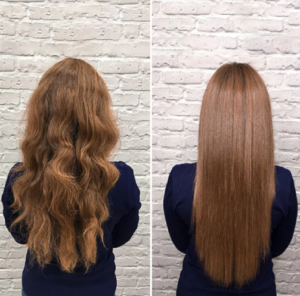
Frizz happens when hair’s outer layer, the cuticle, is raised rather than lying flat — this lets moisture from the air in, causing strands to swell and separate into that familiar puffy, uneven texture. While some frizz is simply a matter of hair type, most day-to-day frizz is manageable with the right routine and techniques.
If you’ve been searching for how to get rid of frizzy hair, here are 10 proven anti frizz tips that address the problem from multiple angles — product, technique, and daily habits.
What Causes Frizz in the First Place
- Dryness. Hair lacking moisture is more prone to seeking it from the air, leading to swelling and frizz.
- Humidity. Moisture in the air disrupts the hydrogen bonds holding a style in place, causing hair to expand and frizz.
- Damage. Heat styling, chemical treatments, and mechanical stress (like rough towel-drying) can roughen the hair cuticle, making frizz more likely.
- Hair type. Curly and wavy hair types are naturally more prone to frizz due to the shape of the hair shaft, though straight hair can frizz too, especially when dry or damaged.
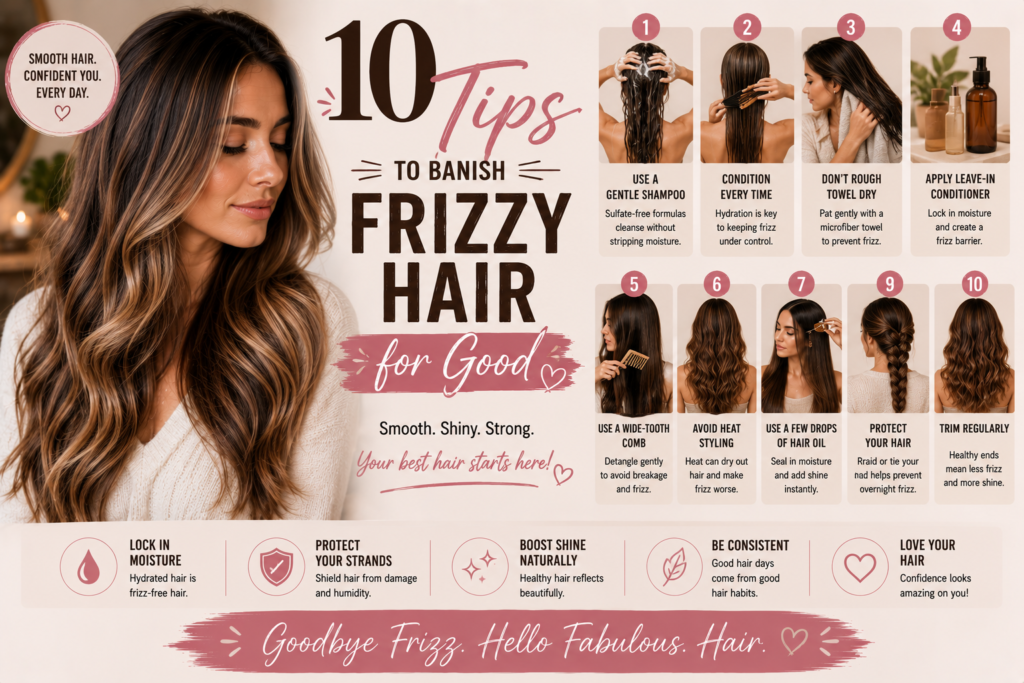
10 Proven Tips for Frizz Control
1. Use a Sulfate-Free Shampoo
Sulfates can strip natural oils from hair, leaving it drier and more prone to frizz. A gentler, sulfate-free formula helps retain moisture during cleansing.

2. Condition Every Wash (and Consider Co-Washing)
A good conditioner smooths the cuticle and adds moisture back into hair. For very dry or curly hair types, occasionally skipping shampoo in favor of a gentle cleansing conditioner (“co-washing”) can help preserve natural oils further.
3. Apply Products to Damp, Not Dry, Hair
Leave-in conditioners, creams, and serums work best when applied to damp hair, since this is when the cuticle is most receptive to absorbing product and sealing in moisture.
4. Avoid Rough Towel-Drying
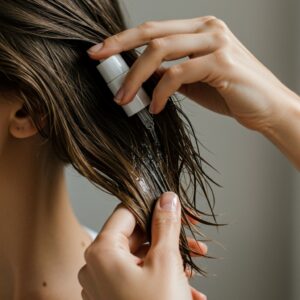
Vigorously rubbing hair with a towel roughs up the cuticle and creates frizz almost immediately. Instead, gently squeeze out excess water or use a microfiber towel or soft T-shirt to blot hair dry.

5. Use a Leave-In Conditioner or Anti-Frizz Serum
A lightweight leave-in product creates a protective barrier that helps prevent hair from absorbing excess moisture from humid air — one of the most effective anti frizz tips for humid climates specifically.
6. Switch to a Microfiber Pillowcase or Silk Pillowcase
Standard cotton pillowcases create friction overnight, which can rough up the cuticle and contribute to frizz by morning. Silk or satin reduces this friction significantly.

7. Deep Condition Weekly
A weekly deep conditioning treatment helps replenish moisture that regular conditioner alone may not fully restore, especially for damaged or chemically treated hair.
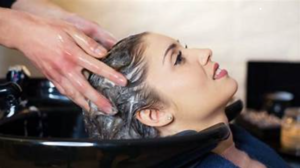
8. Use a Diffuser When Blow-Drying
For curly or wavy hair types, a diffuser attachment helps dry hair without disrupting natural texture, which regular blow-drying (and the resulting cuticle disruption) often causes.
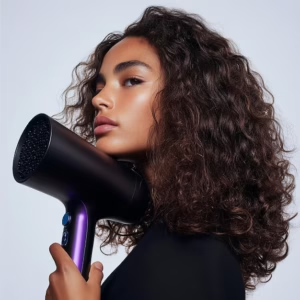
9. Limit Heat Styling and Always Use a Heat Protectant
Repeated heat exposure weakens the hair shaft over time, making frizz more likely. When heat styling is necessary, a heat protectant spray helps minimize damage to the cuticle.
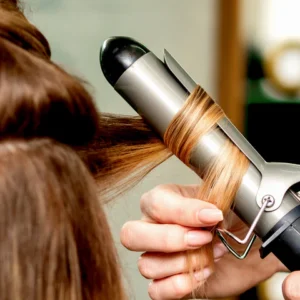
10. Get Regular Trims
Split ends contribute significantly to overall frizzy appearance, since damaged ends fray and separate more easily. Regular trims keep ends healthy and reduce this specific source of frizz.
Anti-Frizz Styling Techniques
- Smooth, don’t brush, dry hair. Brushing dry hair disrupts the cuticle and can create frizz — use a wide-tooth comb or your fingers on damp hair instead.
- Apply oil to the ends only. A small amount of lightweight hair oil on the ends can smooth frizz without weighing down roots or adding greasiness.
- Use the “plopping” method for curly hair. Wrapping damp curls in a T-shirt or microfiber towel and letting them set for a few minutes before diffusing helps enhance natural curl pattern and reduce frizz.
- Avoid over-washing. Washing too frequently can strip natural oils that help keep frizz at bay — many hair types benefit from washing every two to three days rather than daily.
Frizz Control by Hair Type
- Straight hair: Focus on lightweight, hydrating products and avoid heavy oils that can weigh hair down while still causing frizz at the roots.
- Wavy hair: A mix of lightweight leave-in product and gentle scrunching (rather than brushing) tends to control frizz best.
- Curly hair: Rich, moisture-focused products and the “LOC” or “LCO” method (leave-in, oil, cream, in some order) typically provide the most effective frizz control.
- Coily hair: Heavier, deeply moisturizing products and protective styling techniques help combat this hair type’s naturally higher tendency toward dryness and frizz.
Final Thoughts
Frizz is manageable once you understand what’s causing it in your specific case — dryness, humidity, damage, or some combination of all three. By combining the right products with gentler styling techniques, these anti frizz tips can significantly improve how smooth and controlled your hair looks day to day, regardless of your natural texture.
Looking for more hair care guidance? Check out our guides on Heatless Curls: The Overnight Method and our upcoming hair growth guide for more ways to keep your hair healthy.