How to Grow Your Hair Faster: What Actually Works
Evidence-based tips for growing your hair faster and healthier.
Search “how to grow hair faster” and you’ll find no shortage of miracle claims — but the reality is a bit more grounded. Hair grows at a fairly consistent biological rate, and while nothing can dramatically speed up that underlying process overnight, there’s a lot you can do to support healthy growth and prevent the breakage that makes hair seem like it’s not growing at all.
This guide covers what actually works, backed by how hair growth functions biologically, along with practical hair growth tips you can start using right away.
How Hair Growth Actually Works
On average, hair grows about half an inch per month, though this varies by individual, genetics, age, and overall health. Hair growth happens in cycles — a growth phase (anagen), a transitional phase (catagen), and a resting phase (telogen) before the strand eventually sheds and a new one begins growing in its place.
Because the rate of growth itself is largely determined by genetics, most of what actually “helps hair grow faster” really means: minimizing breakage, supporting the health of the follicle, and avoiding things that shorten the growth phase or damage hair before it reaches its full potential length.
What Actually Works for Hair Growth
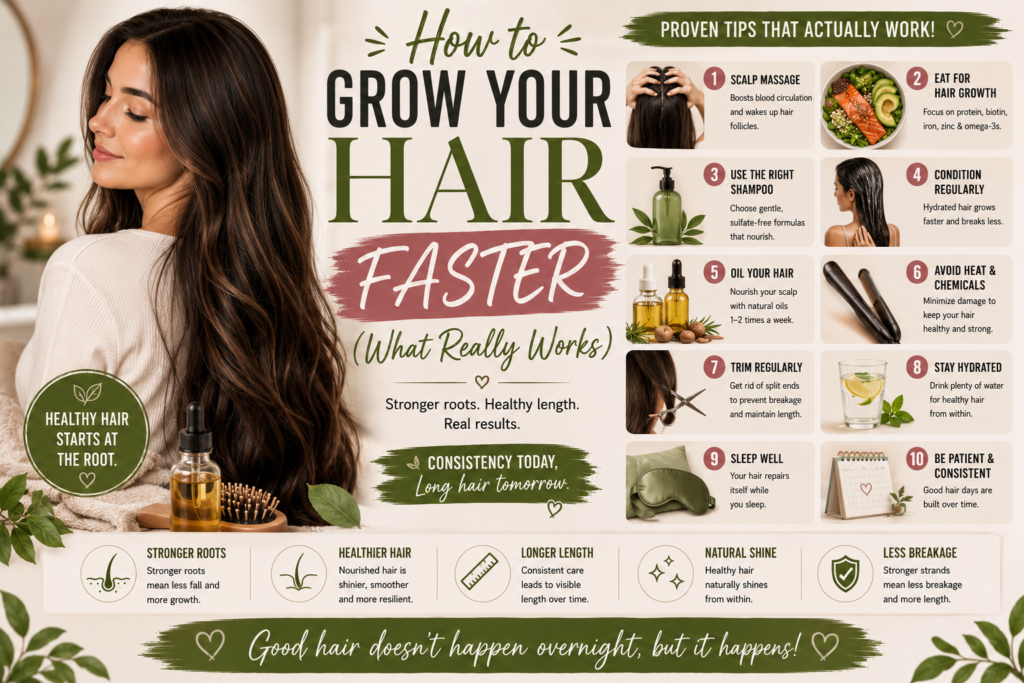
1. Minimize Breakage
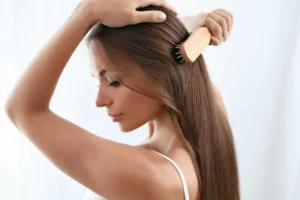
Since hair growth rate is largely fixed, the biggest lever most people can pull is reducing breakage, which makes hair appear to grow faster simply because less length is lost to snapping or split ends.
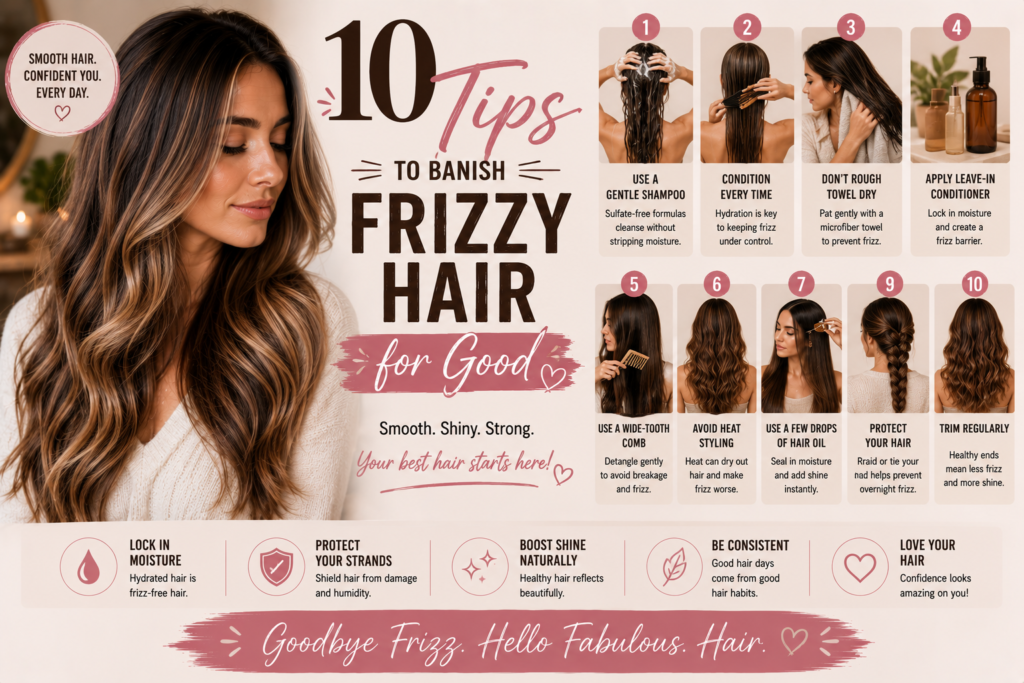
- Use a wide-tooth comb or detangling brush, especially on wet hair.
- Avoid excessive heat styling, or always use a heat protectant.
- Choose looser hairstyles rather than consistently tight, high-tension styles.
2. Get Regular Trims
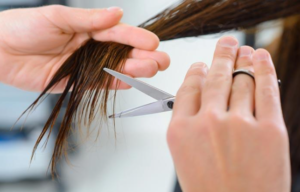
It sounds counterintuitive, but regular trims (every 8-12 weeks) remove split ends before they travel further up the hair shaft, preventing more significant breakage that would otherwise set back your length goals.
3. Support Scalp Health
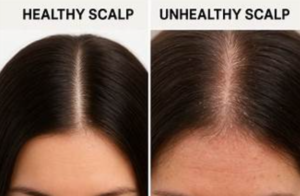
A healthy scalp environment supports healthy follicle function. Gentle scalp massage, keeping the scalp clean, and avoiding excessive product buildup can all contribute to a better growing environment.
4. Prioritize a Balanced Diet
Hair follicles rely on adequate protein, iron, and other nutrients to function properly. Significant nutrient deficiencies can affect hair growth and shedding, so a well-rounded diet supports the biological process from the inside out.
5. Reduce Heat and Chemical Damage
Repeated heat styling and chemical treatments (like bleaching or relaxing) can weaken hair over time, making it more prone to breakage that undermines length retention.
6. Be Gentle When Wet
Hair is more fragile and prone to stretching or snapping when wet. Gently squeezing out water rather than rubbing with a towel, and using a wide-tooth comb rather than a brush on wet hair, both help minimize damage.

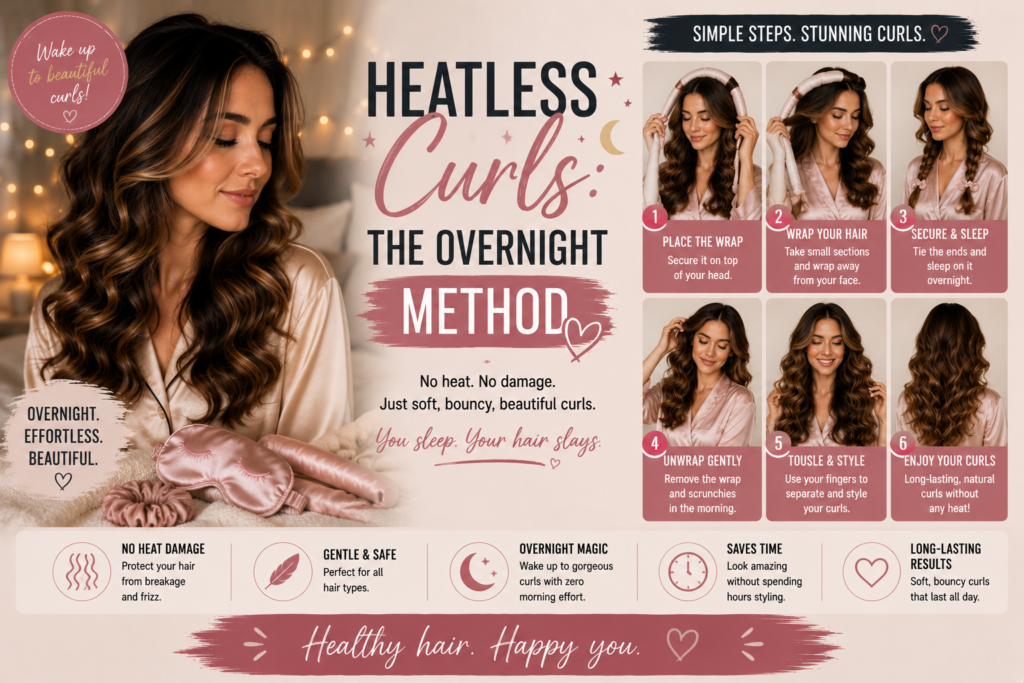
7. Consider Silk or Satin for Sleep
Cotton pillowcases and hair ties can create friction that leads to breakage over time. Silk or satin pillowcases and scrunchies reduce this friction significantly.

8. Manage Stress Where Possible
Significant physical or emotional stress can affect hair growth cycles and contribute to increased shedding. While not always fully within your control, general stress management supports overall hair health.
9. Avoid Overly Tight Hairstyles
Consistent tension from tight ponytails, braids, or buns can lead to a specific type of hair loss called traction alopecia over time, particularly along the hairline. Looser styles reduce this risk.
10. Be Patient and Consistent
Since hair grows at a relatively fixed biological rate, meaningful length changes take months, not days. Consistency with a gentle, breakage-minimizing routine over time delivers far better results than any single product or treatment.
Common Hair Growth Myths
- “Trimming makes hair grow faster.” Trims don’t affect the growth rate at the root — they simply prevent breakage from split ends, which can make hair appear to grow better by retaining more length.
- “Brushing 100 strokes a day helps hair grow.” Excessive brushing can actually cause more breakage and doesn’t have any proven effect on growth rate.
- “Certain shampoos can dramatically speed up growth.” While a healthy scalp environment supports growth, no topical product can override the biological growth rate determined by genetics.
- “Not washing hair helps it grow longer.” Hair growth isn’t affected by wash frequency, though a buildup of product or oil could potentially affect scalp health over time.
When to See a Professional
If you’re experiencing sudden or significant hair loss, noticeable thinning, or bald patches, these can be signs of an underlying issue that goes beyond typical growth and breakage concerns. A dermatologist or trichologist can help identify the cause and recommend appropriate treatment.
Final Thoughts
There’s no shortcut that dramatically speeds up how fast hair grows at the root — but there’s a lot you can do to minimize breakage, support scalp health, and retain as much length as possible along the way. By focusing on these evidence-based hair growth tips rather than chasing miracle products, you’ll set realistic expectations and see steadier, healthier progress over time.
Looking for more hair care guidance? Check out our guides on Heatless Curls: The Overnight Method and 10 Tips to Banish Frizzy Hair for Good for more ways to keep your hair healthy.