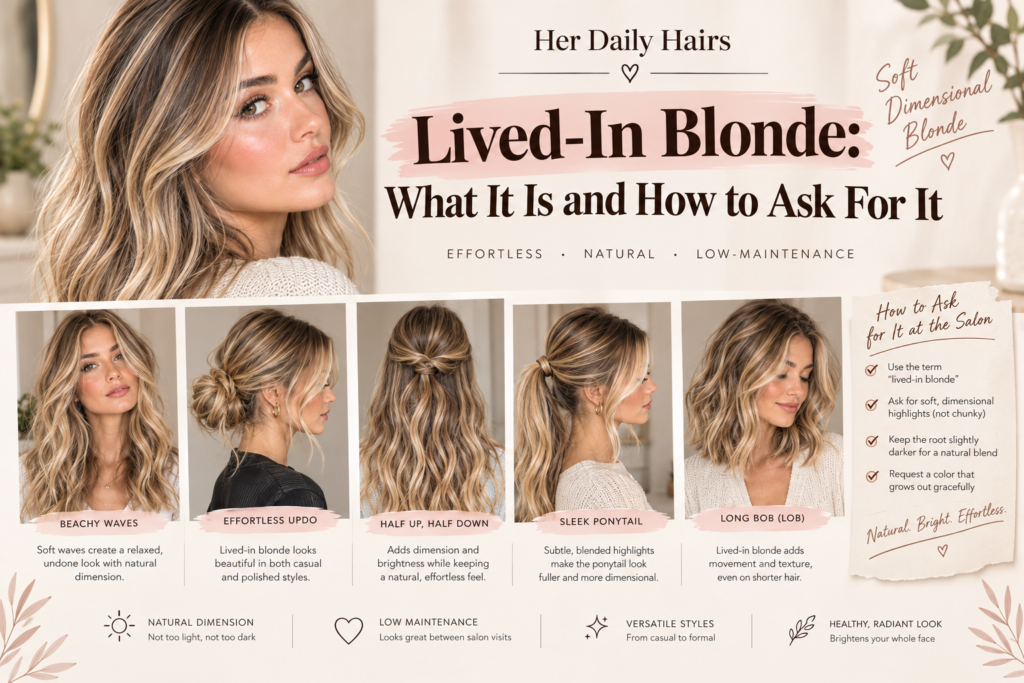
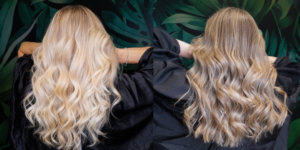
If you’ve been scrolling Pinterest or your salon’s Instagram lately, you’ve probably seen the term everywhere: lived-in blonde hair. Unlike the high-maintenance, bleach-heavy blonde of years past, lived-in blonde is built around one core idea — hair that looks like it lightened naturally over time, not like it was just colored yesterday.
This shift is one of the clearest color trends heading into 2026. Instead of chasing platinum perfection with a hard line at the root, more people are asking for lived-in blonde balayage — a softer, more grown-out-friendly approach that prioritizes low maintenance and natural movement over stark, salon-fresh precision.
Here’s everything you need to know about the lived-in blonde trend, including what actually makes it different from regular highlights, how to describe it to your stylist, and what to expect in terms of maintenance and cost.
What Is Lived-In Blonde Hair?
Lived-in blonde refers to a blonde coloring approach that deliberately builds in softness and gradual transition rather than uniform, all-over lightness. Instead of bleaching hair to one consistent shade from root to tip, lived-in blonde typically includes:
- A darker, softer root that blends gradually into lighter lengths, rather than a hard line of demarcation
- Varied tones throughout, mimicking the natural way hair lightens unevenly from sun exposure
- A slightly warmer, more dimensional finish, rather than one flat, cool-toned blonde
- Face-framing pieces that are often left a touch brighter for extra glow
The overall effect is meant to look like hair that’s simply “lived in” — as if you spent a summer outside rather than several hours in a salon chair.
Lived-In Blonde vs. Traditional Highlights
It’s easy to confuse lived-in blonde with regular highlights, but there are a few key differences:
| Lived-In Blonde | Traditional Highlights | |
|---|---|---|
| Root treatment | Soft, blended shadow root | Often bleached closer to the root |
| Regrowth visibility | Minimal — blends naturally | More visible, especially at part line |
| Touch-up frequency | Every 3-4 months | Every 6-8 weeks |
| Overall tone | Warmer, more dimensional | Can be flatter or more uniform |
| Technique | Usually balayage or hand-painted foilyage | Often traditional foils |
This is exactly why lived-in blonde has become so popular — it delivers a blonde look without demanding the constant salon upkeep that traditional highlights require.
Why Lived-In Blonde Is Trending
A few forces are driving this shift in color preferences:
- Maintenance fatigue. After years of high-contrast, high-commitment blonde trends, more people are prioritizing color that grows out gracefully over color that needs monthly touch-ups.
- A broader shift toward “your hair, but better.” Rather than transformation-heavy color changes, current trend data shows increasing demand for enhancement-based color that still looks like a natural evolution of someone’s base shade.
- Cost consciousness. Fewer required salon visits per year makes lived-in blonde a more budget-friendly long-term option compared to color requiring frequent, all-over lightening.
- Hair health concerns. Because lived-in blonde relies less on repeated bleach applications close to the root, it tends to be gentler on hair health over time compared to constant re-lightening.
How to Ask Your Stylist for Lived-In Blonde
Because “lived-in” can mean different things salon to salon, being specific in your consultation makes a big difference:
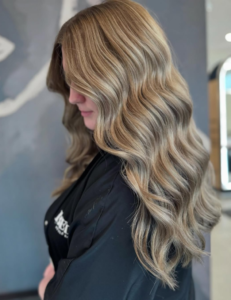
Bring Reference Photos
Since this look is highly dependent on placement and tone, showing your stylist a few reference photos of the exact softness and root depth you want helps avoid miscommunication.
Mention Your Starting Point
Let your stylist know your natural or current color, since the path to lived-in blonde looks different depending on whether you’re starting from a natural brunette base, previously highlighted hair, or hair that’s already been fully bleached blonde.
Specify Your Root Preference
Some people want a very soft, barely-there root transition, while others prefer a bit more contrast between the root and the lightened lengths. Being clear about this helps your stylist choose the right balayage or foilyage placement.
Ask About a Toning Plan
Blonde tones can shift warm or brassy over time, especially without proper toning. Ask your stylist what toning schedule they recommend to keep your lived-in blonde looking fresh between full color appointments.
What to Expect: Time, Cost, and Maintenance
Lived-in blonde is typically achieved through balayage, foilyage, or a combination of the two, and the process can take anywhere from two to four hours depending on your starting color and how much lightening is needed. Because the technique is more time-intensive than a traditional single-process color, the initial appointment often costs more — but the payoff comes in fewer follow-up visits.
Most people can expect to go 10-16 weeks between full color appointments, compared to the 6-8 week cycle often required for traditional all-over blonde highlights. In between, a gloss or toning treatment every 6-8 weeks helps refresh the color and keep any warmth or brassiness in check without requiring a full lightening service.
Tips for Maintaining Lived-In Blonde Between Appointments
- Use a purple or blue-toned shampoo once or twice a week to counteract brassiness, especially if your natural base tends to pull warm.
- Invest in a bond-building treatment. Since lightened hair is more prone to breakage, a weekly bond repair or deep-conditioning treatment helps maintain strength and shine.
- Protect your color from heat and sun. UV exposure and heat styling can both cause blonde tones to shift or fade faster than expected — a UV-protecting spray and heat protectant go a long way.
- Space out washes when possible. Blonde, lightened hair tends to fade faster with frequent washing; dry shampoo between washes can help extend the time between color-fading shampoo sessions.
Choosing the Right Lived-In Blonde Tone for You
Not all lived-in blonde looks the same — the right tone depends on your natural base color and skin undertone:
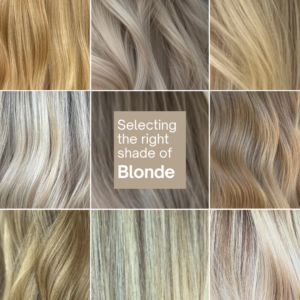
- Warm undertones tend to suit honey, caramel, or golden-toned lived-in blonde, since these shades complement warmer skin without looking washed out.
- Cool undertones generally look best with ash or beige-toned lived-in blonde, which avoids brassiness and keeps the overall effect looking soft rather than golden.
- Deeper natural bases (dark brown to black) often look most natural with a lived-in blonde that stays closer to a caramel or bronde tone, since jumping straight to pale, icy blonde can require more lightening sessions and create a more obvious contrast at the root.
- Lighter natural bases (light brown to dark blonde) tend to reach a lived-in blonde result faster, often in a single appointment, since less lifting is required.
If you’re unsure which direction to go, bringing a few reference photos in different tones to your consultation can help your stylist gauge which direction complements your skin tone and current hair color best.
How Lived-In Blonde Differs by Hair Length
The lived-in blonde effect can look slightly different depending on your hair length:
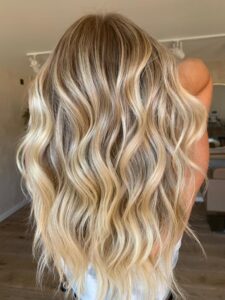
- Long hair tends to show off the gradual, sun-kissed transition most dramatically, since there’s more length for the color to blend and lighten toward the ends.
- Medium-length hair often looks especially natural with this technique, since the root-to-end transition happens over a shorter space, making the blend look even more seamless.
- Shorter hair (bob-length and above) can still achieve a lived-in blonde look, though the technique may focus more heavily on face-framing pieces and subtle dimension throughout, since there’s less length to work with for a dramatic root-to-end gradient.
Frequently Asked Questions About Lived-In Blonde Hair
Is lived-in blonde the same as balayage? Not exactly — balayage is a hand-painting technique, while “lived-in blonde” describes the overall look and effect. Balayage is often the technique used to achieve a lived-in blonde result, but foilyage and other methods can create a similar effect depending on your hair’s starting point.
Can lived-in blonde work on dark hair? Yes, though it may take more than one appointment to lift dark hair to the desired lightness while keeping the hair healthy. Many colorists recommend a gradual approach — lightening in stages over a couple of visits — rather than trying to achieve full lived-in blonde in a single session on very dark hair.
Does lived-in blonde require less maintenance than platinum blonde? Generally, yes. Platinum blonde requires very frequent root touch-ups to maintain an even, all-over lightness, while lived-in blonde is specifically designed to blend the root and grow out with far less visible regrowth.
How do I keep lived-in blonde from turning brassy? Regular use of a purple or blue-toning shampoo, along with scheduled toning appointments every 6-8 weeks, is the most effective way to keep warm or yellow tones from developing between full color sessions.
Is lived-in blonde a good option for first-time colorists? Yes — because it typically starts with a more conservative amount of lightening and builds gradually, lived-in blonde is often recommended by colorists for clients who are new to blonde hair or want to test the waters before committing to a more dramatic transformation.
How much does lived-in blonde typically cost compared to traditional highlights? Initial appointments tend to cost more than a standard single-process color due to the time and technique involved, but because touch-ups are needed less frequently, many people find the overall annual cost comparable to or lower than maintaining traditional highlights on a 6-8 week cycle.
Final Thoughts
Lived-in blonde represents a broader shift in how people are approaching hair color heading into 2026 — less about chasing a perfectly uniform, high-maintenance blonde, and more about soft, natural-looking dimension that grows out gracefully. If you’re tired of frequent root touch-ups but still want the brightness of blonde, this is one of the most practical, low-maintenance ways to get there.
Loved this guide? Save it to Pinterest so you have it ready for your next color consultation.
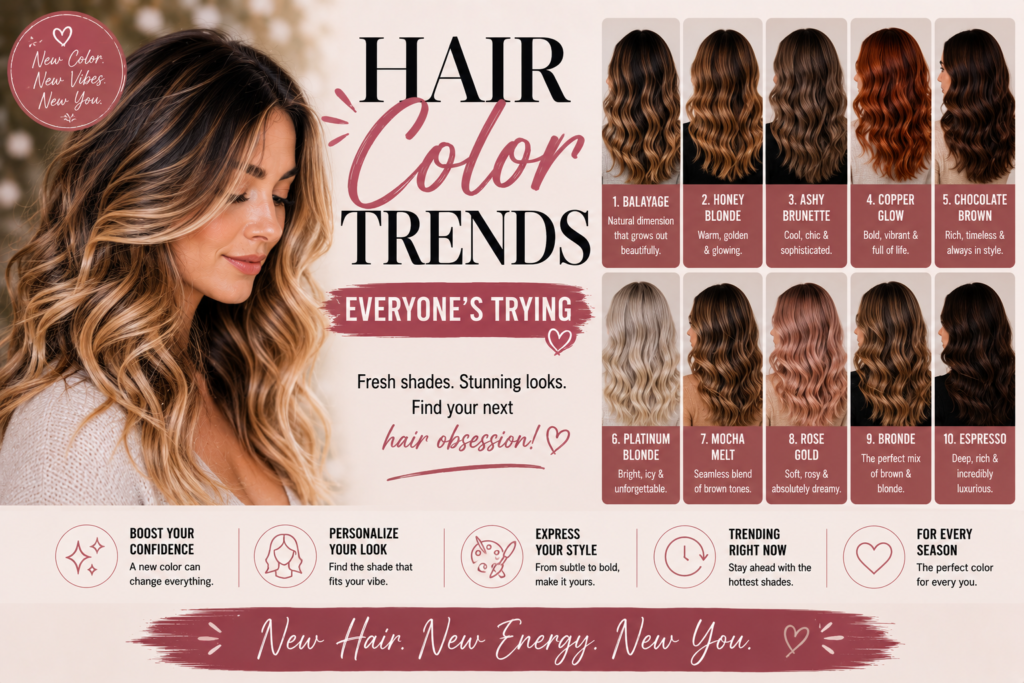
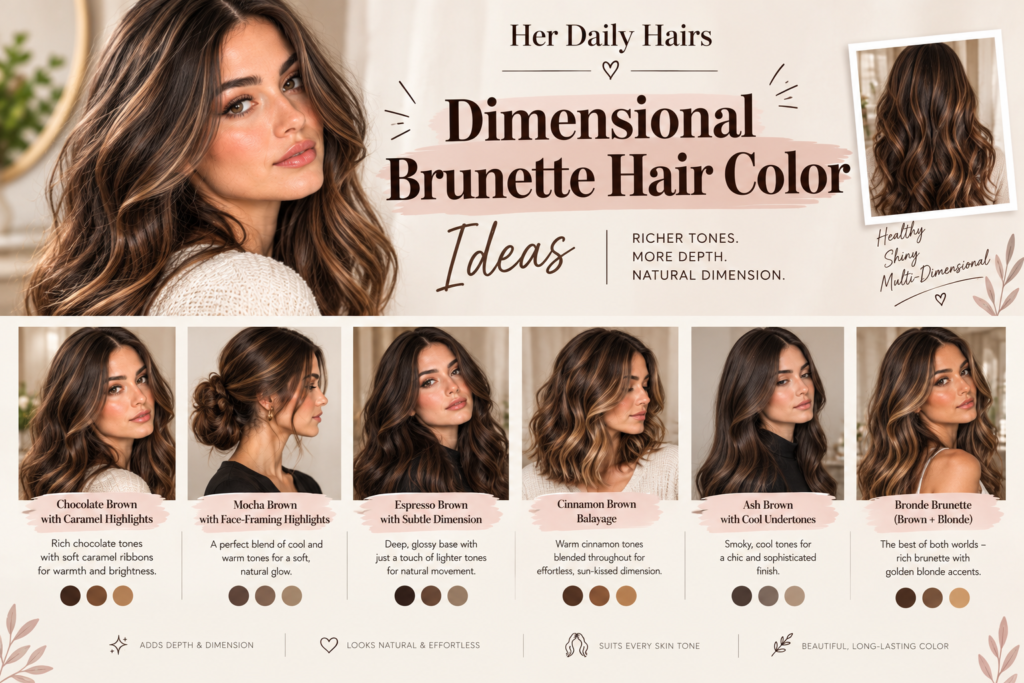
Looking for more hair color inspiration? Check out our guides on 2026 Hair Color Trends: What’s In This Year and Dimensional Brunette Hair Color Ideas for 2026 for more shades to consider.