Copper is having a real moment heading into 2026, and it’s not hard to see why. Unlike blonde or brunette, which can sometimes feel like “safe” defaults, copper hair color ideas bring an instant warmth and personality that few other shades can match. Trend forecasters have flagged copper as one of the year’s rising “foundational statement colors” — meaning it’s no longer just a seasonal accent shade, but a full-commitment color choice people are building their entire look around.
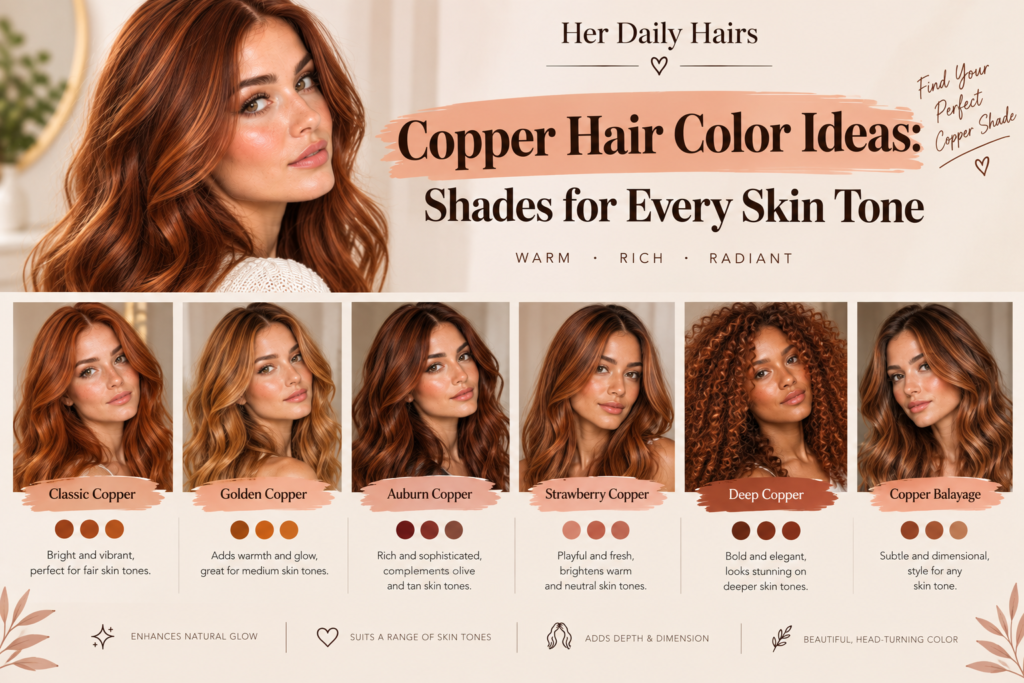
The best part about copper is just how customizable it is. Because there’s such a wide range within the copper family — from deep, muted auburn to bright, rose-gold copper — there’s genuinely a version that flatters copper hair for every skin tone, not just a select few. Below, we’re breaking down the best copper shades organized by undertone, so you can find the version that’s most likely to actually suit you rather than guessing from a single reference photo.
Why Copper Is Trending
A few things are driving copper’s rise as a go-to color choice:
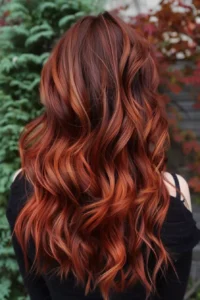
- It’s warm without being as high-maintenance as red. True red hair color tends to fade quickly and require frequent refreshing. Copper, especially in its more muted forms, holds its warmth a bit longer and fades more gracefully.
- It photographs beautifully. Copper catches light in a way flat brunette or blonde often doesn’t, making it a favorite for anyone building out a Pinterest-worthy hair aesthetic.
- It works across a wide range of skin tones. With the right shade selection, copper flatters far more undertones than people often assume, which has made it a go-to recommendation for colorists this year.
- It pairs well with dimensional techniques. Copper isn’t limited to a flat, single-process application — it works beautifully with balayage, babylights, and lowlights for a more dimensional, lived-in effect.
How to Find Your Skin Undertone (Quick Guide)
Before picking a copper shade, it helps to know your undertone:
- Warm undertones — skin that leans golden, peachy, or olive; veins on the wrist tend to look more green than blue.
- Cool undertones — skin that leans pink, red, or rosy; veins tend to look more blue or purple.
- Neutral undertones — a balance of both, with veins that appear somewhere between blue and green, and skin that doesn’t lean strongly warm or cool.
If you’re still unsure, the classic jewelry test can help: if gold jewelry tends to look more flattering against your skin than silver, you likely lean warm; if the reverse is true, you likely lean cool.
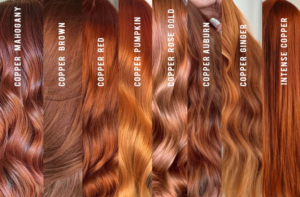
Copper Shades for Warm Undertones
1. Bright Copper
A bold, vivid copper that leans fully into orange-red territory. This high-impact shade works beautifully on warm undertones, since it complements golden or peachy skin rather than competing with it.
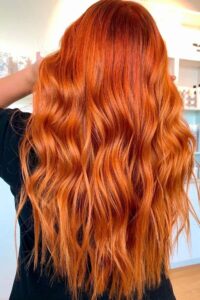
2. Golden Copper
A slightly softer, more golden take on copper that blends warmth with brightness. This shade tends to look especially natural on warm skin tones with a lot of yellow or gold in their complexion.
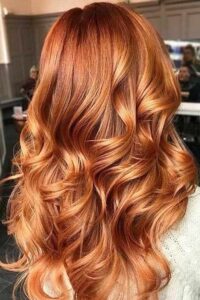
3. Cinnamon Copper
A deeper, spicier copper with brown undertones mixed in. This is a great option for anyone who wants the warmth of copper without going as bright or bold as a full vivid copper shade.
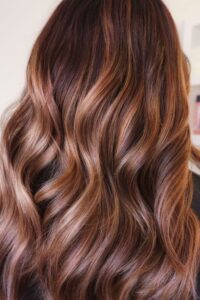
4. Amber Copper
A rich, honey-toned copper that leans warmer and slightly darker than golden copper. This shade works particularly well on medium to deep warm skin tones, adding richness without looking overly bright.
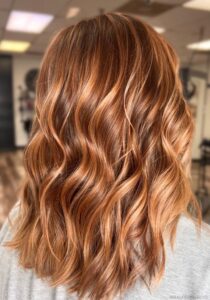
5. Copper Balayage on a Brunette Base
Rather than a full copper color change, this technique adds copper-toned highlights throughout a brunette base, giving warm-toned brunettes a way to incorporate the trend without a dramatic shift.
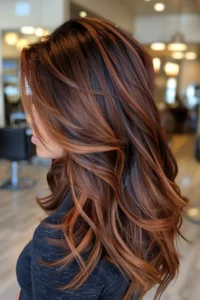
Copper Shades for Cool Undertones
6. Rose Gold Copper
A softer, pink-tinted copper that leans cooler than traditional copper shades. This is one of the most popular options for cool undertones, since the pink undertone in the color complements rosy or pink-leaning skin.
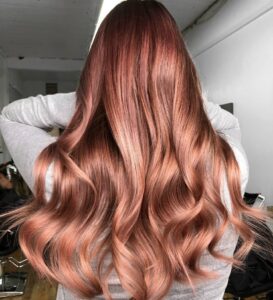
7. Auburn Copper
A deeper, more muted copper with red-brown undertones rather than bright orange. Auburn copper tends to be one of the most universally flattering shades on this list, and it works especially well for cool undertones since it avoids overly warm, golden tones.
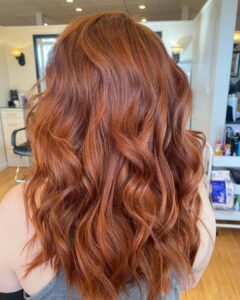
8. Cherry Copper
A slightly more vivid, red-leaning copper with cooler pink undertones woven throughout. This shade works well for anyone wanting a bolder look while still keeping the overall tone cool rather than golden.
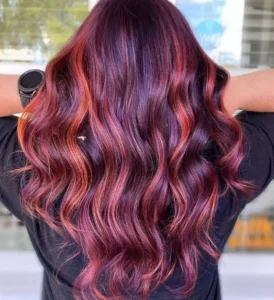
9. Ash Copper
A muted, slightly smoky copper that tones down the brightness typically associated with copper shades. This is a strong option for cool undertones who want the warmth of copper without it reading as overly vibrant or orange.
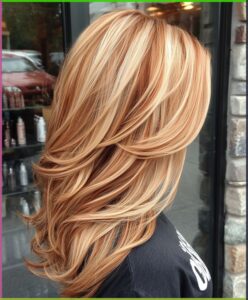
10. Copper with Cool Lowlights
Adding cooler, ash-toned lowlights throughout a copper base helps balance the warmth of the color, creating a more dimensional result that suits cool undertones particularly well.
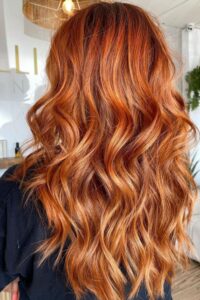
Copper Shades for Neutral Undertones
11. Classic Copper
A balanced, medium-intensity copper that isn’t too golden or too pink, making it one of the safest, most versatile choices for neutral undertones.
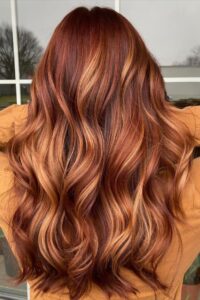
12. Copper Balayage
A hand-painted, dimensional take on copper that blends multiple tones throughout the hair rather than committing to one flat shade. This flexibility makes it easy to lean slightly warmer or cooler depending on personal preference.
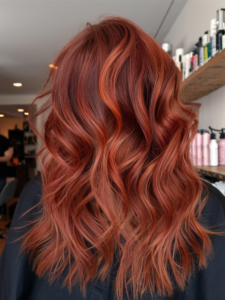
13. Burnt Copper
A deeper, more subdued copper with hints of brown mixed in, offering warmth without excessive brightness. This shade tends to suit neutral undertones especially well since it doesn’t lean strongly in either direction.
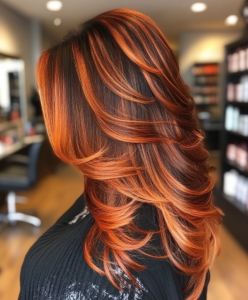
14. Copper with Face-Framing Highlights
Rather than a full head of copper, this version concentrates brighter copper tones around the face, offering a more subtle way to try the trend while still getting the brightening effect near the complexion.
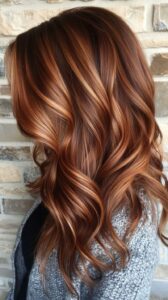
15. Sunset Copper
A multi-tonal blend of golden, red, and slightly pink copper shades woven throughout the hair, creating a warm, sunset-like gradient effect that works well across a range of neutral undertones.
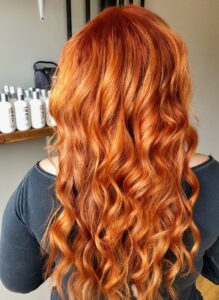
How to Maintain Copper Hair Color
Copper is a beautiful but fade-prone color family, so a few maintenance habits go a long way:
- Use color-safe, sulfate-free shampoo. Sulfates strip color faster, and copper tones in particular are prone to fading quickly without gentle products.
- Wash less frequently. Copper fades with every wash, so stretching time between washes (with the help of dry shampoo) helps preserve vibrancy longer.
- Use cool water when rinsing. Hot water opens the hair cuticle and accelerates color fading; rinsing with cooler water helps seal it in.
- Refresh with a color-depositing conditioner. Between full color appointments, a copper- or red-toned conditioning treatment helps maintain vibrancy and stave off the day when your color starts to look dull or brassy in the wrong direction.
- Protect hair from UV exposure. Sun exposure can fade copper tones especially quickly, so a UV-protecting hair spray is worth adding to your routine if you spend a lot of time outdoors.
Pairing Copper with Your Eye Color
Beyond skin tone, eye color can also influence which copper shade looks most striking:
- Green or hazel eyes tend to be enhanced by warmer copper shades like golden copper or amber copper, since the warmth in the hair color helps bring out gold or green flecks in the eyes.
- Brown eyes pair well with almost the entire copper family, but especially rich, deep shades like auburn or burnt copper, which create a warm, cohesive overall look.
- Blue eyes often look particularly striking against cooler copper shades like rose gold or ash copper, since the contrast between warm hair and cool eyes creates a noticeable, eye-catching effect.
This isn’t a hard rule — skin tone should still be your primary guide — but it’s a useful secondary consideration if you’re torn between two shades that both suit your undertone.
How to Test a Copper Shade Before Committing
If you’re not ready to fully commit to a permanent copper color change, there are a few lower-risk ways to try the trend first:
- Semi-permanent color or gloss. These wash out over several weeks, giving you a good sense of how a shade looks and how it fades before committing to a permanent formula.
- Copper-toned extensions or clip-ins. A great option for testing a bold, vivid copper shade without any commitment at all.
- Balayage or highlights only. Adding copper tones through highlights rather than an all-over color lets you ease into the trend and see how it looks against your skin before going further.
Frequently Asked Questions About Copper Hair Color
Does copper hair color fade faster than other shades? Yes, generally. Red and copper tones have larger color molecules that wash out more quickly than cooler or more muted shades, which is why frequent maintenance (color-depositing conditioners, less frequent washing) is especially important for this color family.
Can copper hair color work on dark hair? Yes, though dark hair typically needs to be lightened first to allow the copper tone to show up vibrantly. Deeper copper shades like auburn or burnt copper require less lightening than bright, vivid copper tones.
What’s the difference between copper and auburn? Copper generally leans more orange and vibrant, while auburn leans more red-brown and muted. Both fall within the same general color family, but auburn tends to look more natural, while copper reads as a more deliberate, statement color choice.
How often do I need to touch up copper hair color? Because copper fades quickly, most people need a root touch-up every 4-6 weeks to maintain vibrancy, along with more frequent gloss or color-depositing treatments between full appointments compared to cooler, more stable color families.
Will copper hair color look orange on my skin? This mostly comes down to shade selection rather than copper as a whole. Choosing a copper tone that aligns with your undertone — warmer golden coppers for warm undertones, cooler rose gold or ash coppers for cool undertones — significantly reduces the risk of the color clashing or reading as overly orange against your skin.
Can I go from blonde to copper without damaging my hair? Yes, though the transition is generally easier on hair than going from blonde to a dark shade, since copper is a deposit-only or low-lift color rather than requiring further lightening. Adding a copper gloss or semi-permanent color directly over blonde hair is one of the gentlest ways to make the switch.
Final Thoughts
Copper hair color proves that a bold, statement shade doesn’t have to mean sacrificing flattery for trendiness. With so many variations within the copper family — from bright and vivid to deep and muted — there’s a version suited to nearly every skin tone and comfort level. Whether you’re ready for a full copper transformation or just want to test the trend with balayage or face-framing pieces, this color family is worth the (slightly higher) maintenance it asks for in return.
Loved these ideas? Save your favorite copper hair color shades to Pinterest so you have them ready for your next salon visit.
Looking for more hair color inspiration? Check out our guides on 2026 Hair Color Trends: What’s In This Year and Lived-In Blonde: What It Is and How to Ask For It for more shades to consider.