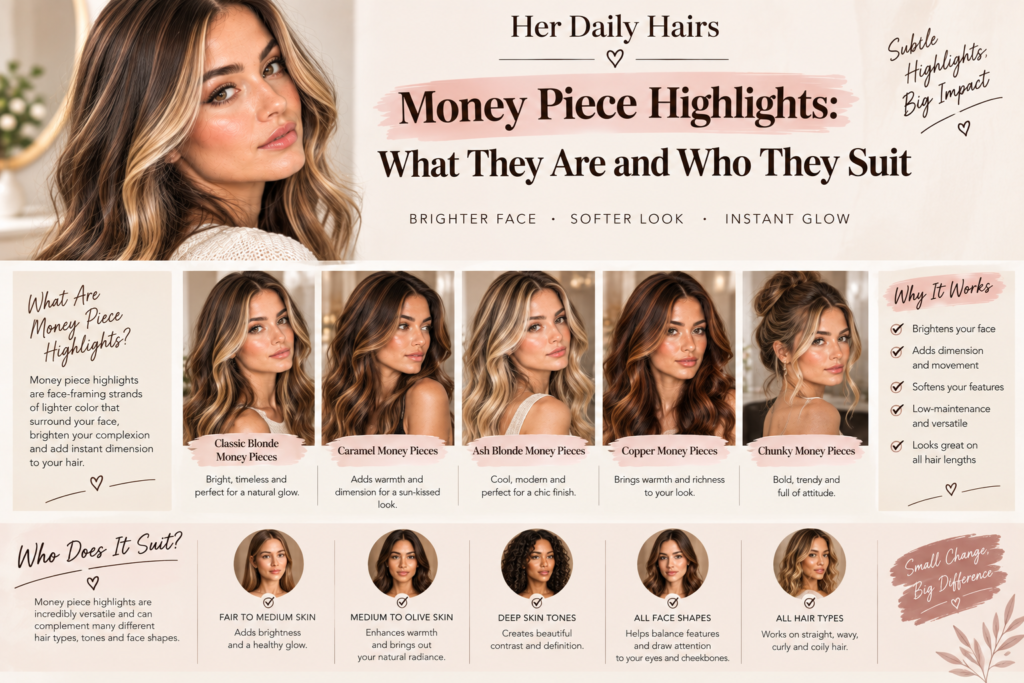
If you’ve spent any time browsing hair inspiration lately, you’ve probably come across the term money piece highlights — a small, concentrated section of brighter color placed right at the front of the face. Unlike a full head of highlights, a money piece is a low-commitment, high-impact way to add brightness exactly where it’s most noticeable, without touching the rest of your natural or colored hair.
This technique has remained one of the most consistently requested highlight styles year after year, and for good reason. Money piece hair delivers a brightening, face-framing effect with far less time, cost, and maintenance than a full-head color service — making it one of the most practical entry points into highlighting for people who want a noticeable change without a major commitment.
Here’s a full breakdown of what money piece highlights actually are, what they cost, who they tend to flatter most, and how to ask your stylist for the version that’s right for you.
What Are Money Piece Highlights?
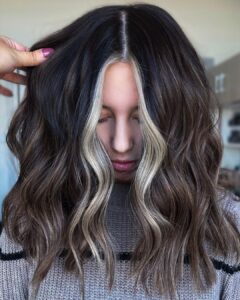
A money piece refers to a section of highlighted hair placed at the front of the face, typically framing one or both sides depending on your part. The term comes from the idea that this small section delivers a big visual “return” — a noticeable brightening effect from just a small, targeted area of color.
Key characteristics of a money piece include:
- Concentrated placement — usually two to four face-framing pieces rather than highlights throughout the whole head
- Higher contrast — money piece highlights are often lifted several shades lighter than the rest of the hair for maximum visual impact
- Minimal blending required elsewhere — since the rest of the hair stays in its natural or current color, there’s no need to touch up the whole head
- Quick application — because only a small section is being highlighted, the service typically takes less time than a full head of highlights or balayage
Why Money Piece Highlights Remain So Popular
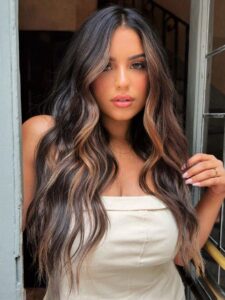
Unlike more seasonal color trends, money piece highlights have stayed in steady demand for a simple reason: they solve a specific problem well.
- Low commitment, high visual impact. For anyone hesitant about a full color change, a money piece delivers noticeable brightness without committing the entire head to lighter hair.
- Budget-friendly. Because only a small section is highlighted, the service is typically less expensive and quicker than full highlights or balayage.
- Low maintenance. With fewer highlighted pieces overall, regrowth is far less noticeable than it would be with all-over highlights, meaning fewer required touch-up appointments.
- Works with almost any hair color. Since it’s a placement technique rather than a specific shade, money piece highlights can be customized to any base color, from platinum blonde to jet black.
Who Do Money Piece Highlights Flatter Most?
While money piece highlights are fairly universal, a few factors influence how well they work for a given person:
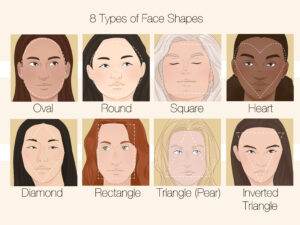
Face Shape
Because the highlights frame the face directly, they tend to draw attention toward the cheekbones and jawline. This makes them a popular choice for softening angular face shapes or adding dimension to rounder faces, since the brightness naturally creates a subtle contouring effect.
Hair Part
A money piece is most effective when paired with a side part or deep side part, since a middle part can sometimes make the highlighted pieces look less intentional or slightly uneven. If you typically wear a middle part, your stylist can adjust placement to keep the effect balanced on both sides.

Base Hair Color
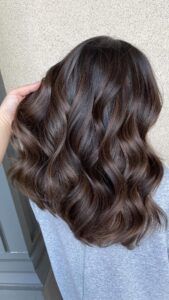
Money piece highlights tend to show up most dramatically against darker base colors, like brunette or black hair, where the contrast between the natural color and the lightened pieces is most visible. On lighter bases, the effect is more subtle but can still add noticeable brightness and dimension.
Lifestyle and Maintenance Preference
This technique is particularly well-suited to people who want visible color change without frequent salon visits, since the smaller highlighted area grows out far more gracefully than a full head of color.
How Much Do Money Piece Highlights Cost?
Because money piece highlights only require a small section of hair to be processed, they’re generally one of the more affordable highlighting options available. Exact pricing varies by salon and location, but as a general guide, money piece highlights tend to cost noticeably less than full balayage or all-over foils, since the appointment requires less product, less time, and less overall labor. Many salons offer money piece highlights as a standalone add-on service, making it easy to incorporate into a haircut appointment without booking a separate, longer color session.
How to Ask Your Stylist for Money Piece Highlights
- Specify how bold you want the contrast. Some people prefer a subtle, barely-there lift, while others want a dramatic, platinum-level brightness against a dark base — being clear about this helps your stylist choose the right lightening approach.
- Mention your part. Let your stylist know whether you wear a side part, deep side part, or middle part, so they can adjust placement for the most flattering, balanced result.
- Ask about toning. Depending on your base color, your stylist may recommend a specific toner to keep the highlighted pieces from turning brassy or yellow over time.
- Discuss upkeep expectations. If you’re drawn to this technique specifically for its low maintenance, let your stylist know so they can adjust the placement and lightness to maximize how long the look stays fresh.
Maintaining Money Piece Highlights
- Use a purple or blue-toned shampoo occasionally if your money piece is a cool-toned blonde, to keep brassiness at bay between salon visits.
- Apply a bond-repairing treatment to the highlighted section specifically, since concentrated lightening can leave that piece more porous and prone to breakage than the rest of your hair.
- Touch up every 8-12 weeks for most people, though this varies depending on how much natural regrowth is visible and how much contrast you’re comfortable with.
- Protect the highlighted section from heat, since lightened hair is generally more fragile and prone to damage from repeated heat styling.
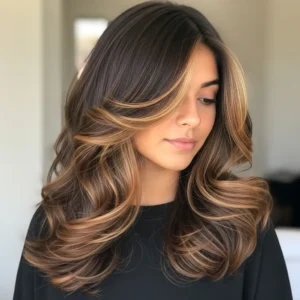
Money Piece vs. Full Highlights vs. Balayage
It’s worth understanding how a money piece compares to other common highlighting techniques before deciding which one fits your goals:
| Money Piece | Full Highlights | Balayage | |
|---|---|---|---|
| Coverage | 2-4 face-framing pieces | Highlights throughout the head | Hand-painted, often throughout |
| Time in chair | Shortest | Longest | Moderate to long |
| Cost | Lowest | Highest | Moderate to high |
| Maintenance | Every 8-12 weeks | Every 6-8 weeks | Every 10-16 weeks |
| Best for | Low-commitment brightness | Dramatic, all-over change | Natural, dimensional look |
This comparison is a useful starting point if you’re unsure whether a money piece alone will give you the effect you’re after, or whether you’d prefer to combine it with a broader highlighting technique down the line.
A Quick Note on Money Piece History
While the technique has become especially popular in recent years thanks to social media, face-framing highlights themselves are far from new — colorists have used concentrated, brightening pieces around the face for decades. What’s changed is the terminology and the level of intentional, high-contrast styling behind it, turning what used to be a subtle blending technique into a defined, requestable service with its own name and expectations.
Frequently Asked Questions About Money Piece Highlights
How is a money piece different from face-framing highlights? The terms are often used interchangeably, though “money piece” typically refers to a more concentrated, higher-contrast version, while “face-framing highlights” can sometimes describe a slightly softer, more blended approach.
Do money piece highlights work on short hair? Yes — in fact, money piece highlights can look especially striking on shorter cuts like bobs or lobs, since the face-framing pieces are more visible and prominent with less overall hair length.
Can I get a money piece without lightening the rest of my hair? Yes, that’s actually the defining feature of this technique — money piece highlights are specifically designed to brighten just the front section while leaving the rest of your natural or current color untouched.
Will a money piece look uneven if I switch up my part? It can look slightly less symmetrical if you dramatically change your part after getting money piece highlights placed for a specific style. If you frequently switch between a middle and side part, mention this to your stylist so they can place highlights that work reasonably well across a few part variations.
Can I combine a money piece with other highlighting techniques later? Yes — many people start with a money piece and later add balayage or additional highlights throughout the rest of the hair once they’re ready for a bigger commitment. Because the money piece is already lightened, your stylist can typically blend it into a broader highlighting service fairly seamlessly.
Final Thoughts
Money piece highlights have earned their staying power by solving a real problem: how to add noticeable brightness and dimension without the time, cost, or maintenance of a full head of color. Whether you’re testing out highlights for the first time or simply want a low-commitment way to brighten your look, this technique remains one of the most practical, flattering, and budget-friendly options available in any colorist’s toolkit.
Loved this guide? Save it to Pinterest so you have it ready for your next color consultation.
Looking for more hair color inspiration? Check out our guides on Lived-In Blonde: What It Is and How to Ask For It and Copper Hair Color Ideas: Shades for Every Skin Tone for more ways to add dimension to your color.