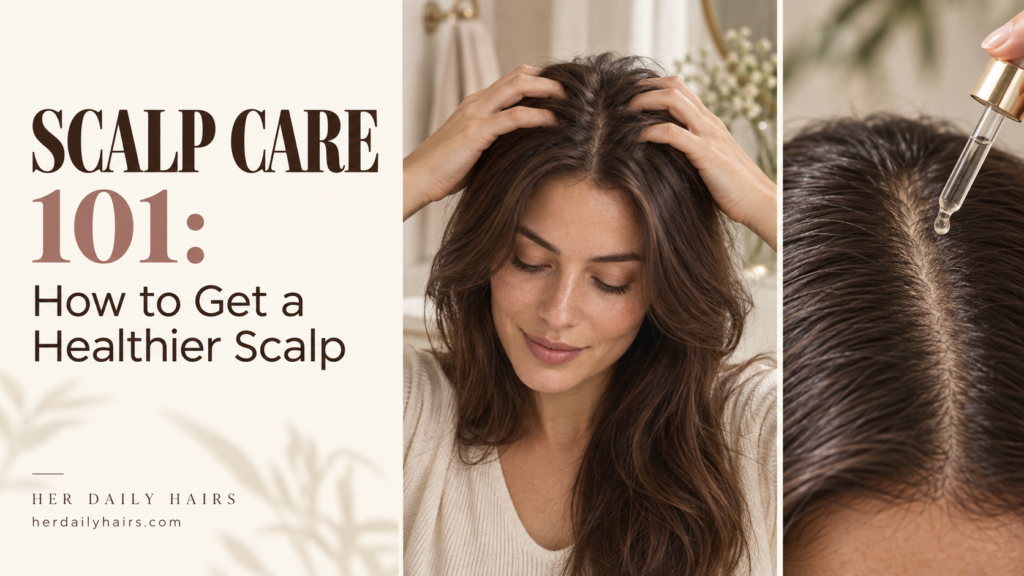
For years, hair care conversations focused almost entirely on the hair itself — but there’s been a real shift toward recognizing that healthy hair actually starts at the scalp. Good scalp care tips aren’t just a wellness trend; they address the literal foundation your hair grows from, which means neglecting your scalp can undermine even the best hair care routine built around your strands alone.
Building a healthy scalp routine doesn’t require an overwhelming number of products or steps. This guide breaks down exactly what scalp care actually involves, how to figure out what your scalp needs, and a simple, beginner-friendly routine you can start building right away.
Why Scalp Health Matters So Much
Your scalp is skin, and just like the skin on the rest of your body, it needs proper care to function well. A few reasons this matters specifically for your hair:
- Hair grows from scalp follicles. An unhealthy scalp environment — whether that’s excess oil, buildup, or inflammation — can affect how well hair grows and how strong it is once it does.
- Buildup can weigh hair down and cause irritation. Product residue, dead skin cells, and excess oil that aren’t properly removed can clog follicles and lead to itchiness or flaking over time.
- A balanced scalp supports overall hair health. Just as skincare focuses on balance rather than stripping the skin completely, scalp care aims for the same — not too oily, not too dry, and free of excess buildup.
Signs Your Scalp Might Need More Attention

- Persistent itchiness, even shortly after washing
- Visible flaking or dandruff
- Excess oiliness that returns within a day or two of washing
- Tenderness or sensitivity when touching your scalp
- Slower-than-expected hair growth or increased shedding
- A tight, dry feeling, especially after washing
If you’re experiencing several of these regularly and they’ve persisted for more than a few weeks despite a reasonably consistent hair care routine, it’s a good sign that your current approach isn’t fully addressing what your scalp specifically needs.
Understanding Your Scalp Type
Just like skin, scalps generally fall into a few broad categories, and understanding yours helps guide which products and routine will work best.
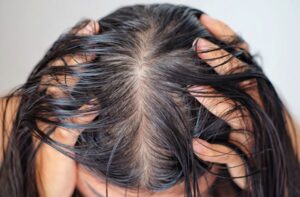
Oily Scalp
Produces excess sebum, often resulting in hair that looks greasy within a day of washing. Oily scalps typically benefit from clarifying shampoos and more frequent washing.
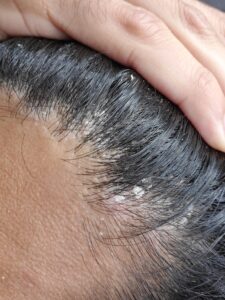
Dry Scalp
Lacks sufficient natural oil, often resulting in flaking, tightness, or itchiness, particularly after washing. Dry scalps generally do better with gentler, moisturizing shampoos and less frequent washing.
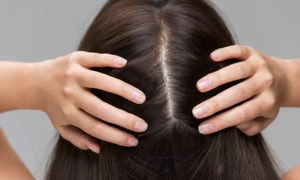
Balanced Scalp
Neither excessively oily nor dry, typically requiring the least intervention beyond a consistent, gentle routine.
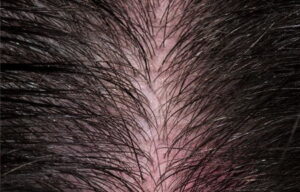
Sensitive Scalp
Prone to irritation, redness, or discomfort, often in response to certain ingredients or excessive product use. Sensitive scalps generally benefit from fragrance-free, minimal-ingredient products.
Building a Basic Scalp Care Routine
Step 1: Choose the Right Shampoo for Your Scalp Type
Rather than choosing shampoo based solely on your hair type (curly, straight, color-treated), consider your scalp type as well. A clarifying shampoo for an oily scalp, or a gentle, moisturizing formula for a dry one, addresses the root cause more directly than a product chosen for hair texture alone.

Step 2: Exfoliate Regularly
Scalp exfoliation — using either a physical scrub or a chemical exfoliant designed for the scalp — helps remove buildup, dead skin cells, and product residue that regular shampooing alone may not fully clear. Most people benefit from exfoliating once every one to two weeks, though this can vary based on scalp type and product use.
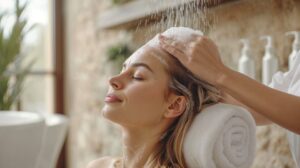
Step 3: Massage During Washing
Gently massaging your scalp while shampooing (using your fingertips, not nails) helps loosen buildup and may support healthy circulation to the area. A few minutes of massage during each wash is enough to make a meaningful difference over time.
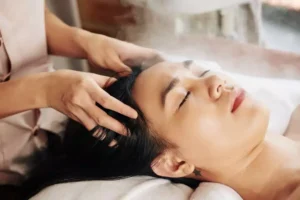
Step 4: Moisturize as Needed
Just as your face needs moisturizer even if you use a cleanser, your scalp may benefit from a lightweight, scalp-specific oil or serum, particularly if you have a dry or sensitive scalp. Look for non-comedogenic, lightweight formulas that won’t leave hair looking greasy.
Step 5: Protect Your Scalp from Sun and Environmental Damage
Your scalp, especially along the part line, is exposed to the same UV damage as the rest of your skin. A hat, scarf, or scalp-specific SPF spray can help protect this often-overlooked area, particularly during extended sun exposure.

Common Scalp Issues and How to Address Them
Dandruff
Often caused by an overgrowth of a naturally occurring yeast on the scalp, dandruff typically responds well to anti-dandruff shampoos containing ingredients like zinc pyrithione, ketoconazole, or salicylic acid, used according to the product’s specific instructions.
Product Buildup
Regularly using styling products without occasionally clarifying can lead to buildup that weighs hair down and irritates the scalp. A clarifying shampoo used every one to two weeks can help reset things without over-stripping in between.
Itchiness Without Visible Flaking
This can stem from a variety of causes, including product sensitivity, dryness, or mild irritation. Switching to fragrance-free, gentle products and ensuring you’re rinsing shampoo thoroughly can often help.
Excess Oiliness
While it might seem counterintuitive, over-washing an oily scalp can sometimes backfire by triggering even more oil production to compensate. Finding a balanced washing frequency (rather than washing daily out of frustration) often helps regulate this over time.
Lifestyle Factors That Affect Scalp Health
- Diet. A well-rounded diet with adequate vitamins and minerals supports overall skin health, including your scalp, though scalp issues caused by significant nutritional deficiencies typically require medical guidance rather than product changes alone.
- Stress. High stress levels have been linked to various scalp and hair concerns, including increased shedding, making stress management a worthwhile (if less direct) part of an overall scalp care approach.
- Water quality. Hard water, which contains higher mineral content, can sometimes contribute to buildup and dryness on the scalp over time, and a clarifying shampoo or shower filter may help offset this if it’s a persistent issue in your area.
- Heat styling habits. Frequent heat styling close to the roots can affect scalp comfort and health over time, in addition to the well-documented effects on hair strands themselves.
Key Ingredients to Look For (and Avoid) by Scalp Concern
Understanding a few common ingredients can make shopping for scalp care products far less overwhelming:
- For oily scalps: look for salicylic acid or tea tree oil, both of which help control excess oil and gently clarify without completely stripping the scalp.
- For dry scalps: ingredients like glycerin, hyaluronic acid, and lightweight plant oils (such as jojoba, which closely mimics natural sebum) help restore moisture without heaviness.
- For dandruff: zinc pyrithione, ketoconazole, selenium sulfide, and coal tar are all common active ingredients in medicated anti-dandruff formulas, each working through slightly different mechanisms to address flaking and yeast overgrowth.
- For sensitive scalps: fragrance-free formulas with minimal ingredient lists tend to reduce the risk of irritation, and patch-testing new products on a small area before full use is a good habit regardless of scalp type.
- Ingredients to approach cautiously: heavy silicones and waxes can contribute to buildup over time, especially for those already prone to it, while sulfates, though effective cleansers, can be overly drying for some scalp types when used daily.
How Scalp Care Differs for Different Hair Types
While the core principles of scalp care apply universally, a few adjustments are worth considering based on your hair type:
- Fine, straight hair often shows oiliness more visibly and quickly, since there’s less hair volume to absorb and disperse natural oils, making a slightly more frequent washing schedule reasonable for some people with this hair type.
- Coily or tightly curled hair often benefits from less frequent washing, since natural oils take longer to travel down the length of tightly coiled strands, meaning the scalp itself may not need as frequent cleansing as the hair’s appearance might suggest.
- Color-treated or chemically processed hair may come with a slightly more sensitive scalp, particularly right after a service, making gentle, fragrance-free products a safer choice during the adjustment period.
- Thick, dense hair can make it harder to fully rinse products from the scalp, so paying extra attention to thorough rinsing during washing is particularly important for this hair type.
When to See a Dermatologist
While most general scalp concerns respond well to an adjusted at-home routine, it’s worth consulting a dermatologist if you experience persistent, severe itching, significant hair loss, painful bumps or lesions, or flaking that doesn’t improve with over-the-counter treatments after several weeks. These symptoms can sometimes indicate an underlying condition that benefits from professional diagnosis and treatment beyond general scalp care practices.
Frequently Asked Questions About Scalp Care
How often should I wash my hair for optimal scalp health? This depends heavily on your specific scalp type and hair texture, but as a general guideline, oily scalps often benefit from washing every one to two days, while drier scalps may do better with washing every three to five days.
Can scalp care products actually help with hair growth? Scalp care primarily supports a healthy environment for hair to grow, rather than directly accelerating growth itself. That said, addressing issues like excess buildup, inflammation, or dryness can help prevent unnecessary breakage or shedding that might otherwise be mistaken for a growth problem.
Is scalp exfoliation safe to do at home? Yes, for most people, gentle scalp exfoliation using a product specifically designed for the scalp (rather than a body or facial exfoliant) is safe to do at home once every one to two weeks.
What’s the difference between scalp buildup and dandruff? Buildup is typically caused by product residue and dead skin cells accumulating over time, while dandruff is often related to an overgrowth of a naturally occurring yeast. Both can cause flaking, but dandruff usually requires a targeted anti-dandruff product rather than simply clarifying more often.
Do I need a separate scalp care routine if I already have a hair care routine? Not necessarily a completely separate routine, but it’s worth specifically considering your scalp’s needs when choosing shampoo, conditioner, and any additional treatments, rather than focusing exclusively on your hair’s texture or color needs.
Can I use the same scalp care products year-round, or should I adjust seasonally? Many people find their scalp needs shift somewhat with the seasons — often drier in winter due to indoor heating and colder air, and oilier in summer due to heat and humidity. Adjusting the richness of your products (a lighter formula in summer, a more hydrating one in winter) can help address these seasonal shifts rather than sticking rigidly to one routine year-round.
Final Thoughts
Scalp care is less about adding complicated new steps and more about paying attention to a part of your hair routine that’s easy to overlook. With a shampoo suited to your scalp type, regular gentle exfoliation, the right ingredients for your specific concerns, and a bit of attention to lifestyle factors like stress and water quality, you can build a genuinely healthier foundation for your hair to grow from.
Loved this guide? Save it to Pinterest so you have it ready as a reference for building your own routine.
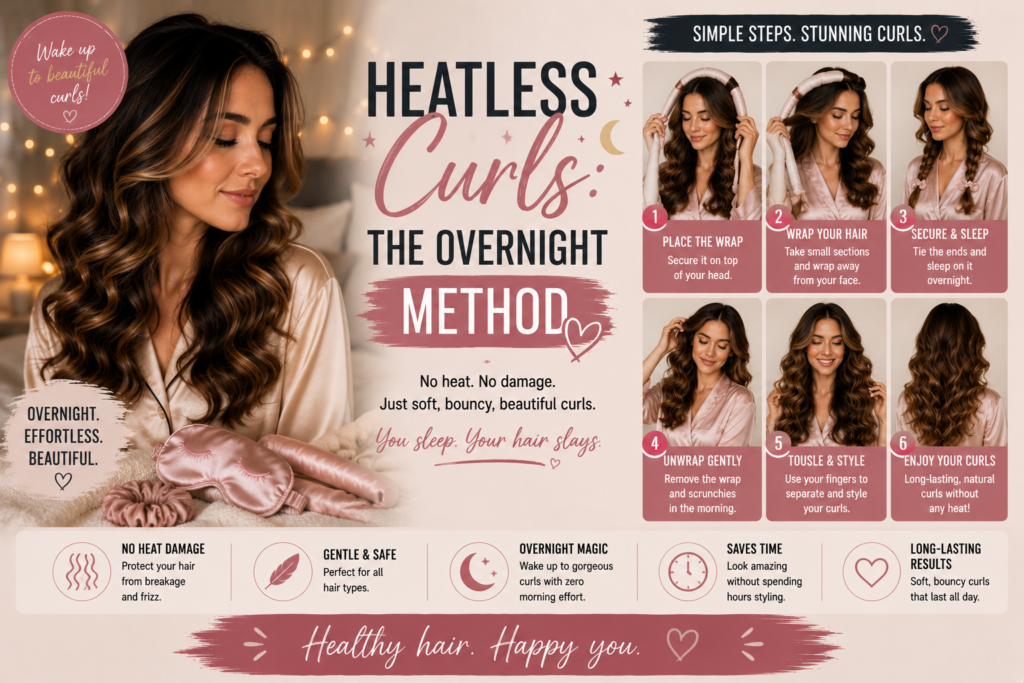
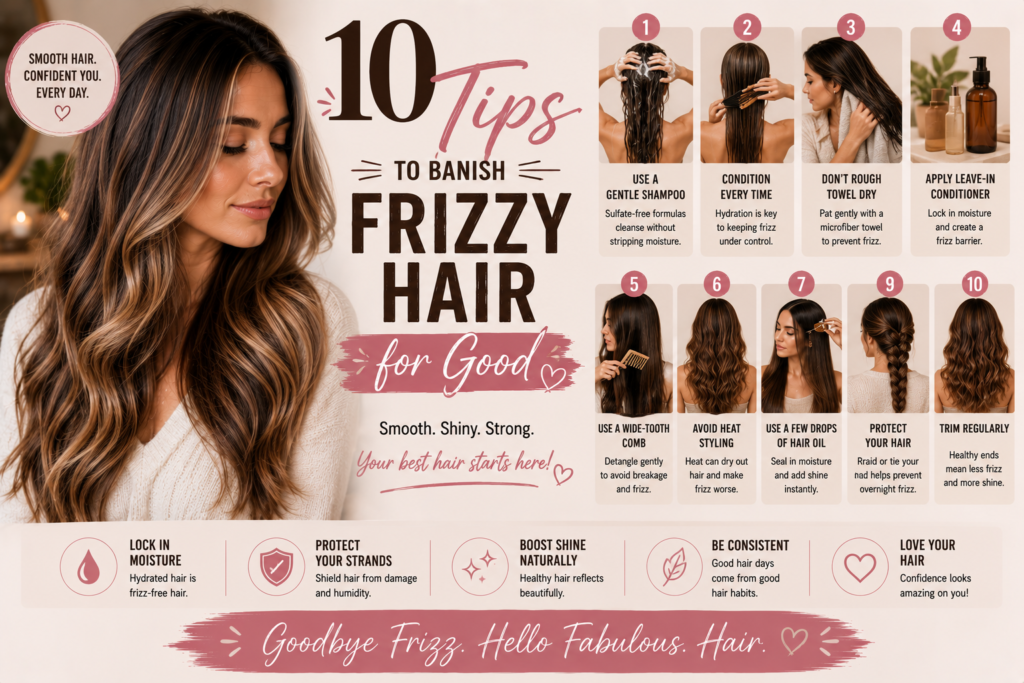
Looking for more hair health tips? Check out our guides on How to Get Rid of Frizzy Hair: 10 Proven Tips and How to Curl Your Hair Without Heat Damage for more ways to keep your hair healthy from root to tip.