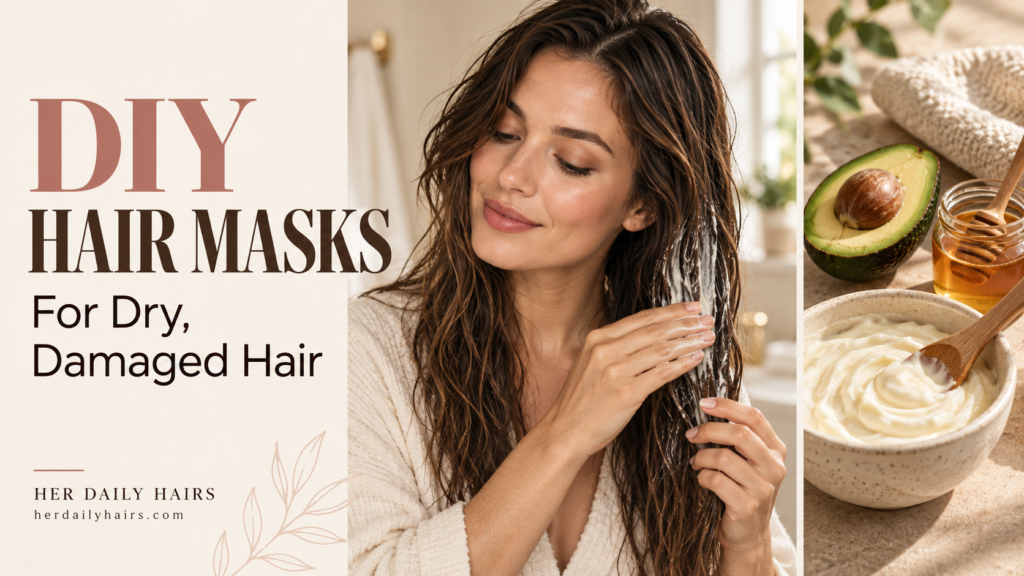
When your hair is feeling dry, brittle, or generally worse for wear, you don’t necessarily need an expensive salon treatment to bring some life back into it. A well-made DIY hair mask for dry hair can deliver real, noticeable moisture and softness using ingredients you probably already have in your kitchen — no special trip to the beauty supply store required.
Below, we’re sharing five homemade hair mask recipes, each targeting slightly different aspects of dryness and damage, along with tips on how to apply them, how often to use them, and what to expect from each one.
Why DIY Hair Masks Work
Many common kitchen ingredients contain properties that genuinely benefit dry or damaged hair:
- Natural oils (like coconut, olive, or avocado oil) help seal in moisture and add slip, making hair easier to detangle and less prone to breakage.
- Honey is a natural humectant, meaning it draws moisture into the hair rather than just sitting on top of it.
- Eggs contain protein that can temporarily help strengthen and add structure to weakened strands.
- Yogurt contains lactic acid, which can gently help remove buildup while also providing a protein and moisture boost.
- Avocado is rich in healthy fats that closely mimic the natural lipids found in healthy hair, making it particularly effective for deep conditioning.
General Tips Before You Start
- Do a patch test first, especially with ingredients like egg or ingredients you haven’t used on your skin or scalp before, to rule out any sensitivity.
- Apply to clean, damp hair for the best absorption, unless a specific recipe calls for a different application method.
- Use a shower cap or plastic wrap to help the mask’s ingredients penetrate more effectively, especially for oil-based treatments.
- Don’t overdo the frequency. Most DIY masks are best used once a week or every other week rather than daily, since even beneficial ingredients can sometimes lead to buildup or greasiness with overuse.
5 DIY Hair Masks for Dry, Damaged Hair
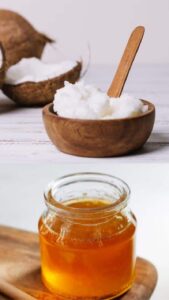
1. Coconut Oil and Honey Mask
Best for: overall dryness and dullness
Ingredients:
- 2 tablespoons coconut oil
- 1 tablespoon honey
Instructions:
- Gently warm the coconut oil until it’s liquid (a few seconds in the microwave or a warm water bath works well).
- Mix in the honey until fully combined.
- Apply the mixture to damp hair, focusing on the mid-lengths and ends.
- Cover with a shower cap and leave on for 20-30 minutes.
- Rinse thoroughly and shampoo as usual to remove any oily residue.
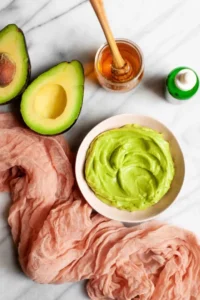
2. Avocado and Olive Oil Mask
Best for: deep conditioning and severe dryness
Ingredients:
- 1 ripe avocado
- 2 tablespoons olive oil
Instructions:
- Mash the avocado until smooth, removing any lumps for easier application and rinsing.
- Mix in the olive oil until well combined.
- Apply generously from mid-length to ends, avoiding the scalp if you have finer or oilier hair.
- Leave on for 20-30 minutes under a shower cap.
- Rinse thoroughly, then shampoo to remove any remaining residue.
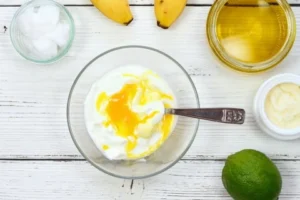
3. Egg and Yogurt Protein Mask
Best for: damaged, weakened, or over-processed hair
Ingredients:
- 1 egg
- 2 tablespoons plain yogurt
Instructions:
- Whisk the egg thoroughly, then mix in the yogurt until smooth.
- Apply to damp hair from roots to ends.
- Cover with a shower cap and leave on for 15-20 minutes (avoid leaving egg-based masks on much longer, and skip hot water when rinsing).
- Rinse with cool to lukewarm water first to avoid “cooking” the egg, then shampoo as usual.
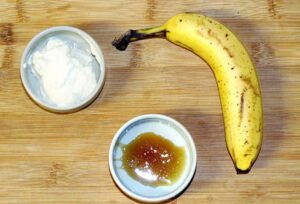
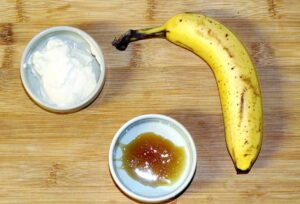
4. Banana and Honey Mask
Best for: frizz control and added softness
Ingredients:
- 1 ripe banana
- 1 tablespoon honey
- 1 tablespoon olive oil
Instructions:
- Mash the banana thoroughly, removing lumps as much as possible to avoid getting bits stuck in your hair.
- Mix in the honey and olive oil until well combined.
- Apply to damp hair, focusing on the length and ends.
- Leave on for 20 minutes under a shower cap.
- Rinse thoroughly (banana can be a bit stubborn to rinse out completely, so take your time) and follow with shampoo.
5. Aloe Vera and Coconut Oil Mask
Best for: lightweight hydration, especially for finer hair types
Ingredients:
- 3 tablespoons aloe vera gel
- 1 tablespoon coconut oil
Instructions:
- Mix the aloe vera gel and coconut oil until well combined.
- Apply to damp hair, concentrating on the ends where dryness is often most noticeable.
- Leave on for 15-20 minutes.
- Rinse thoroughly and shampoo as needed.
Choosing the Right Mask for Your Hair Type
Beyond your specific concern, your general hair type can help guide which of these recipes is likely to work best:
- Fine or thin hair tends to do better with lighter options like the aloe vera and coconut oil mask, since heavier oil-based recipes (like the avocado and olive oil combination) can sometimes weigh finer strands down.
- Thick or coarse hair can typically handle the richer, heavier masks well, including the avocado and olive oil recipe, since there’s more hair to absorb the added moisture without looking greasy.
- Curly or coily hair often benefits from the coconut oil and honey mask or the banana and honey mask, since both combine moisture with slip that helps with detangling, which can be especially helpful for curl patterns prone to dryness and knots.
- Color-treated hair generally does well with any of these masks, though the egg and yogurt protein mask can be a particularly good choice if color processing has left hair feeling weakened or over-porous.
- Oily scalp, dry ends (a common combination) works well with a targeted application approach — apply richer masks like avocado and olive oil only from mid-length to ends, keeping the scalp itself product-free.
How Often Should You Use a DIY Hair Mask?
For most hair types, using a DIY hair mask once a week is a good starting point, particularly if your hair is significantly dry or damaged. Once your hair’s condition improves, you can typically scale back to every other week for maintenance. Protein-based masks (like the egg and yogurt recipe) should generally be used less frequently than moisture-focused masks, since too much protein can sometimes leave hair feeling stiff or brittle if overdone.
Prepping and Storing Your Ingredients
A few practical tips make putting these masks together easier:
- Bring oils to room temperature or slightly warm them before mixing, since cold coconut oil in particular can be solid and difficult to blend evenly with other ingredients.
- Use ripe avocados and bananas for the smoothest consistency — underripe fruit is harder to mash completely and more likely to leave small chunks in your hair.
- Mix ingredients in a bowl you don’t mind getting a bit messy, since natural masks, especially egg and banana-based ones, can be harder to fully clean up than store-bought products.
- Make masks fresh each time rather than batching a large quantity in advance, since these recipes don’t contain preservatives and are best used within a day of mixing.
Tips for Getting the Most Out of Your DIY Hair Mask
- Apply heat if possible. A warm towel or a shower cap combined with a hooded dryer (or simply sitting in a warm bathroom) can help the mask’s ingredients penetrate more effectively.
- Focus on the areas that need it most. Ends are typically the oldest, driest part of your hair and often benefit from more concentrated application than your roots.
- Rinse thoroughly. Natural ingredients, especially oils and banana, can be trickier to rinse out completely than store-bought products, so take extra time during the rinsing step.
- Follow with a lightweight conditioner if needed, particularly if your hair still feels like it needs a bit more slip after rinsing out the mask.
- Store any extra mixture in the fridge for a day or two if you have leftovers, though most of these recipes are best made fresh each time for optimal freshness and effectiveness.
Frequently Asked Questions About DIY Hair Masks
Can DIY hair masks really repair damaged hair? DIY hair masks can meaningfully improve moisture, softness, and manageability, but they can’t reverse structural damage like split ends the way a professional treatment or trim can. They’re best thought of as a way to improve the condition of your existing hair rather than a permanent fix for damage.
Which DIY hair mask is best for very dry, brittle hair? The avocado and olive oil mask tends to be the most intensive, deep-conditioning option on this list, making it a good choice for hair that’s significantly dry or in need of extra nourishment.
Is it safe to leave egg-based masks on for too long? It’s best to avoid leaving egg-based masks on for much longer than the recommended time, and to always rinse with cool or lukewarm water first, since hot water can cause the egg to partially cook in your hair, making it more difficult to rinse out.
Can I use these masks on color-treated hair? Most of these natural ingredients are generally safe for color-treated hair, though it’s worth doing a small patch test first, and being aware that very acidic ingredients (like lemon juice, if added to any variation) can potentially lighten color slightly over time with repeated use.
How do I know which mask is right for my hair concern? If your hair feels dry and dull, oil and honey-based masks are a good starting point. If your hair feels weak, over-processed, or damaged from heat or color, a protein-based mask like the egg and yogurt recipe can help. For finer hair that gets weighed down easily, the lighter aloe vera and coconut oil combination is often a better fit than heavier oil-based recipes.
Can I customize these recipes with additional ingredients? Yes — many people add a few drops of essential oil for fragrance, or a tablespoon of apple cider vinegar to a rinse-out step for extra shine, though it’s best to introduce one new ingredient at a time so you can identify what works well for your hair and what doesn’t.
Final Thoughts
DIY hair masks offer an accessible, budget-friendly way to give dry or damaged hair some extra care using ingredients you likely already have at home. Whether you’re dealing with everyday dryness or hair that needs a bit more intensive repair, there’s a recipe on this list worth trying as part of your regular hair care routine.
Loved these recipes? Save your favorites to Pinterest so you have them ready for your next at-home spa day.
Looking for more hair health tips? Check out our guides on Scalp Care 101: How to Get a Healthier Scalp and How to Get Rid of Frizzy Hair: 10 Proven Tips for more ways to keep your hair healthy.