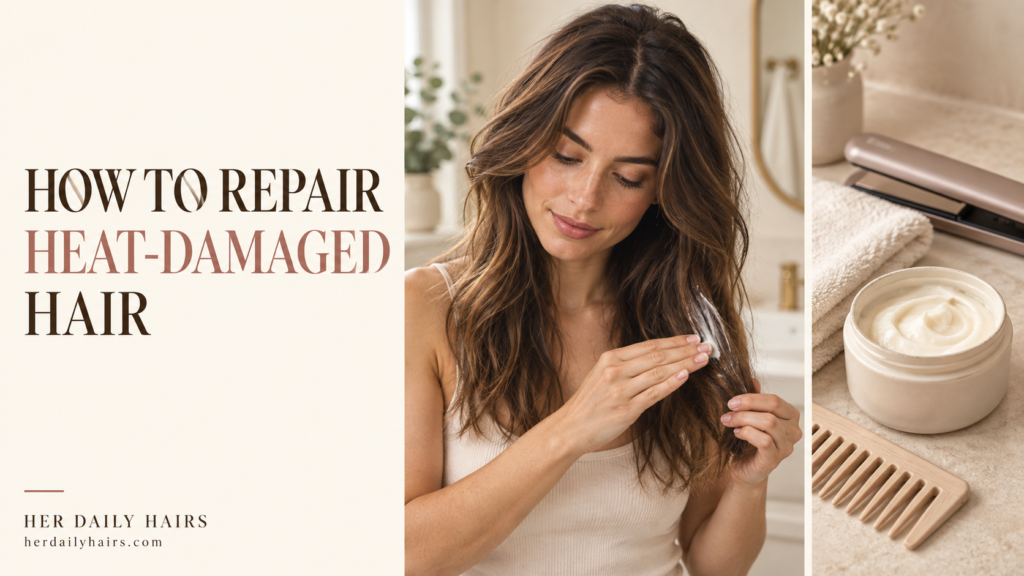
If your hair feels brittle, straw-like, or just generally “off” after months (or years) of regular heat styling, you’re dealing with one of the most common hair concerns out there. Learning how to repair heat damaged hair starts with an honest understanding of what heat actually does to your strands, since that shapes what’s realistically fixable versus what simply needs to be managed until it grows out.
This guide walks through how to recognize heat damage, what you can genuinely do to improve your hair’s condition, and how to adjust your styling habits going forward so you’re not undoing your progress with the same tools that caused the problem in the first place.
How to Tell If Your Hair Is Heat Damaged
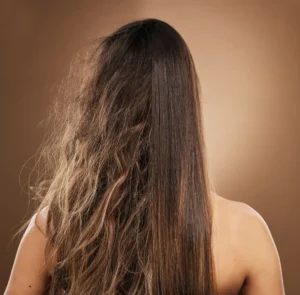
A few signs typically point to heat damage:
- Dryness and brittleness that doesn’t improve much with regular conditioning
- Split ends that seem to appear faster than usual or return quickly after a trim
- Reduced elasticity — hair that doesn’t stretch and bounce back the way healthy hair does
- Dullness, even shortly after washing and conditioning
- Increased breakage, especially noticeable as small broken pieces around your hairline or on your pillow
- A rough, straw-like texture compared to the smoother feel of undamaged sections
The Strand Test
Take a single strand of hair (ideally one that’s shed naturally) and gently stretch it. Healthy hair will stretch slightly and return to its original length. Damaged hair often stretches very little before breaking, or feels immediately weak and brittle.
Why Heat Styling Damages Hair
Heat styling tools work by temporarily breaking and reshaping the hydrogen bonds within your hair’s protein structure. At reasonable temperatures and with proper protection, this process is generally safe. But repeated exposure to high heat, especially without a heat protectant, can damage the hair’s outer cuticle layer, leading to moisture loss, protein breakdown, and the visible signs of damage described above.
Can Heat-Damaged Hair Actually Be Repaired?
Here’s the honest truth: severely heat-damaged hair, particularly hair with split ends or significant structural breakdown, cannot be fully “repaired” in the sense of restoring it to its original healthy state. Once the internal protein structure and outer cuticle are significantly compromised, the only true fix for that specific damaged section is a trim.
That said, there’s a lot you can do to significantly improve the condition, appearance, and manageability of heat-damaged hair while you wait for healthier hair to grow in. The following steps focus on maximizing your hair’s health and minimizing further damage, rather than promising an impossible full reversal.
Step-by-Step: How to Repair and Manage Heat-Damaged Hair
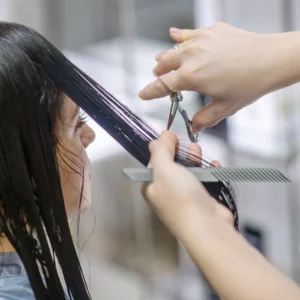
Step 1: Get a Trim
Removing the most damaged ends is the single most effective step you can take. Split ends don’t heal, and if left untrimmed, they often continue splitting further up the hair shaft, causing more extensive damage over time.
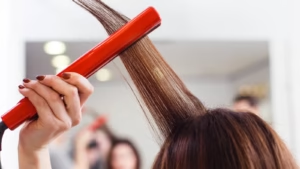
Step 2: Reduce Heat Styling Immediately
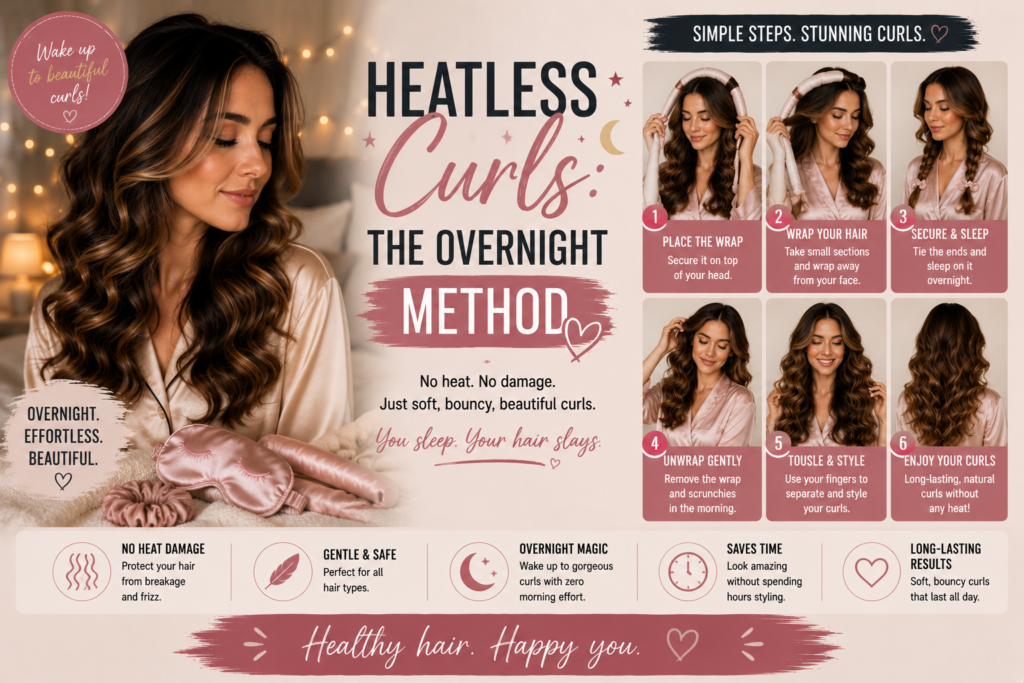
Giving your hair a genuine break from heat tools, even temporarily, allows it to stop accumulating additional damage while you focus on repair. Consider heatless styling methods during this period wherever possible.
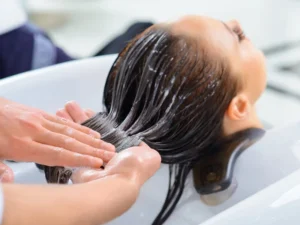
Step 3: Incorporate Regular Deep Conditioning
Deep conditioning treatments, used once or twice a week, help restore moisture that heat styling strips away. Look for products with ingredients like shea butter, argan oil, or ceramides, which help reinforce the hair’s outer layer.
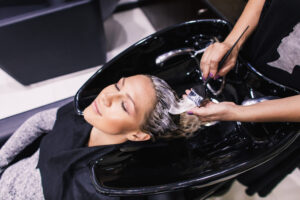
Step 4: Add Protein Treatments Strategically
Since heat damage breaks down hair’s internal protein structure, incorporating a protein treatment every few weeks can help temporarily reinforce and strengthen weakened strands. Be careful not to overdo protein treatments, though, since too much protein without enough moisture can actually make hair feel more brittle.
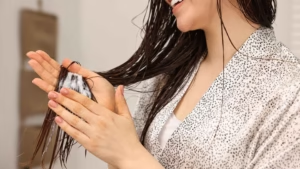
Step 5: Use a Leave-In Conditioner or Hair Oil Daily
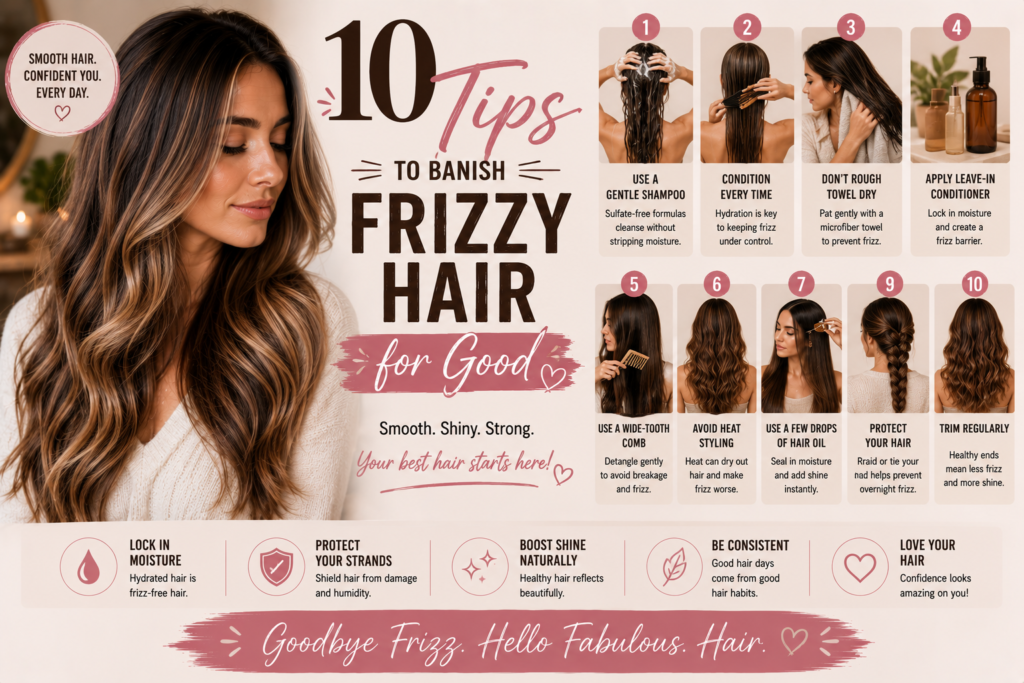
A lightweight leave-in conditioner or a few drops of hair oil applied to damp hair can help seal in moisture throughout the day, reducing the day-to-day dryness that heat-damaged hair is especially prone to.
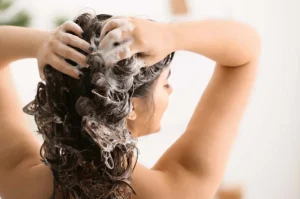
Step 6: Switch to Sulfate-Free Shampoo
Sulfates can be excessively drying, which compounds the moisture loss already caused by heat damage. A gentler, sulfate-free shampoo helps avoid stripping your hair further during the repair process.
Step 7: Sleep on Silk or Satin
Cotton pillowcases create friction that can worsen breakage on already-fragile, heat-damaged hair. Switching to a silk or satin pillowcase (or wearing a silk bonnet) reduces this friction significantly.

Choosing the Right Heat Protectant
Not all heat protectants offer the same level of protection, and choosing the right one can make a meaningful difference going forward:
- Look for products specifically labeled for your styling tool’s temperature range, since some lighter formulas are only rated for lower-heat styling and won’t offer adequate protection at higher temperatures.
- Spray or serum formulas tend to distribute more evenly through the hair than very thick creams, which can sometimes leave certain sections under-protected.
- Apply to damp or fully dry hair, not soaking wet hair, and make sure the product is evenly distributed through the mid-lengths and ends, where damage is often most concentrated.
- Reapply for multiple styling passes. If you’re re-curling or re-straightening a section, a light reapplication helps maintain protection rather than relying on a single application to last through repeated heat exposure.
How to Prevent Further Heat Damage
- Always use a heat protectant before any heat styling, without exception, since this is one of the most effective ways to minimize ongoing damage.
- Lower your tool’s temperature setting. Many people use higher heat than necessary; a lower setting combined with a bit more time often achieves the same result with less damage.
- Reduce styling frequency. Where possible, stretch the time between heat styling sessions, using heatless methods (like braids, twists, or overnight curls) on the days in between.
- Invest in quality tools. Higher-quality flat irons and curling irons often distribute heat more evenly, reducing the concentrated damage that cheaper tools with hot spots can cause.
- Avoid styling on soaking wet hair. Applying high heat to fully saturated hair can cause the water inside the hair shaft to essentially boil, leading to more significant damage than styling on properly dried or damp hair.
How Recovery Differs by Hair Type
The severity of heat damage and how it presents can vary depending on your hair type:
- Fine, thin hair tends to show heat damage more visibly and quickly, since there’s less natural structure to mask dryness or breakage. Fine hair often benefits from lighter-weight repair products to avoid looking greasy while still addressing damage.
- Coarse or thick hair can sometimes hide heat damage for longer, but often requires richer, more intensive treatments once damage becomes noticeable, since coarser strands generally need more product to see a meaningful difference.
- Curly or coily hair is often more susceptible to heat damage overall, since the natural curl pattern can be permanently loosened or altered by excessive heat, in addition to the moisture and protein-related damage common to all hair types. Curl pattern that doesn’t fully bounce back after a heat styling session is a specific sign of damage worth watching for in this hair type.
- Color-treated hair combined with heat damage requires extra caution, since both processes compromise the hair’s structure in similar ways. Sticking to gentler, color-safe repair products and being especially consistent with moisture and protein balance is particularly important for hair dealing with both types of damage simultaneously.
What to Expect During the Recovery Process
Repairing the appearance and manageability of heat-damaged hair is a gradual process, generally taking several weeks to a few months of consistent care to see noticeable improvement. Since new hair growth is unaffected by past heat damage, much of the long-term “repair” ultimately comes from a combination of trimming away the most damaged sections and protecting new growth as it comes in.
Frequently Asked Questions About Repairing Heat-Damaged Hair
Can a deep conditioning treatment reverse split ends? No — split ends cannot be repaired or reversed with any product, including deep conditioners or protein treatments. These treatments can temporarily smooth the hair’s appearance and reduce the look of splitting, but the only permanent fix is trimming the damaged section off.
How long does it take for heat-damaged hair to grow out? This depends entirely on how much damage exists and your hair’s growth rate, but many people find that combining regular trims with consistent moisture and protein care leads to noticeably healthier-feeling hair within a few months, even before fully damaged sections have completely grown out.
Is it possible to use heat tools again once hair is fully repaired? Yes, but with better habits in place — consistent heat protectant use, lower temperatures, and less frequent styling — to avoid ending up back in the same damaged state.
What’s the difference between heat damage and dryness? Dryness can often be improved fairly quickly with proper moisture and conditioning, while heat damage involves more significant structural changes to the hair’s protein and cuticle layer, which is why it requires a more comprehensive approach and, in more severe cases, trimming to fully resolve.
Are there specific products best suited for heat-damaged hair? Products containing ceramides, keratin, argan oil, or shea butter are commonly recommended for heat-damaged hair, since they help address both the moisture loss and protein breakdown associated with this type of damage.
Can heat damage cause permanent hair loss? Heat damage primarily affects the hair shaft itself rather than the follicle, meaning it typically doesn’t cause permanent hair loss in the way conditions affecting the scalp or follicle can. However, severe breakage can make hair appear thinner or shorter until healthier growth replaces the damaged sections.
Final Thoughts
Repairing heat-damaged hair is less about finding a single miracle product and more about combining a few consistent habits — trimming away what’s beyond repair, restoring moisture and protein balance, and protecting new growth going forward. With patience and the right routine, most heat-damaged hair can look and feel significantly healthier within a few months.
Loved this guide? Save it to Pinterest so you have the full recovery plan ready whenever you need it.
Looking for more hair health tips? Check out our guides on Scalp Care 101: How to Get a Healthier Scalp and DIY Hair Masks for Dry, Damaged Hair for more ways to nurse your hair back to health.