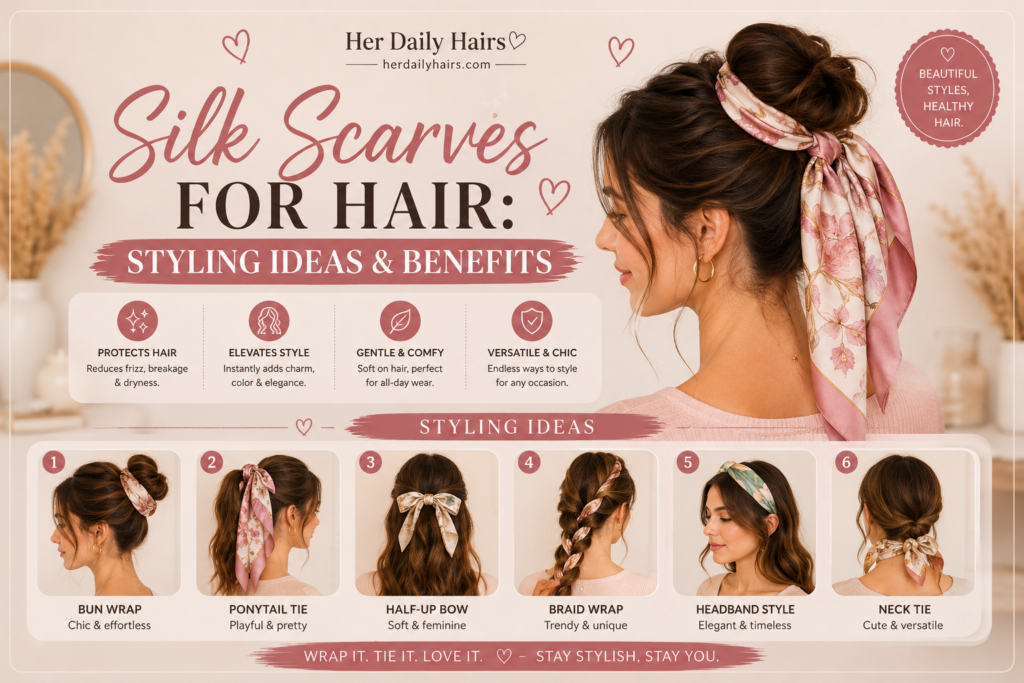
A silk scarf might be one of the most underrated hair accessories out there — it’s inexpensive, endlessly versatile, and doubles as both a styling tool and a genuine hair-health upgrade. Whether wrapped as a headband, tied into a bow, or used to protect hair overnight, silk scarf hairstyles offer far more range than most people give them credit for.
Below are 10 hair scarf styling ideas to try, along with the real benefits silk offers over other fabrics.
Why Silk Specifically?
Silk’s smooth, low-friction surface is what sets it apart from cotton or synthetic scarves. Where rougher fabrics can catch on hair strands and create friction, silk allows hair to glide rather than snag — which matters both for styling comfort and for minimizing breakage over repeated wear. This is the same reason silk pillowcases and scrunchies have become so popular in hair care circles.
10 Silk Scarf Hairstyles to Try
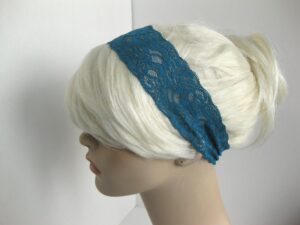
1. Classic Headband Wrap
Fold the scarf into a long strip and tie it around your head like a headband, knotting it either at the nape of your neck or off to one side for a slightly asymmetrical look.
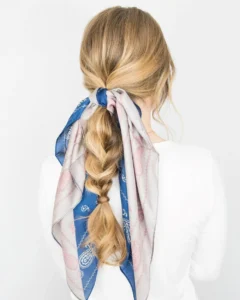
2. Ponytail Wrap
Wrap a scarf around the base of a ponytail to hide the elastic, letting the ends hang loose or tying them into a small bow for extra detail.
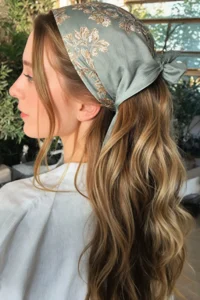
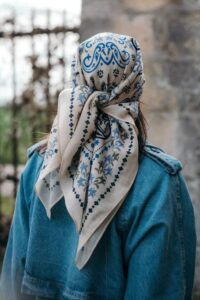
3. Bandana-Style Wrap
Fold the scarf into a triangle and tie it bandana-style, covering the top of your head with the ends knotted at the back or front, depending on the look you’re going for.
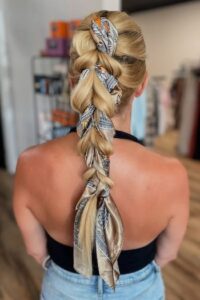
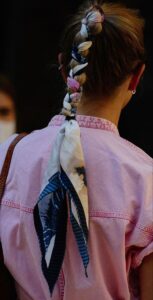
4. Braided Scarf Detail
Incorporate a thin strip of scarf directly into a three-strand braid alongside your hair for a woven, colorful detail running the length of the braid.
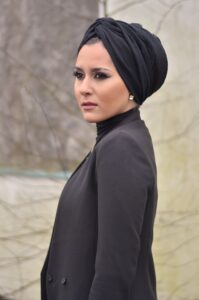
5. Turban Wrap
Wrap the scarf fully around your head, tucking the ends underneath for a polished, turban-inspired look — a great option for a bad hair day or second-day hair.
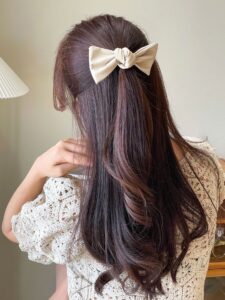
6. Half-Up Scarf Bow
Tie a scarf into a bow around the base of a half-up ponytail for a sweet, decorative touch that works well for both casual and dressier occasions.
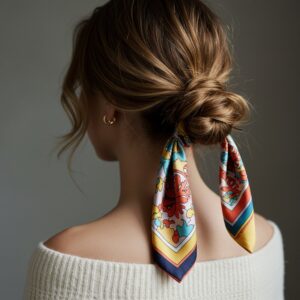
7. Low Bun Wrap
Wrap a scarf around the base of a low bun, either as a thin accent or a fuller wrap that partially covers the bun itself, for an elevated, polished finish.
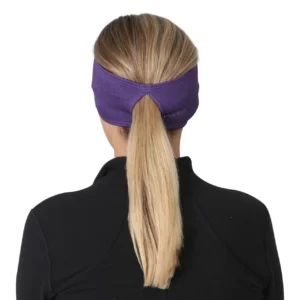
8. Headband Under a Ponytail
Tie the scarf as a simple headband, then pull the rest of your hair back into a ponytail or bun underneath — a practical combination for hot weather or workouts.
9. Double-Braid Wrap
Braid a scarf into each of two pigtail braids for a playful, textured look with a pop of pattern or color running down each braid.
10. Loose Neck Scarf with Hair Down
For a subtler styling option, simply tie the scarf loosely around your neck rather than in your hair, letting it complement loose, down hairstyles as an accessory rather than a hair wrap.
The Hair Health Benefits of Silk Scarves
Beyond styling, silk scarves offer real, practical benefits for hair health:
- Reduced friction and breakage. Silk’s smooth surface causes significantly less friction against hair strands compared to cotton or other rough fabrics, which helps minimize breakage over time.
- Moisture retention. Unlike cotton, which can absorb moisture from hair (leading to dryness), silk helps hair retain its natural oils and hydration.
- Protection while sleeping. Wrapping hair in a silk scarf before bed protects styles like braids, twist-outs, or blowouts from friction against a pillowcase, helping them last longer.
- Gentler on curly and textured hair. Curly and coily hair types, which are especially prone to friction-related breakage and frizz, benefit significantly from silk’s smooth surface, both for daytime wrapping and overnight protection.
- Less static. Silk generates less static than synthetic fabrics, which can help reduce flyaways, especially in dry or cold weather.
How to Wrap Hair in Silk for Overnight Protection
- Gather hair loosely at the crown, avoiding tight elastics that could create tension while sleeping.
- Fold a large silk scarf into a triangle and place the long edge against your forehead, letting the point hang down the back.
- Bring the two side corners back and cross them at the nape of your neck.
- Wrap the ends back around to the front and tie securely, tucking in any loose fabric.
- Adjust for comfort, ensuring the wrap isn’t too tight against your hairline.
Choosing the Right Silk Scarf
- Look for 100% mulberry silk where possible, since it offers the smoothest texture and the most durability compared to blended or synthetic “silk-like” fabrics.
- Consider size based on use. A smaller square scarf works well for headbands and bows, while a larger rectangular scarf is better suited for full wraps or turban styles.
- Choose a weight that suits your climate. Lighter silk works well for warm-weather styling, while a slightly heavier weight can offer more structure for wraps and turbans.
Caring for Your Silk Scarf
- Hand wash in cool water with a gentle detergent to preserve the fabric’s texture and sheen.
- Avoid wringing or twisting the fabric, which can damage silk fibers — gently press out excess water instead.
- Air dry away from direct sunlight, which can cause fading over time.
- Store folded rather than hung to avoid stretching the delicate fabric.
Silk Scarf Styling by Hair Type
- Straight hair: A silk scarf headband or wrap holds cleanly against smooth, straight hair, making it especially easy to achieve a polished turban or headband look.
- Wavy or curly hair: Silk scarves are particularly beneficial here, since the smooth fabric helps preserve curl and wave pattern both during the day and overnight, reducing frizz that rougher fabrics tend to cause.
- Coily and textured hair: Full silk wraps are a common protective styling tool for coily hair, helping to retain moisture and reduce breakage, especially when worn overnight or during a protective style like twists or braids.
- Short hair: Smaller scarves work particularly well here, styled as a simple headband or bandana wrap rather than attempting a larger, more elaborate turban style that needs more length to secure properly.
- Thinning or fine hair: A silk scarf offers a gentle way to add coverage and style without any tension on the scalp, unlike tighter accessories that can pull on more fragile strands.
Silk vs Satin: What’s the Difference?
Silk and satin are often used interchangeably in hair care conversations, but they’re not the same thing. Silk is a natural fiber, while satin refers to a type of weave that can be made from various materials, including polyester. Genuine silk tends to be more breathable and slightly more effective at reducing static and friction, while satin (particularly polyester satin) offers a similar smooth surface at a lower price point. Both are significantly better choices than cotton for hair-related use, so if budget is a concern, a satin scarf is still a solid step up from standard cotton fabric.
Frequently Asked Questions
Can I sleep in a silk scarf every night? Yes, sleeping in a silk scarf is generally considered safe and beneficial for hair health, particularly for reducing friction-related breakage and preserving moisture overnight.
Is silk better than a bonnet for protecting hair? Both serve a similar protective function. A silk scarf offers more styling versatility since it can be tied in various ways, while a silk or satin bonnet may provide slightly more consistent, all-around coverage for those who move a lot during sleep.
How do I keep a silk scarf from slipping out of my hair? Using a few small bobby pins to secure the scarf at key points, particularly at the nape of the neck or behind the ears, helps keep it in place through the day or night without adding much bulk.
Can I use a silk scarf on wet hair? It’s generally best to avoid wrapping wet hair too tightly, since hair is more fragile when wet. If wrapping damp hair, keep the wrap loose and allow enough airflow for hair to dry properly to avoid trapping excess moisture against the scalp.
Final Thoughts
A silk scarf is one of the most versatile, low-cost accessories you can add to your hair routine, offering both genuine style options and real benefits for hair health. Whether you’re wrapping it as a headband, weaving it into a braid, or using it to protect your style overnight, these silk scarf hairstyles and hair scarf styling ideas make it easy to get more use out of a single, simple accessory.
Looking for more accessory-focused styling ideas? Check out our guide on Hair Accessories You Need in 2026 and our upcoming headband hairstyles guide for more inspiration.