A headband might be the single most underrated tool in a hairstyling routine — it takes seconds to put on, works on nearly any hair length or texture, and can instantly elevate an otherwise unstyled look. Whether you’re after something practical for a workout or a more polished accessory for the office, headband hairstyles offer a fast way to look put-together with almost no effort.
Below are 15 chic ways to wear one, plus practical guidance on how to wear a headband so it actually stays in place all day.
Why Headbands Work So Well
Headbands solve two problems at once: they keep hair (and flyaways) controlled, and they add a finished, intentional look without requiring any actual styling technique. They’re also one of the few accessories that work equally well dressed up or down, on clean or second-day hair, and across nearly every hair length from a bob to waist-length hair.
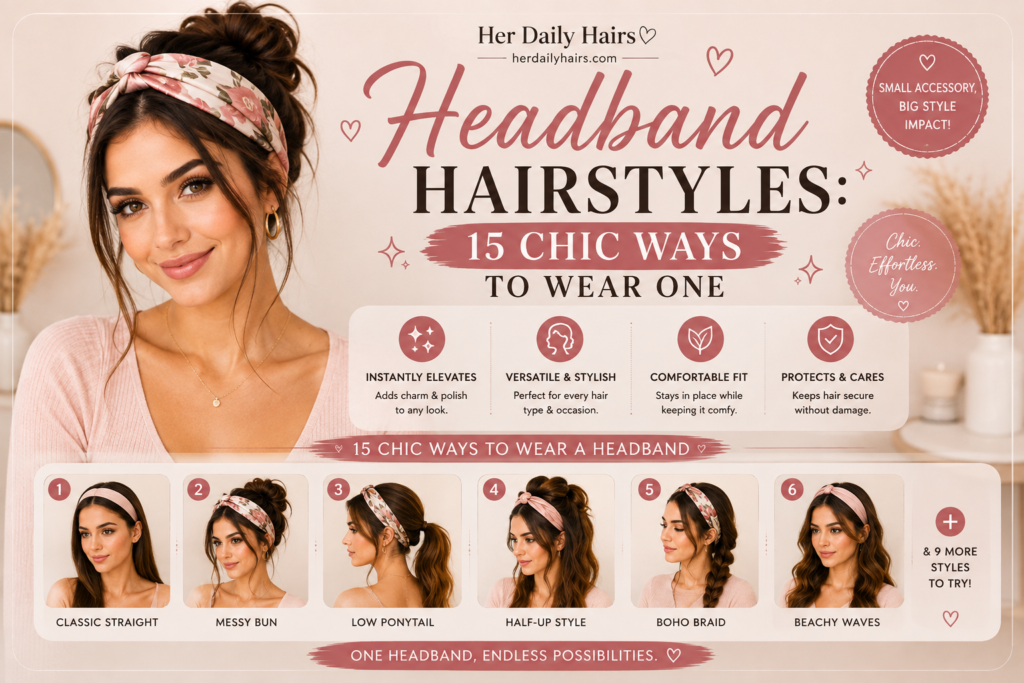
15 Chic Headband Hairstyles
1. Classic Headband with Hair Down
The simplest option: push a headband back over freshly styled or naturally textured hair left completely down.
2. Headband with a Low Ponytail
Pairing a headband with a low ponytail underneath keeps hair fully controlled while adding a polished, structured detail up top.
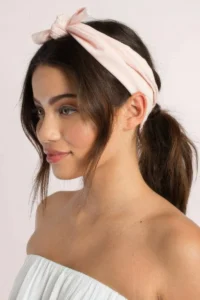
3. Headband with Loose Waves
Adding soft, loose waves underneath a headband creates a romantic, slightly undone look that works for both casual and dressier occasions.
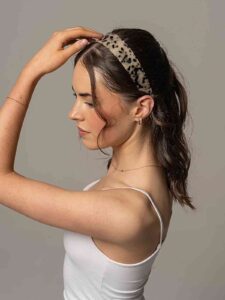
4. Headband with a Half-Up Style
Combining a headband with a small half-up section pulled back underneath adds extra structure and keeps hair fully out of the face.
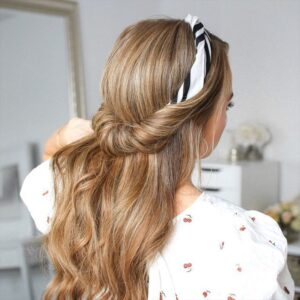
5. Headband Over Slicked-Back Hair
Smoothing hair back completely before adding a headband creates a sleek, minimalist look, especially striking with a thin, simple band.
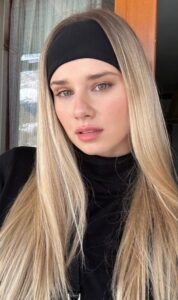
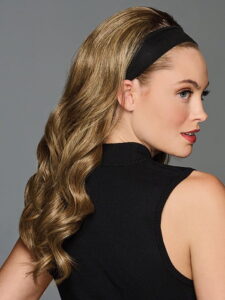
6. Padded Headband with Curls
A thicker, padded headband paired with voluminous curls creates a soft, glamorous combination that photographs particularly well.
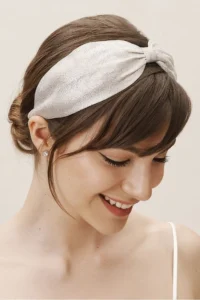
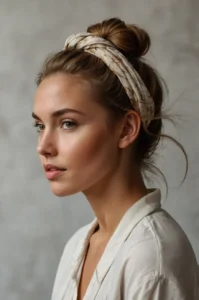
7. Knotted Headband with a Bun
Tying a knotted fabric headband and pairing it with a low bun offers a polished, slightly retro-inspired look.
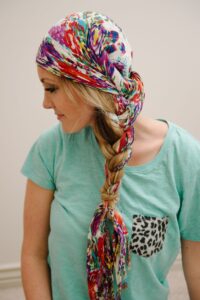
8. Headband with Braided Pigtails
Adding a thin headband above two simple braids keeps shorter pieces and flyaways controlled during active days.
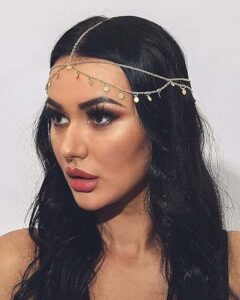
9. Chain or Metallic Headband for Evening
A delicate metal headband paired with sleek, straight hair or soft waves adds a bit of glamour for evening events.
10. Headband with a Middle Part and Hair Down
Pairing a headband with a sharp, centered part creates a clean, modern silhouette that works especially well with straight hair.
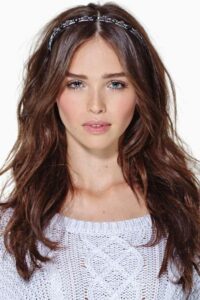
11. Wide Headband for Workouts
A wide, stretchy headband designed to manage sweat and keep flyaways controlled is a practical, functional choice for the gym or outdoor activities.
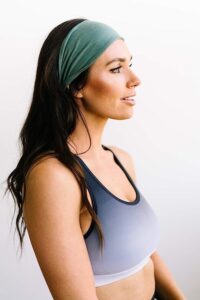
12. Silk Scarf as a Headband
Tying a silk scarf headband-style over loose hair or a simple updo adds color, pattern, and a bit of personal flair.
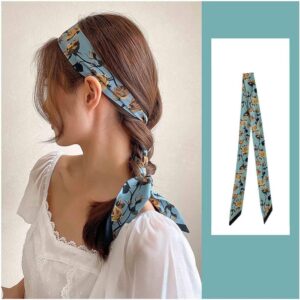
13. Headband with Space Buns
Pairing a thin headband with two playful space buns creates a fun, youthful combination for casual days.
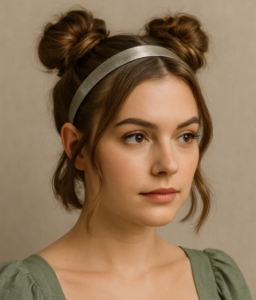
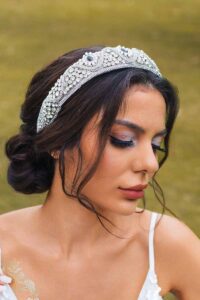
14. Rhinestone or Crystal Headband for Special Occasions
A decorative, embellished headband elevates an otherwise simple hairstyle, making it a popular choice for weddings, parties, or formal events.
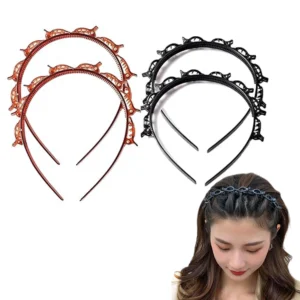
15. Double Headbands for a Layered Look
Wearing two thinner headbands stacked slightly apart creates a more detailed, layered effect than a single band alone.
How to Wear a Headband So It Actually Stays Put
- Position it slightly back from your hairline. Placing a headband an inch or so back from where your hair naturally starts tends to hold more securely than pushing it right at the hairline.
- Use bobby pins for extra security. Pinning the headband in place at the sides, just behind your ears, helps prevent it from sliding backward throughout the day.
- Choose the right width for your hair type. Thicker, padded headbands tend to stay in place better on fine or slippery hair, while thinner bands can work well on textured or thicker hair that naturally grips more.
- Add texture before putting it on. A bit of texturizing spray or dry shampoo gives hair more grip, helping the headband stay anchored rather than sliding around.
- Consider a headband with a grip lining. Some headbands include a thin silicone or grip strip on the underside specifically designed to prevent slipping — worth seeking out if you struggle with bands sliding back.
Choosing the Right Headband for Your Hair
- Fine or thin hair: A padded or wider headband distributes pressure more evenly and tends to stay in place better than a thin, slippery band.
- Thick or curly hair: Stretchy, fabric-based headbands typically accommodate more volume comfortably compared to rigid plastic bands.
- Short hair: Thinner headbands tend to look more proportionate on shorter cuts, especially bobs and pixies.
- Long hair: Wider, more structured headbands can help manage the added weight and volume of longer hair more effectively.
Headband Materials and When to Use Them
- Fabric and padded headbands: Comfortable for all-day wear and gentle on hair, making them ideal for everyday styling.
- Plastic or rigid headbands: Offer a sleek, structured look but can create more tension at the temples with extended wear — better suited for shorter periods or special occasions.
- Silk or satin headbands: Reduce friction and are gentler on hair strands, making them a solid choice for those concerned about breakage from repeated wear.
- Metal or embellished headbands: Best reserved for shorter-wear occasions like parties or events, since they tend to be less comfortable for extended daily use.
Headband Hairstyles by Occasion
- Work or school: A polished, padded headband paired with a low ponytail or hair left down and smoothed keeps things professional and put-together.
- Workouts: A wide, stretchy sport headband combined with a secure ponytail or braid handles sweat and movement without slipping.
- Casual weekends: A knotted fabric headband or silk scarf styled loosely with waves or a half-up section offers an easy, relaxed look.
- Date night: A padded headband paired with soft curls, or a delicate metallic band with sleek, straight hair, adds a bit of polish for the evening.
- Weddings and formal events: A crystal or rhinestone-embellished headband elevates an updo or loose waves into something appropriately special-occasion-ready.
Frequently Asked Questions
Do headbands cause hair loss? Wearing a headband occasionally is generally safe, but consistently wearing a very tight headband in the same position every day can contribute to tension at the hairline over time. Rotating placement and choosing a comfortably snug (not tight) fit helps minimize this risk.
What’s the best headband for second-day hair? A wider, padded headband tends to work particularly well for disguising second-day hair, since it covers more of the roots and adds a polished, intentional look to otherwise unstyled hair.
Can headbands work on very short hair? Yes, thin headbands in particular work well on short cuts like bobs and pixies, though very short hair may need a bit of texturizing product to help the band grip securely.
How do I stop a headband from giving me a headache? Headaches from headbands usually come from the band being too tight or positioned directly over a pressure point. Try a slightly looser fit, a padded style that distributes pressure more evenly, or repositioning the band a bit further back from your temples.
Are fabric or plastic headbands better for everyday wear? Fabric headbands are generally more comfortable for all-day, everyday wear since they flex slightly and don’t dig into the scalp the way a rigid plastic band can after extended use. Plastic headbands tend to be better suited to shorter wear, like a night out or a few hours at an event.
Final Thoughts
A headband remains one of the fastest, most versatile ways to elevate a hairstyle with almost no effort required. Whether you’re pairing one with loose waves for a romantic look, a sleek ponytail for the office, or a wide, functional band for the gym, these headband hairstyles offer plenty of ways to make the most of this simple, effective accessory.
Looking for more accessory-focused styling ideas? Check out our guides on Hair Accessories You Need in 2026 and 10 Ways to Style a Silk Hair Scarf for more inspiration.