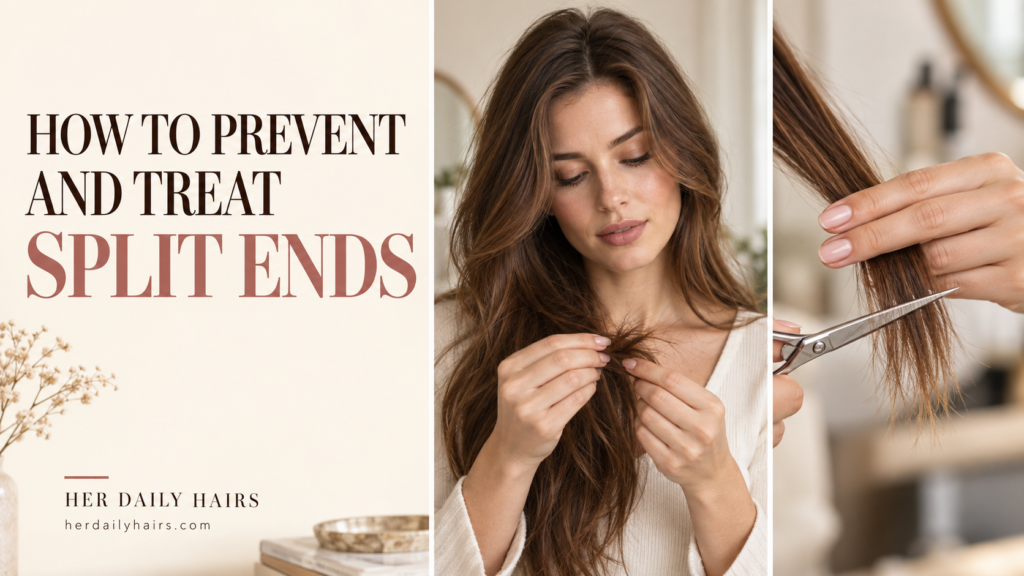
Few hair concerns are as universally frustrating as split ends. They show up regardless of hair type, texture, or color, and once they appear, there’s really only one true fix. Learning how to get rid of split ends starts with understanding exactly what causes them, since that knowledge is what actually helps you prevent split ends from forming in the first place.
This guide covers what split ends actually are, what causes them, whether they can truly be repaired, and the most effective prevention and management strategies to keep your ends looking healthier for longer.
What Are Split Ends, Exactly?

A split end occurs when the protective outer layer of the hair shaft (the cuticle) wears away at the tip, causing the inner layers to separate and fray. This typically happens at the oldest part of the hair — the ends — since they’ve endured the most cumulative wear from washing, styling, and general exposure over time.
What Causes Split Ends?
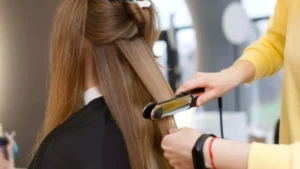
- Heat styling without adequate protection is one of the most common causes, as repeated heat exposure weakens and eventually breaks down the cuticle layer.
- Mechanical damage from brushing too aggressively, especially on wet hair, or using rough hair ties and accessories.
- Chemical processing, including coloring, bleaching, relaxing, or perming, which can weaken the hair’s structure over time.
- Environmental exposure, such as sun, wind, and dry air, which gradually wears down the cuticle.
- Lack of regular trims, allowing existing minor damage to progress into more significant splitting.
- Excessive brushing or over-manipulation, particularly with old or damaged brushes that snag hair rather than smoothing it.
Can Split Ends Actually Be Repaired?
Here’s the honest answer: no, not permanently. Once hair splits, there is no product or treatment that can fully weld the cuticle back together at a structural level. Products marketed as “split end repair” typically work by temporarily smoothing the area with silicones or similar ingredients, which can make split ends look better in the short term but doesn’t reverse the underlying damage. The only genuine fix for existing split ends is trimming them off.
That said, this doesn’t mean prevention and management strategies are pointless — quite the opposite. Preventing new split ends from forming, and using products that minimize their visible impact while you wait for a trim, are both worthwhile parts of a healthy hair routine.
How to Prevent Split Ends
Get Regular Trims
Trimming every 8-12 weeks removes minor damage before it has a chance to progress into more significant splitting further up the hair shaft.
Use a Heat Protectant Every Time
Applying a heat protectant before any heat styling significantly reduces the cuticle damage that leads to split ends over time.

Brush Gently, and Less Often on Wet Hair
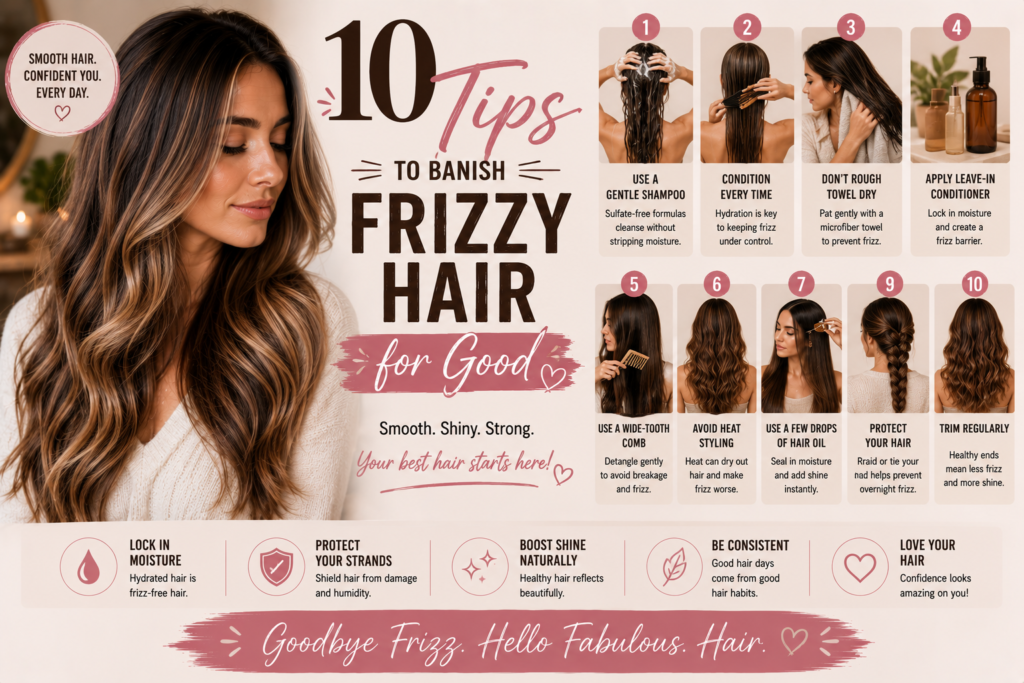
Hair is most fragile when wet, so use a wide-tooth comb rather than a brush when detangling wet hair, and be gentle regardless of hair state.

Reduce Heat Styling Frequency
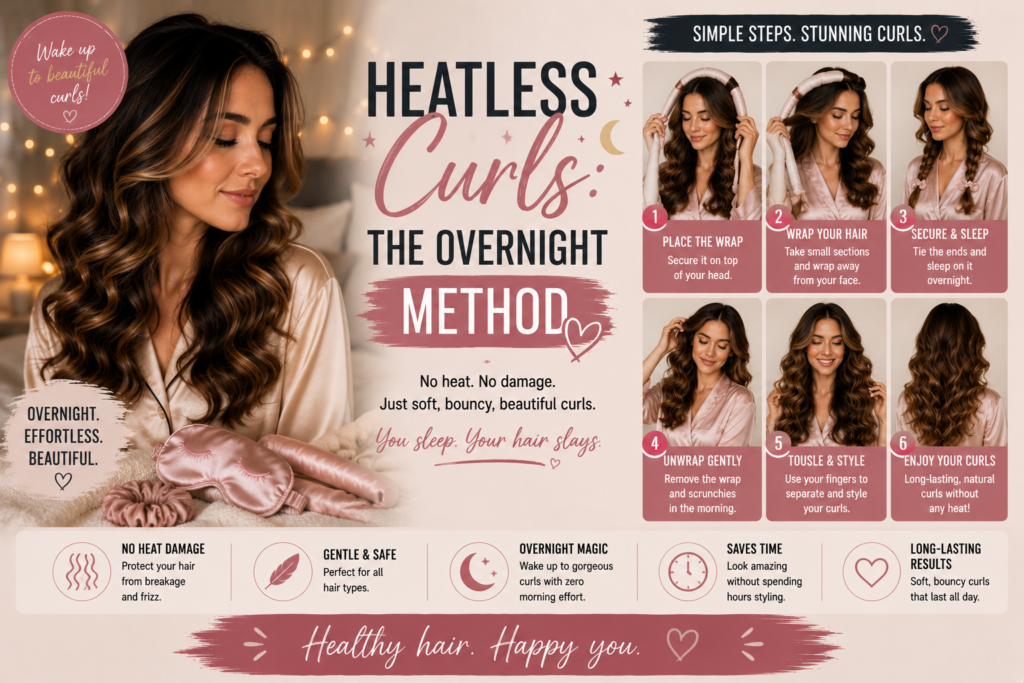
Where possible, giving your hair breaks between heat styling sessions, using heatless methods instead, reduces the cumulative damage that leads to splitting.
Choose Gentler Hair Accessories
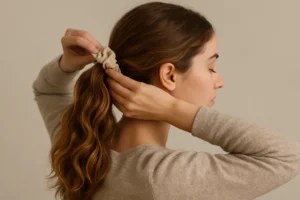
Rough elastics, metal clips without protective coating, and tight accessories can all contribute to mechanical damage over time. Opt for fabric-covered elastics and gentler accessories where possible.
Protect Hair from Sun and Environmental Damage
A UV-protecting spray or simply wearing a hat during extended sun exposure can help minimize environmental wear on your hair’s cuticle.

Sleep on Silk or Satin
Cotton pillowcases create friction against hair overnight, which can contribute to mechanical damage and splitting over time, particularly for longer hair that has more surface area in contact with the pillow. A silk or satin pillowcase, or a loose braid secured with a soft scrunchie before bed, can help reduce this friction.

Deep Condition Regularly
Regular deep conditioning treatments help maintain the hair’s moisture balance, making it more resilient and less prone to the dryness that often precedes splitting.
How to Manage Existing Split Ends Until Your Next Trim
- Use a split-end-specific serum or cream. These products temporarily smooth the appearance of splits using silicones or similar ingredients, making hair look tidier between trims.
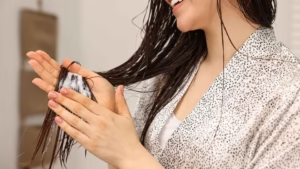
- Apply a leave-in conditioner or hair oil to the ends. This adds moisture and slip, which can help minimize how noticeable existing splits appear.
- Avoid excessive heat on already-split ends. Since the area is already compromised, additional heat exposure can worsen the surrounding area more quickly.
- Consider a protective style if you’re trying to stretch time between trims, since tucking away your ends reduces the friction and manipulation that can worsen existing splits.
Types of Split Ends
Not all split ends look the same, and knowing the difference can help you understand how urgently a trim is needed:
- Basic splits are the most common type, where the hair simply divides into two strands at the very tip, resembling a Y shape.
- Double or triple splits occur when the hair divides into three or more separate strands rather than just two, often indicating the damage has progressed further than a basic split.
- Tree splits branch off in multiple directions partway up the strand, resembling a small tree, and typically signal more significant, longer-standing damage.
- Feather splits involve the hair fraying into many thin, feather-like strands rather than a clean division, often seen in very dry or severely damaged hair.
- Knots (single-strand knots) aren’t technically split ends, but often appear alongside them and are caused by similar factors like dryness and friction, particularly in curly and coily hair types.
Recognizing more advanced split types (like tree or feather splits) can be a good signal that a trim shouldn’t wait, since these often indicate damage that will only continue to worsen.
How Often Should You Trim to Prevent Split Ends?
Most hair care professionals recommend a trim every 8-12 weeks, though this can vary based on your hair’s specific needs, how quickly you tend to develop split ends, and your styling habits. Hair that’s regularly heat-styled or chemically processed may benefit from trims on the more frequent end of this range, while hair that sees less manipulation may be able to stretch slightly longer between appointments.
Frequently Asked Questions About Split Ends
Can I cut my own split ends at home? While it’s possible to trim visible split ends at home with sharp hair-cutting shears, it’s easy to miss less obvious splits or cut unevenly without professional training, so a salon trim is generally recommended for the most thorough and even result.
Do split ends spread if left untreated? Yes — if left untrimmed, a split can continue traveling further up the hair shaft over time, eventually requiring a more significant cut than if it had been addressed earlier.
Are split ends more common with certain hair types? Split ends can occur on any hair type, though very dry, curly, coily, or chemically processed hair tends to be more prone to them due to the additional structural stress these hair types and treatments often involve.
Do split-end repair products actually work? They can meaningfully improve the appearance and manageability of split ends in the short term by smoothing the area, but they don’t repair the underlying structural damage — only a trim can permanently address existing split ends.
How can I tell if I have split ends? Split ends are often visible simply by examining your ends closely, sometimes appearing as a Y-shaped fork at the tip of the strand. Running your fingers along a section of hair from root to tip can also help you feel for any noticeably weaker or frayed areas.
Does hair grow faster if I get rid of split ends? Trimming split ends doesn’t affect how quickly hair grows from the scalp, but it does prevent the breakage that can make hair appear to grow more slowly than it actually is, since damaged ends often break off before reaching their full potential length.
Final Thoughts
Split ends are one of those hair concerns that can’t be fully undone once they appear, but a consistent combination of regular trims, gentler handling, and reduced heat exposure can significantly cut down on how often they develop in the first place. Pair prevention with the right smoothing products to manage existing splits, and you’ll keep your ends looking healthier and more polished between salon visits.
Loved this guide? Save it to Pinterest so you have these prevention tips ready to reference anytime.
Looking for more hair health tips? Check out our guides on How to Repair Heat-Damaged Hair and DIY Hair Masks for Dry, Damaged Hair for more ways to keep your ends healthy.