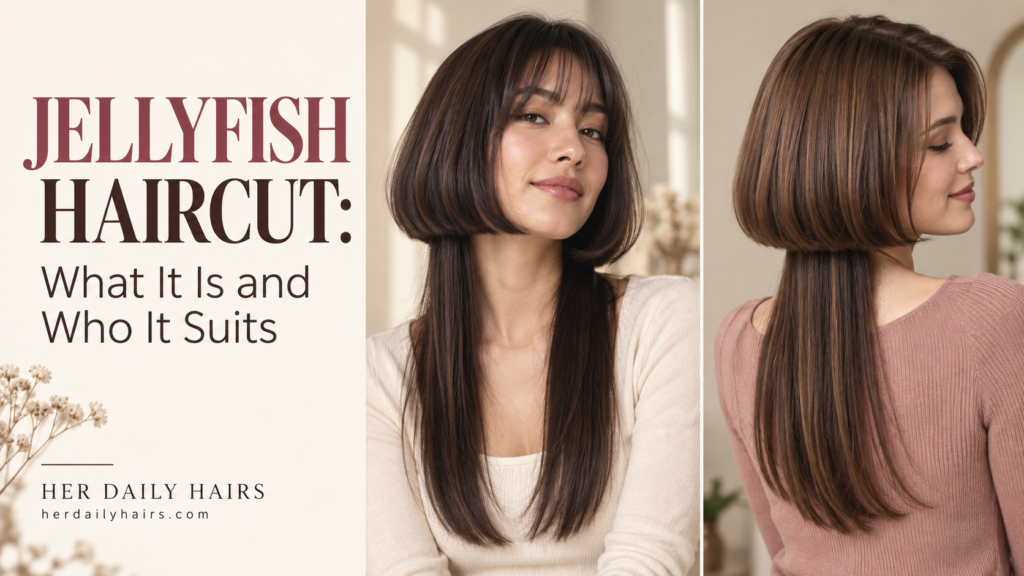
If you’ve noticed a wave of dramatic, top-heavy haircuts flooding your For You page lately, there’s a good chance you’ve seen the jellyfish haircut — one of the fastest-rising viral cuts of 2026. Named for its distinctive silhouette (long, flowing layers on top with much shorter, wispy layers underneath, resembling a jellyfish’s tentacles), this cut has quickly become one of the most requested styles at salons this year.
This guide breaks down exactly what a jellyfish cut hair style involves, where it came from, who it tends to flatter, and what to expect if you’re considering asking your stylist for it.
What Is a Jellyfish Haircut?
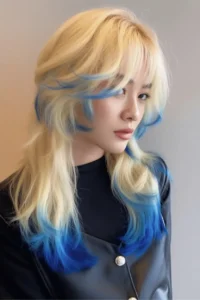
The jellyfish haircut is characterized by two distinct layers: a long, relatively untouched top layer that falls past the shoulders, and a much shorter, heavily textured under-layer cut close to the neck. The dramatic contrast between these two lengths creates the “jellyfish” effect — long strands flowing down like tentacles, with a shorter, rounded shape underneath.
Key characteristics include:
- A long top layer, often left minimally layered to preserve length and a dramatic drape
- A short, textured under-layer, sometimes cut as short as chin-length or shorter, depending on the desired intensity
- A rounded, blunt-ish shape underneath, contributing to the “bell” or “dome” silhouette the cut is named for
- Heavy texturizing throughout the shorter sections to enhance movement and volume
Where Did the Jellyfish Haircut Come From?
Like many viral hair trends, the jellyfish haircut gained momentum through social media, with stylists and influencers sharing dramatic before-and-after transformations showcasing the striking contrast between the long top layer and short under-layer. Its visual impact — especially when hair is flipped or moved, revealing the shorter layers underneath — made it particularly well-suited to short-form video content, contributing significantly to its rapid spread.
Who Does the Jellyfish Haircut Suit?
Hair Type and Texture
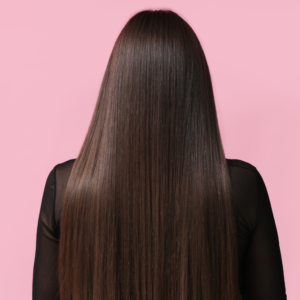
This cut tends to work particularly well on hair with some natural volume or texture, since the layering relies on movement to create its signature silhouette. Very fine, straight hair can still work with this cut, but may require more styling effort (like curling or adding texture spray) to achieve the same dramatic effect.
Hair Length
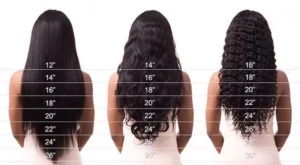
Because the style depends on significant length contrast, it generally works best on hair that’s at least mid-back length or longer, allowing enough room for the shorter under-layer to be dramatically different from the top.
Face Shape
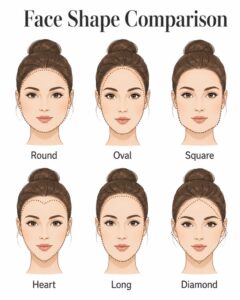
The jellyfish haircut’s volume is concentrated at the crown and sides rather than directly framing the face, which tends to make it a flexible option across a range of face shapes. That said, those wanting to specifically balance a wider forehead or narrower chin may want to discuss customized layering placement with their stylist to ensure the cut still serves those individual goals.
Lifestyle and Maintenance Preference
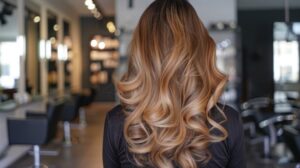
This cut requires a bit more upfront commitment than more subtle layering styles, since the dramatic short-to-long contrast is a defining, noticeable feature rather than something you can easily grow out without a visible transition period.
How to Ask Your Stylist for a Jellyfish Haircut
- Bring reference photos. Since the exact placement and length of the shorter under-layer varies significantly between individual jellyfish haircuts, showing your stylist specific examples helps communicate exactly how dramatic you want the contrast to be.
- Discuss how short you want the under-layer. Some versions keep the shorter layer at a moderate length for a subtler effect, while more dramatic versions go quite short, closer to the nape.
- Talk about texture and movement. Since this cut relies heavily on visible layering and texture, ask your stylist about texturizing techniques (like point-cutting or razor-cutting) to enhance the effect.
- Consider your hair’s natural texture. If you have very fine or straight hair, ask your stylist how they’d recommend styling the cut day-to-day to maintain its signature volume and movement.
Styling Tips for a Jellyfish Haircut
- Curl the ends of both layers to enhance movement and make the contrast between long and short sections even more visually striking.
- Use a volumizing mousse at the roots of the shorter under-layer to help it maintain its shape and fullness throughout the day.
- Experiment with half-up styles that showcase the shorter layers underneath while keeping the long top layer flowing.
- Add texturizing spray to the ends of the shorter layer specifically, since this section benefits most from added definition and piece-y texture.
Products That Help Maintain the Jellyfish Look
A few product categories can help you get the most out of this cut day to day:
- A texturizing spray or sea salt spray applied to the shorter under-layer enhances the piece-y, defined look that makes the contrast between the two lengths pop.
- A volumizing mousse or root spray, used at the base of the shorter layer, helps it hold its shape and fullness throughout the day rather than falling flat.
- A lightweight curling wand, used on both the long and short sections, adds movement that enhances the overall jellyfish silhouette, particularly for straighter hair types.
- A shine serum applied sparingly to the top layer keeps the longer strands looking healthy and glossy without weighing down the volume built into the shorter under-layer.
Maintaining a Jellyfish Haircut
Because this cut relies on a dramatic length contrast, regular trims — typically every 6-8 weeks — help maintain the intended silhouette as hair grows out and the two layers naturally start to blend together. Skipping trims for too long can gradually soften the dramatic effect that makes this cut distinctive in the first place.
Jellyfish Haircut vs. Other Trending Layered Cuts
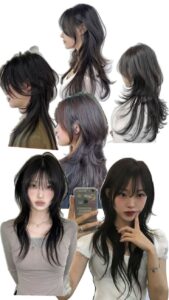
With so many layered haircut trends circulating, it can help to understand how the jellyfish cut compares:
- Vs. the shag: A shag distributes choppy layers evenly throughout the hair for an overall textured look, while the jellyfish haircut concentrates its drama into two distinct sections — a long top and a short, rounded under-layer.
- Vs. the wolf cut: The wolf cut combines elements of a shag and a mullet, with heavy layering and volume throughout, but without the specific long-over-short “bell” silhouette that defines the jellyfish cut.
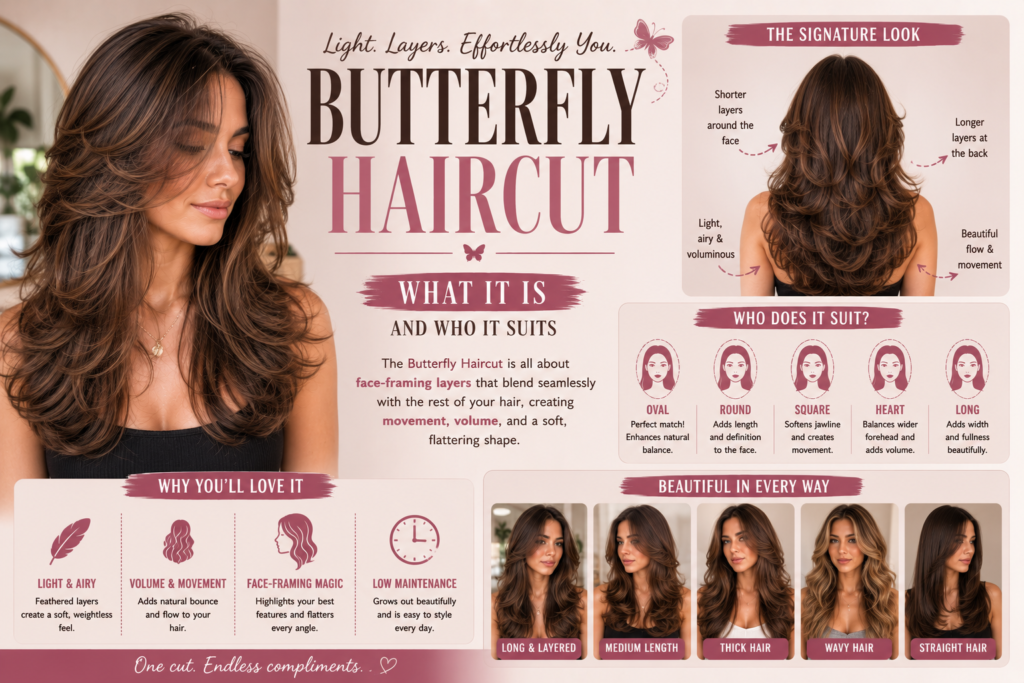
- Vs. the butterfly cut: The butterfly haircut also uses heavy layering to create movement and volume, but tends to distribute its shorter layers more gradually throughout the length rather than creating one dramatic, concentrated contrast point.
Understanding these distinctions can help you communicate more precisely with your stylist if you’re trying to describe a specific look versus a related but different trending cut.
Pros and Cons of the Jellyfish Haircut
Pros:
- Dramatic, eye-catching silhouette that stands out from more common layering styles
- Adds noticeable volume and movement, especially for finer hair types
- Works on a wide range of face shapes due to its crown-focused volume placement
Cons:
- Requires more frequent trims to maintain the dramatic contrast between layers
- Not easily reversible without significant additional cutting if you decide you don’t like it
- May require more daily styling effort for straight or fine hair types to achieve the full intended effect
Frequently Asked Questions About the Jellyfish Haircut
Is the jellyfish haircut the same as a shag? Not exactly — while both styles use heavy layering, a shag typically distributes layers more evenly throughout the hair, while a jellyfish haircut creates a much more dramatic, concentrated contrast between one long layer and one significantly shorter layer.
Can I get a jellyfish haircut on shorter hair? It’s possible, but the dramatic effect this cut is known for typically requires more length to work with, so those with shorter hair may want to grow out their length somewhat before committing to the full version of this style.
How often do I need to trim a jellyfish haircut? Most people need a trim every 6-8 weeks to maintain the sharp contrast between the long and short layers, since this distinction can soften noticeably as hair grows out.
Will a jellyfish haircut work on curly hair? Yes — curly hair can actually enhance the dramatic, voluminous effect this cut is known for, since natural curl pattern adds extra movement and texture to both layers.
Is the jellyfish haircut a passing trend or here to stay? As with most viral cuts, it’s difficult to say for certain, but the style’s dramatic visual impact and adaptability across hair types suggest it may have more staying power than some more niche trends, at least through the immediate future.
Can I try a more subtle version of the jellyfish haircut? Yes — many stylists offer a toned-down version by keeping the under-layer only moderately shorter than the top, rather than going for the most dramatic possible contrast. This allows you to test the concept before committing to a bolder version at a later appointment.
Final Thoughts
The jellyfish haircut proves that sometimes the most viral trends are viral for a reason — this dramatic, layered cut delivers a genuinely eye-catching silhouette that photographs and moves beautifully. If you’re drawn to bold, statement-making cuts and have the length to work with, this trend is worth discussing at your next salon appointment.
Loved this guide? Save it to Pinterest so you have it ready for your next haircut consultation.
Looking for more trending cuts? Check out our guide on Butterfly Haircut: What It Is and Who It Suits and Hair Color Trends: What’s In This Year for more of this year’s most talked-about looks.