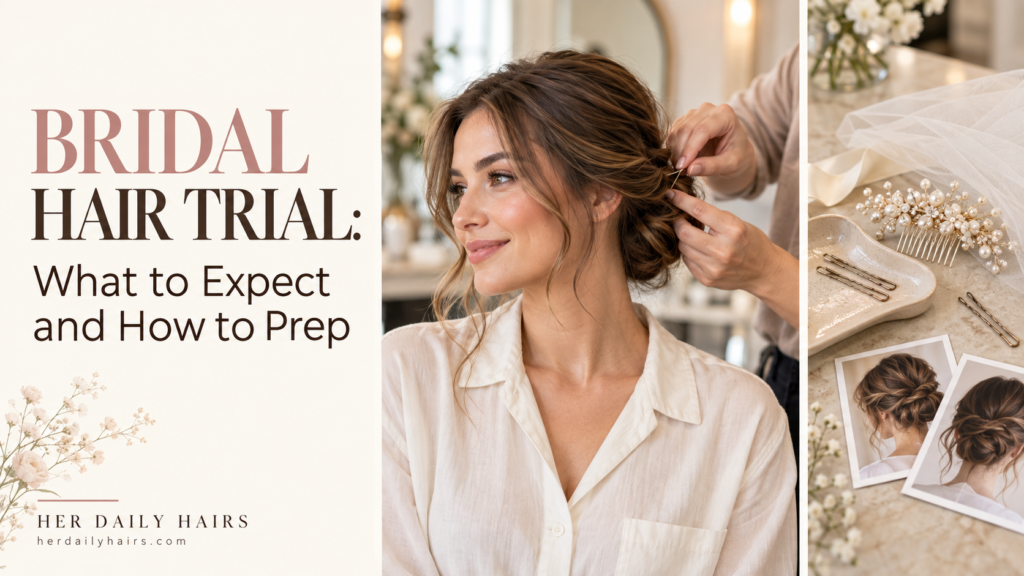
A bridal hair trial is one of those wedding planning steps that’s easy to underestimate until you’re actually sitting in the chair, realizing you have no idea what to bring or ask. These bridal hair trial tips are designed to walk you through exactly what this appointment involves, so you can show up prepared and walk away with a style you’re genuinely confident about on your wedding day.
Whether this is your first time hearing about a wedding hair trial or you’re simply looking for a more thorough checklist before your appointment, this guide covers everything from timing to what to bring to the questions worth asking your stylist.
What Is a Bridal Hair Trial?
A bridal hair trial is a practice appointment, typically scheduled weeks or months before the wedding, where your stylist creates your intended wedding-day hairstyle so you can see exactly how it will look, feel, and hold up before committing to it on the actual day. It’s essentially a dress rehearsal for your hair, giving both you and your stylist a chance to troubleshoot and refine the look well before there’s any pressure of an actual event.
Why a Bridal Hair Trial Matters
- It removes wedding-day uncertainty. Rather than hoping a style works based on a single reference photo, you get to see and feel the finished look in person ahead of time.
- It allows for adjustments. If something about the style doesn’t feel quite right, a trial gives you and your stylist time to problem-solve before the wedding itself.
- It helps confirm timing. Your stylist can get a sense of how long the style actually takes to create, which is important information for building your wedding-day schedule.
- It builds trust and communication. Meeting your stylist ahead of time, rather than for the first time on your wedding morning, helps ensure smoother communication and fewer surprises.
When to Schedule Your Bridal Hair Trial
Most hair trials are scheduled 1-3 months before the wedding, giving you enough time to make any adjustments or, if needed, try a different stylist, without being so far out that your hair length or color might change significantly before the big day. Many people also choose to schedule their trial around the same time as a dress fitting or engagement photos, so they can see the hairstyle alongside other finalized wedding details.
What to Bring to Your Bridal Hair Trial
- Reference photos of the specific style (or styles) you’re considering, including different angles if possible.
- Your veil, headpiece, or any hair accessories you plan to wear, since these can significantly affect how a style needs to be constructed.
- A photo of your dress, particularly the neckline, since this often influences which hairstyles will look most balanced and flattering with your overall look.
- Any hair extensions you plan to use on the wedding day, so your stylist can incorporate and test them during the trial.
- A list of questions you want to cover, so you don’t forget anything important in the moment.
What to Expect During the Appointment
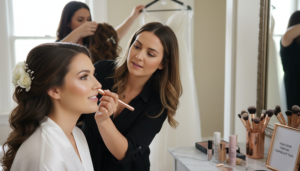
A typical bridal hair trial appointment can take anywhere from one to two hours, depending on the complexity of the style and how much back-and-forth adjustment is needed. Your stylist will typically start by discussing your vision, then create the style step by step, checking in with you throughout the process. Many stylists take photos throughout the appointment for reference, and some encourage you to take photos too, especially from angles you can’t easily see yourself (like the back of your head).
Questions to Ask During Your Bridal Hair Trial
- How long will this style take to create on the actual wedding day? This helps with building your day-of timeline.
- How well will this style hold up throughout a full day (and night) of events? Ask specifically about your venue’s conditions — outdoor, humid, or particularly long days may require adjustments.
- What products will you use, and are they included in the wedding-day service?
- Can this style accommodate my veil or headpiece being added or removed later in the day? Many brides remove their veil for the reception, so it’s worth confirming the style holds up either way.
- What’s your plan if it rains or the weather is more humid than expected?
- Do you recommend any specific hair prep (washing, not washing, specific products) before the actual wedding day?
How to Evaluate Your Trial Results
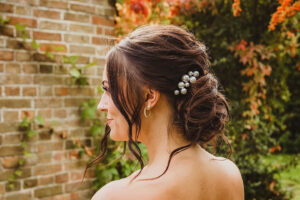
- Take photos from multiple angles, including the back and sides, since you won’t be able to see these yourself on the actual day.
- Test the style’s longevity. If possible, keep the style in for several hours after your trial to see how it holds up, rather than just evaluating it immediately after your stylist finishes.
- Consider how it feels, not just how it looks. A style that looks beautiful but feels overly tight or uncomfortable may not be the best choice for a full day of wear.
- Get a second opinion if you’re unsure. Bringing a trusted friend or family member, or simply sending photos to someone you trust, can help you get clarity if you’re feeling torn.
Red Flags to Watch For
- A stylist who seems rushed or dismissive of your questions and concerns.
- Significant difficulty achieving the style you wanted, without a clear explanation or alternative suggestion from your stylist.
- A style that noticeably falls apart or loses shape within an hour or two of being finished.
- Reluctance to discuss timing, pricing, or what’s included in the wedding-day service.
If you notice any of these during your trial, it may be worth discussing your concerns directly with your stylist or considering whether a different stylist might be a better fit for your wedding day.
Budget Considerations for a Bridal Hair Trial
Bridal hair trials typically come with a separate cost from the wedding-day service itself, so it’s worth asking about pricing upfront before booking. Some stylists offer a discount or credit toward the wedding-day price if you book both together, so it’s worth asking about this when scheduling your trial appointment. Keep in mind that travel fees, extensions, or additional time for more elaborate styles can also affect the total cost, so getting a clear, itemized breakdown during your initial consultation helps avoid any surprises later in the planning process.
How Your Trial Informs Your Wedding-Day Timeline
One of the most practical outcomes of a bridal hair trial is the information it gives you for planning your actual wedding morning:
- Confirmed timing. Once your stylist knows exactly how long your chosen style takes, you can build a more accurate wedding-day schedule, including buffer time for any last-minute touch-ups.
- Order of operations. If you’re also getting makeup done, your trial can help determine whether hair or makeup should happen first, based on how the style is constructed and whether it requires leaning forward or tilting your head significantly.
- Travel and venue logistics. If your stylist is traveling to your venue, confirming setup needs and timing during the trial helps avoid last-minute scrambling on the actual day.
- Coordinating with your wedding party. If your bridesmaids are also getting their hair done, understanding your own trial’s timing can help your planner or coordinator build a realistic schedule for the whole group.
Frequently Asked Questions About Bridal Hair Trials
How far in advance should I book my bridal hair trial? Most people schedule their trial 1-3 months before the wedding, though it’s worth booking the appointment itself even earlier, since popular stylists can book up months in advance during busy wedding seasons.
Can I bring more than one hairstyle idea to my trial? Yes — many stylists are happy to try a couple of different styles within a single trial appointment, especially if you’re torn between a few options, though this may require booking additional time.
What if I don’t love the results of my trial? This is exactly what the trial is for — use the appointment to discuss what isn’t working and explore adjustments, whether that’s a different style altogether or modifications to the one you tried.
Should I wash my hair before a bridal hair trial? Follow your stylist’s specific recommendation, since this can vary depending on the style and your hair type, but many stylists prefer day-old or slightly unwashed hair for better grip and hold.
Do I need a second trial if I’m not happy with the first one? If significant changes are needed, a second trial (sometimes at an additional cost) can be worthwhile for peace of mind, particularly if you’re still unsure about the style heading into your wedding day.
Should I schedule my hair and makeup trials on the same day? Many brides do, since it gives a more complete picture of the overall wedding-day look, and allows you to assess how both elements work together, including whether the hairstyle interferes with makeup application in any way. That said, scheduling them separately is also perfectly reasonable if it’s more convenient for your calendar or budget.
Final Thoughts
A bridal hair trial is one of the most valuable steps in your wedding planning process, offering a genuine opportunity to troubleshoot and perfect your look well before the big day arrives. Coming prepared with photos, accessories, and a clear list of questions helps ensure you leave the appointment feeling confident, rather than simply hoping everything comes together on the actual wedding day.
Loved this guide? Save it to Pinterest so you have it ready as you plan your own bridal hair trial.
Looking for wedding hairstyle inspiration? Check out our guides on 25 Elegant Updo Hairstyles for Weddings and Bridesmaid Hairstyles: 20 Ideas That Complement the Bride for more styles to bring to your trial.