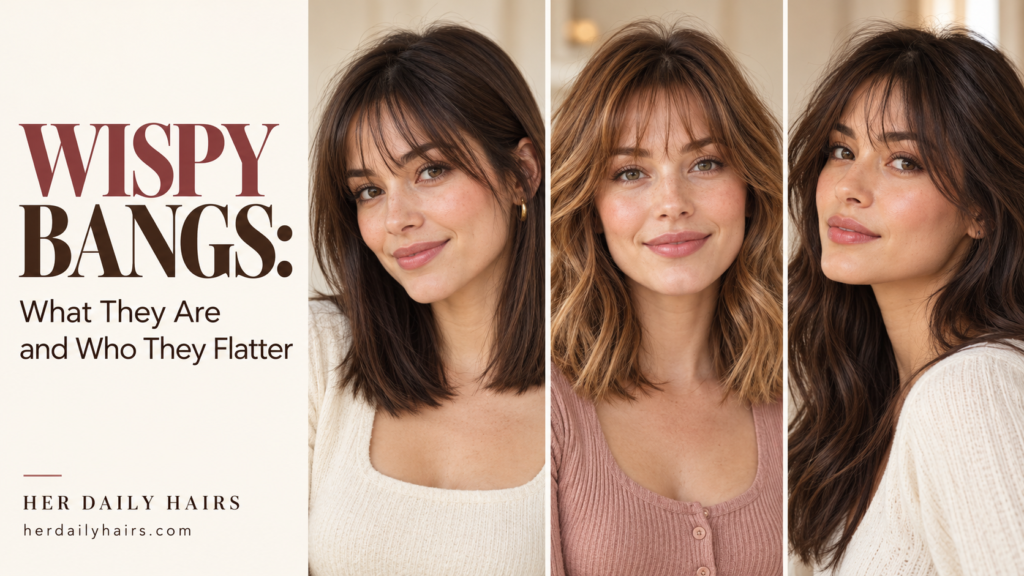
If blunt, heavy fringe has never quite felt like your style, wispy bangs might be the softer, more forgiving alternative you’ve been looking for. Thin, feathered, and deliberately imperfect-looking, this wispy fringe hairstyle has become one of the most requested bang styles for anyone wanting the face-framing benefit of a fringe without the commitment or boldness of a full, blunt cut.
This guide covers exactly what wispy bangs are, how they differ from other popular bang styles, who they tend to flatter, and how to style and maintain them once you’ve got them.
What Are Wispy Bangs?
Wispy bangs are a thin, lightly textured fringe, cut with a razor or point-cutting technique to create soft, feathered pieces rather than one solid, blunt line. Unlike a full, heavy fringe, wispy bangs let more of the forehead show through, giving the overall look a softer, airier feel.
Key characteristics include:
- Thin, see-through texture rather than one dense, solid section
- Feathered, piece-y ends, often achieved with a razor or texturizing shears
- A shorter length than curtain bangs, typically sitting above the brow
- A lower-commitment feel, since the thinner, lighter cut tends to blend more easily as it grows out
Wispy Bangs vs. Curtain Bangs vs. Blunt Bangs
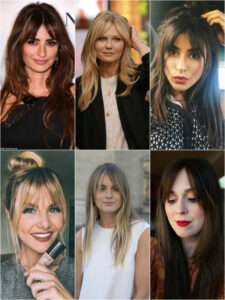
- Wispy bangs are thin, textured, and parted or swept to the sides, sitting shorter and showing more forehead than curtain bangs.
- Curtain bangs are longer, parted down the middle, and swept to either side to frame the face, often blending into the rest of the hair.
- Blunt bangs are cut in one solid, straight line across the forehead, offering the boldest, most dramatic fringe option of the three.
If curtain bangs feel like too much length and commitment, but a full blunt fringe feels too dramatic, wispy bangs often land in a comfortable middle ground — offering some of the face-framing softness of curtain bangs with a bit more of the deliberate, styled definition a blunt fringe provides, without fully committing to either extreme.
Who Do Wispy Bangs Flatter?
Face Shape
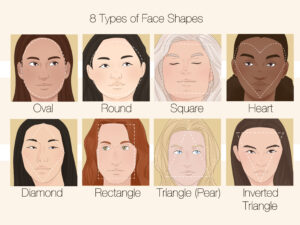
Because wispy bangs are soft and don’t create one heavy, solid line, they tend to flatter a wide range of face shapes, including round, oval, square, and heart-shaped faces, since the feathered texture avoids adding visual weight to any one area.
Hair Type and Texture
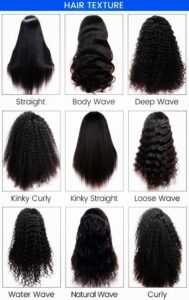
Wispy bangs work particularly well on hair with some natural texture or wave, since the feathered cutting technique relies on movement to look intentional rather than simply thin. That said, straight hair can absolutely wear this style too, often with a bit of extra texturizing product for support.
Forehead Size
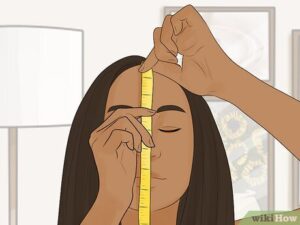
Since wispy bangs let more forehead show through than a fuller fringe, they can be a great option for those wanting to soften a larger forehead without fully covering it, as well as those with smaller foreheads who don’t want an overwhelming amount of fringe.
Lifestyle
This style tends to suit those who want the face-framing benefit of bangs with lower daily maintenance, since the thin, piece-y texture is generally more forgiving of a few days without styling compared to a full, blunt fringe.

How to Ask Your Stylist for Wispy Bangs
- Bring reference photos. Since “wispy” can mean slightly different things depending on the stylist, showing specific examples of the thinness and length you want helps avoid miscommunication.
- Discuss your forehead and face shape. Letting your stylist know how much forehead coverage you’re comfortable with helps them determine the right length and density for your bangs.
- Mention your hair type. Since texture affects how wispy bangs fall and move, being upfront about whether your hair is straight, wavy, or curly helps your stylist adjust the cutting technique accordingly.
- Ask about a trial length. If you’re nervous about committing, some stylists can cut wispy bangs slightly longer at first, allowing you to grow into a shorter version once you’re confident the style works for you.
Products That Help Style Wispy Bangs
A few product categories are particularly useful for this style:
- A lightweight texturizing spray, applied sparingly to the ends, enhances the piece-y, feathered look without weighing the thin strands down.
- A small amount of dry shampoo at the roots can help extend the time between washes, since wispy bangs are prone to looking oily faster than the rest of your hair due to their proximity to your forehead.
- A flexible-hold hairspray helps the style hold its shape throughout the day without looking stiff or overly structured.
- A heat protectant, used whenever styling with a round brush or small curling iron, helps protect this especially fine, frequently-styled section of hair from damage.
How to Style Wispy Bangs
- Use a small round brush while blow-drying to add soft movement and encourage the pieces to fall naturally rather than straight down.
- Apply a small amount of texturizing paste or pomade to the ends to enhance the piece-y, feathered quality central to the style.
- Avoid heavy products. Since wispy bangs are meant to look light and airy, heavier creams or gels can weigh them down and reduce their signature softness.
- Use a cool shot from your blow dryer to help set the shape once styled, particularly helpful for keeping the bangs looking fresh throughout a humid day.
Growing Out Wispy Bangs
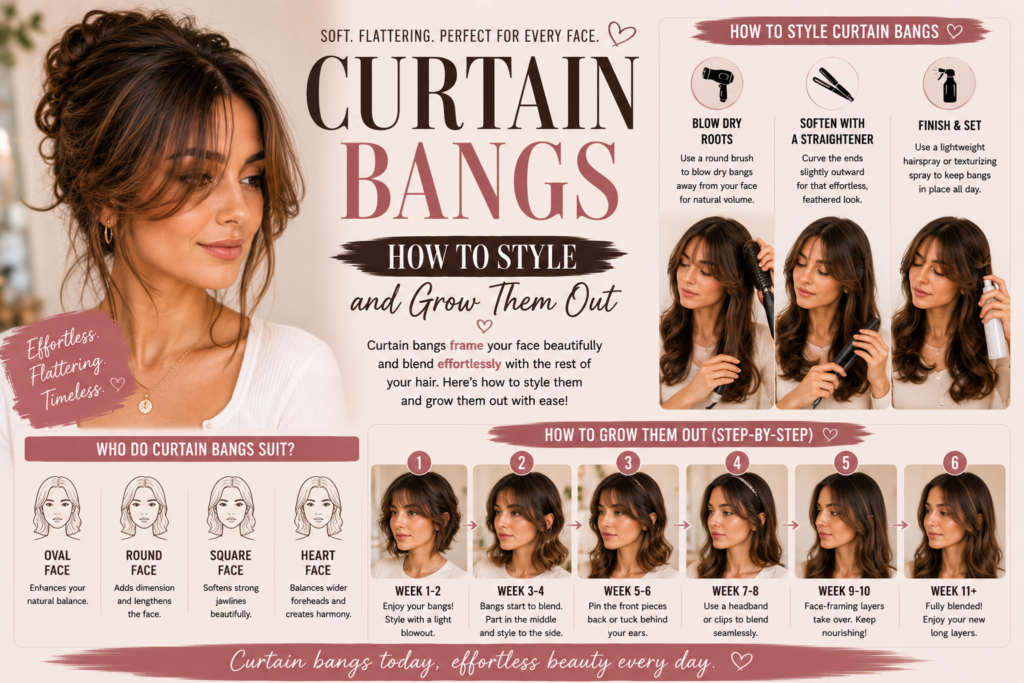
One of the biggest advantages of this style is how easily it grows out compared to a full, blunt fringe. Because the hair is thin and feathered rather than one dense section, wispy bangs tend to blend more naturally into the rest of your length as they grow, often requiring less drastic intervention than growing out a heavier fringe. Many people find they can simply tuck the growing pieces behind their ears or incorporate them into a side part during the transition, rather than needing pins or clips the way a fuller, heavier fringe often requires.
Maintaining Wispy Bangs
Because this style relies on precise, thin sectioning, trims every 3-4 weeks help maintain the intended shape and length. Many people find they can trim their own wispy bangs at home between salon visits using sharp hair-cutting shears, given how thin and forgiving the style tends to be.
Frequently Asked Questions About Wispy Bangs
Are wispy bangs high maintenance? Generally less so than a full, blunt fringe, since the thin, feathered texture is more forgiving day-to-day and blends more naturally as it grows, though regular trims are still needed to maintain the shape.
Do wispy bangs work on curly hair? Yes, though curl pattern will influence exactly how the bangs fall and move. Many people with curly hair choose to have their wispy bangs cut slightly longer to account for shrinkage once the curl pattern sets in.
Can I cut wispy bangs myself at home? It’s possible, given how thin and forgiving the style tends to be, but starting with a professional cut and only trimming lightly at home between appointments tends to produce more consistent, polished results.
How short are wispy bangs compared to curtain bangs? Wispy bangs are typically cut shorter, often sitting just above the brow, while curtain bangs are longer and designed to blend into the sides of the face rather than sitting as a distinct, shorter fringe.
Will wispy bangs suit a smaller forehead? Yes — because they’re thin and show quite a bit of forehead, wispy bangs tend to work well on smaller foreheads without looking overwhelming the way a fuller, heavier fringe sometimes can.
Do wispy bangs require more daily styling than other bang types? Generally less, since their thin, piece-y texture is designed to look intentional even when slightly undone, unlike a full, blunt fringe that often needs more precise daily styling to look polished.
Can I pair wispy bangs with any haircut, or do they work better with specific styles? Wispy bangs are quite versatile and can be paired with nearly any haircut, from a shag or wolf cut to a simple long layered style, since their soft, feathered quality tends to complement rather than compete with other layering throughout the hair.
Final Thoughts
Wispy bangs offer a genuinely flexible middle ground in the world of fringe styles — soft and face-framing without the commitment or boldness of a full, blunt cut. If you’ve been hesitant about bangs in the past, this lower-maintenance, more forgiving option is worth bringing up at your next salon appointment.
Loved this guide? Save it to Pinterest so you have it ready for your next haircut consultation.
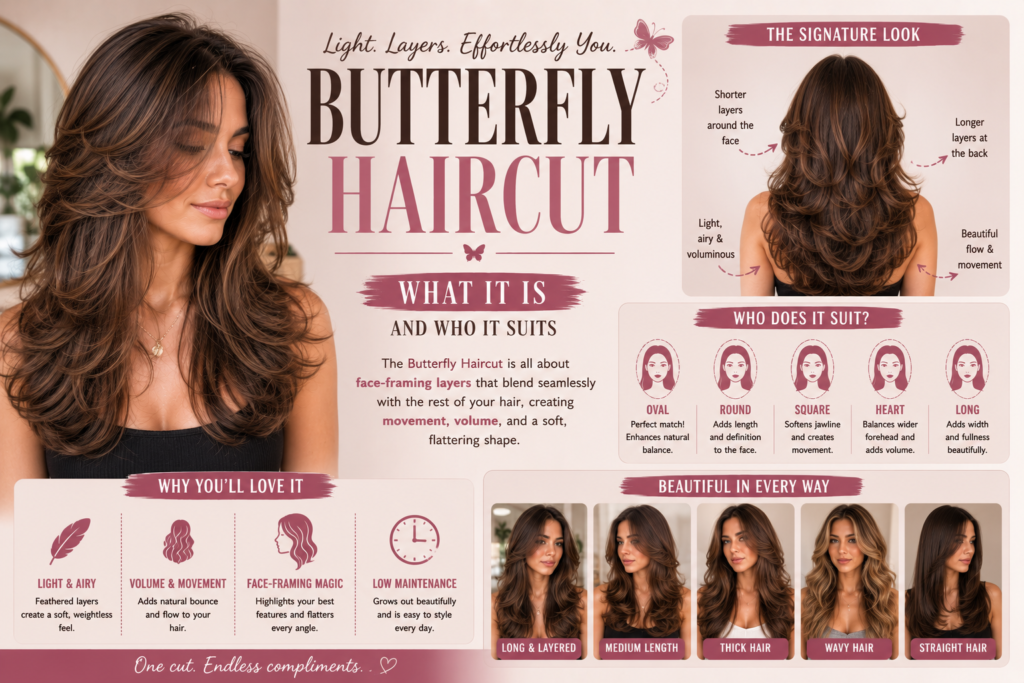
Looking for more bangs inspiration? Check out our guide on Curtain Bangs: How to Style and Grow Them Out and Shag Haircut Guide: Modern Ways to Wear It in 2026 for more ways to frame your face with your next cut.