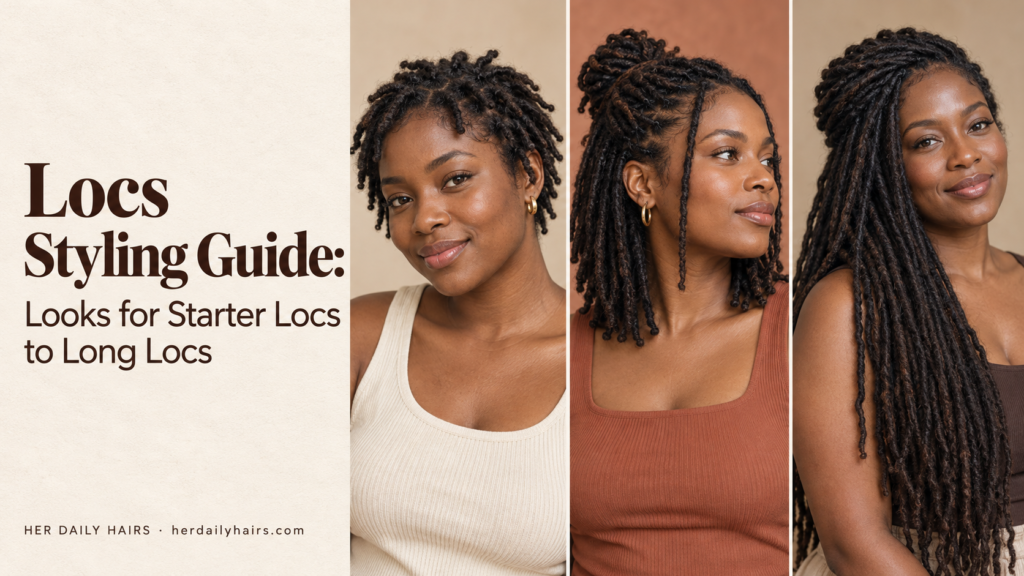
Locs are one of the most rewarding hair journeys to commit to, but they also come with a learning curve that changes as your hair progresses. What works beautifully on freshly installed starter locs often isn’t practical — or even possible — on long, mature locs several years down the road. This complete locs styling ideas guide breaks down exactly what to expect and how to style your hair at every stage, so you’re never stuck wondering what to do with your hair as it grows and changes.
Whether you’re just a few weeks into your starter locs journey or years into fully mature, waist-length locs, this guide covers the specific styling options, maintenance needs, and product considerations that actually apply to where your hair is right now.
Understanding the Loc Journey: The Four Main Stages
Before diving into styling specifics, it helps to understand the general stages locs go through, since the “right” style for your hair really depends on which stage you’re in:
- Starter locs (0-6 months) — freshly installed, still loose at the root, and prone to unraveling if handled roughly.
- Budding/teenage locs (6 months-2 years) — starting to lock more securely, but often going through an awkward, frizzy phase as the hair transitions.
- Mature locs (2-5+ years) — fully locked, dense, and much sturdier, allowing for more styling versatility.
- Long locs (5+ years, length-dependent) — locs long enough to be gathered, braided, or styled into elaborate updos.
Keep in mind that timelines vary significantly based on hair texture, the installation method used, and how well the locs are maintained, so these ranges are general guidelines rather than fixed rules.
Styling Ideas for Starter Locs
Starter locs require the gentlest handling of any stage, since the hair hasn’t fully locked yet and is more prone to unraveling under tension or manipulation.
1. Simple Retwist and Wear Down
The most basic starter loc style is simply keeping them freshly retwisted and wearing them loose. This requires the least manipulation and is often recommended as the default approach during the earliest weeks.
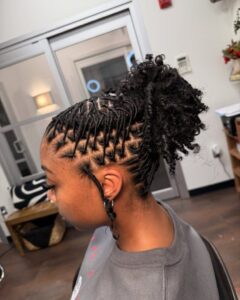
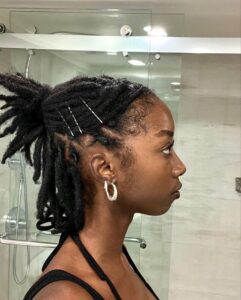
2. Loc Updo with Bobby Pins
Gathering starter locs into a simple, loose updo secured with bobby pins (rather than tight elastics) offers a protective option without putting excessive tension on the still-forming locs.
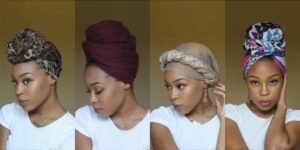
3. Headwrap or Scarf Styles
Since starter locs are often shorter and less versatile for elaborate styling, a headwrap or turban-style scarf offers a stylish way to change up your look while protecting fragile new growth underneath.
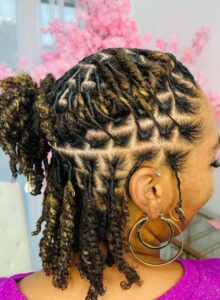
4. Accessorized Starter Locs
Small clips, thin headbands, or decorative pins can add personality to starter locs without requiring any manipulation of the locs themselves.
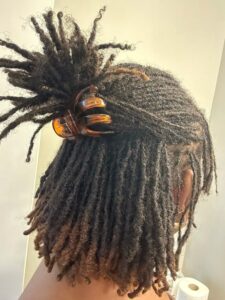
5. Half-Up Starter Locs
If your starter locs have enough length, a simple half-up style — securing just the top section loosely — offers a bit of versatility while keeping tension to a minimum.
Styling Ideas for Budding (Teenage) Locs
This stage is often considered the most challenging, as locs can look frizzy, uneven, or “in-between” while the hair transitions toward full maturity.
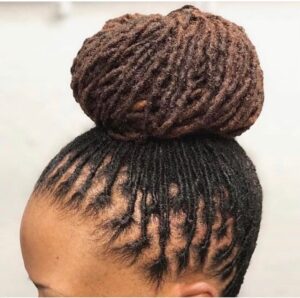
6. Loc Bun
Once locs have enough length and are secure enough to handle gentle gathering, a simple bun (secured loosely to avoid excess tension) is one of the most practical, everyday-friendly options during this stage.
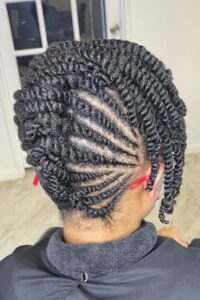
7. Two-Strand Twist Updo
Grouping several locs together into larger, loose two-strand twists before pinning them up can help disguise the frizzier texture common during the budding stage while adding some visual polish.
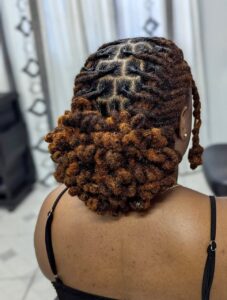
8. Braided Loc Style
For locs with enough length and flexibility, incorporating them into a loose braid (rather than a tight, structured braid pattern) can help manage frizz and add texture to an otherwise awkward growth phase.
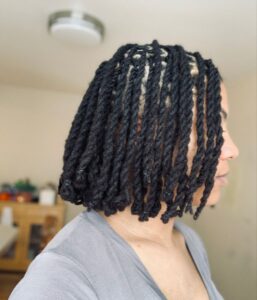
9. Faux Bob with Pinned Locs
Pinning up the ends of your locs to create the illusion of a shorter, bob-length style is a popular trick during the budding stage, especially for those who want to experiment with length without commitment.
10. Root Accessories
Loc jewelry, cuffs, and wraps placed near the root (rather than requiring length or maturity to hold a specific shape) offer decoration options that work well regardless of how “in-between” your locs currently look.
Styling Ideas for Mature Locs
Once locs are fully mature, they become significantly more durable and versatile, opening up a much wider range of styling options.
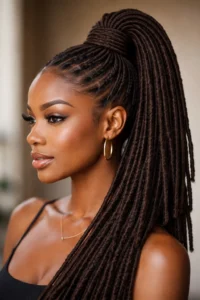
11. High Loc Ponytail
A high, gathered ponytail is one of the most popular mature loc styles, offering a bold, sporty look that works well for both everyday wear and more polished occasions.
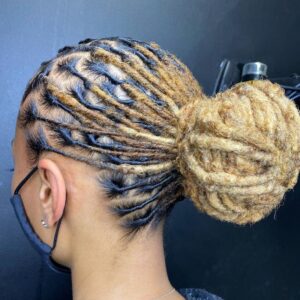
12. Low Loc Bun
A sleek, low bun offers a more polished, professional option for mature locs, particularly useful for work settings or formal events.
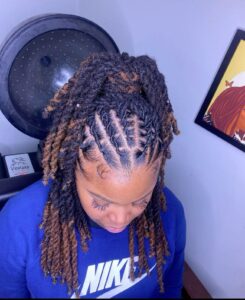
13. Half-Up Loc Style
Gathering just the top section of mature locs into a half-up style, while leaving the rest down, balances style versatility with the practicality of keeping hair out of your face.
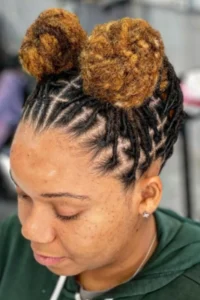
14. Loc Updo with Wrapped Sections
Wrapping a few loose locs around a bun or ponytail’s base is a simple way to add a polished, finished detail to an otherwise basic gathered style.
15. Pipe Cleaner Curls on Locs
Using pipe cleaners to curl the ends of mature locs offers a heatless way to add texture and a softer, more finished look to an otherwise straight-hanging style.
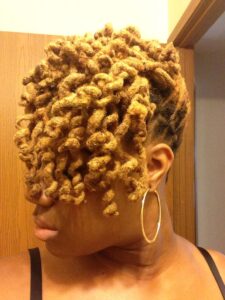
16. Loc Faux Hawk
Pinning the sides of mature locs down and leaving a raised section down the center creates a bold, edgy faux hawk look that works particularly well for special occasions or statement styling.
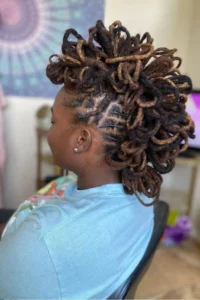
Styling Ideas for Long Locs
With significant length to work with, long locs open up the most elaborate and varied styling possibilities.
17. Braided Loc Crown
Incorporating long locs into a braided style that wraps around the head like a crown creates an elegant, formal look well-suited to weddings or special events.
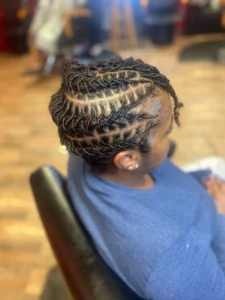
18. Loc Ponytail with Wrapped Base
A long, high or low ponytail with a section of locs wrapped around the base for a polished finish is one of the most versatile long-loc styles, working for both everyday wear and dressier occasions.
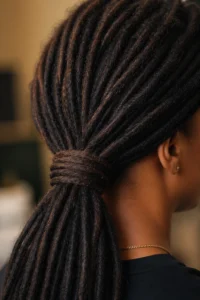
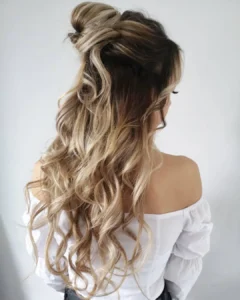
19. Half-Up Top Knot
Gathering the top section of long locs into a bun while leaving the rest down combines two popular styling approaches into one versatile, everyday-appropriate look.
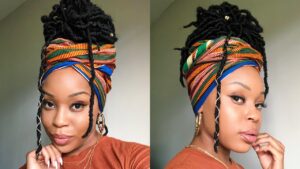
20. Loc Updo with Decorative Wraps
Long locs offer plenty of surface area for decorative fabric wraps, beads, or cuffs, making elaborate, personalized updos one of the signature styling opportunities available at this stage.
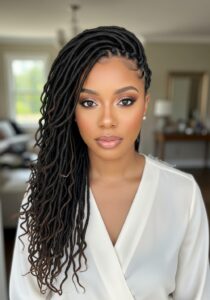
21. Side-Swept Long Locs
Sweeping all of your locs over one shoulder creates a dramatic, elegant look that shows off length and works particularly well for photos or special occasions.
Product Considerations by Loc Stage
The products that work best for your locs often shift as your hair progresses through each stage:
- Starter locs generally benefit from lightweight gels or locking creams applied sparingly, since heavier products can weigh down thin, still-forming sections and slow the locking process.
- Budding locs often need a bit more moisture-focused product, since this stage tends to bring more dryness and frizz as the hair structure changes internally.
- Mature locs can typically handle richer oils and butters without issue, since the hair is fully locked and less prone to unraveling from product buildup.
- Long locs may benefit from lighter product application overall, simply due to the increased surface area — using too much product across very long locs can lead to buildup that’s harder to fully rinse out.
Regardless of stage, it’s worth periodically reassessing your product routine, since what worked well during the starter phase may no longer suit your hair once it matures.
General Loc Maintenance Tips by Stage
- Retwist frequency should ease up over time. Starter locs are often retwisted every 4-6 weeks, but many people extend this to 6-8 weeks or longer as locs mature, since overly frequent retwisting can thin the hair at the root over time.
- Moisturize consistently at every stage. Locs, especially as they mature and thicken, can be prone to dryness, making regular moisturizing with a lightweight oil or leave-in spray important throughout the entire journey.
- Protect at night regardless of stage. A satin or silk scarf or bonnet helps reduce friction and frizz whether you’re a few weeks or several years into your loc journey.
- Be patient with the budding stage. The awkward, frizzy in-between phase is a normal part of the process and doesn’t indicate anything is going wrong — most people find styling options that work with, rather than against, this phase until it passes.
- Cleanse your scalp regularly. Buildup at the scalp can affect how well locs mature and how healthy your hair looks overall, so a consistent (even if less frequent) washing routine matters at every stage.
Frequently Asked Questions About Styling Locs
How soon can I style my starter locs? Very gentle styling (updos, headwraps, accessories) can typically begin within the first few weeks, but anything involving significant tension or manipulation should wait until the locs have had more time to secure themselves.
Why do my locs look frizzy during the budding stage? This is a completely normal part of the loc maturation process, as the hair transitions from individually twisted sections into fully locked, unified strands. Using products designed to smooth frizz and choosing styles that work with the texture (like loose twists or buns) can help manage this phase.
When can I start doing more elaborate updos with my locs? Most people find that mature locs, generally starting around the two-year mark, are secure and flexible enough to handle more elaborate updos, ponytails, and gathered styles without excessive risk of unraveling or damage.
Do locs require less styling maintenance than other protective styles? In some ways, yes — once established, locs don’t require regular reinstallation the way braids or twists do. However, they do require consistent retwisting, moisturizing, and scalp care to stay healthy throughout the journey.
Can I still style my locs if I have very short starter locs? Yes, though options are more limited due to length. Headwraps, small accessories, and simple pinned styles tend to work best for shorter starter locs, with more versatility opening up as length increases.
How do I know which loc stage my hair is in? Starter locs typically still show visible loose or wavy sections and can unravel with rough handling, while budding locs begin to feel more compact but often look frizzy or uneven. Mature locs feel dense and fully sealed with little to no loose hair, and long locs are simply mature locs that have reached significant length — the stage is really more about texture and security than a strict timeline.
Should I change my retwist method as my locs progress? Many people do. Starter locs are often maintained with a specific method chosen at installation (like interlocking, palm rolling, or two-strand twisting), and while it’s possible to switch methods later, doing so mid-journey can sometimes affect how evenly your locs mature, so it’s worth discussing any change with a loctician familiar with your hair’s history.
Final Thoughts
Locs are a long-term journey, and the right styling approach genuinely depends on where you are in that process. From the delicate handling starter locs require to the elaborate updos possible with long, mature locs, this guide is meant to grow alongside your hair — revisit it as your locs progress to find fresh styling ideas suited to exactly where you are right now.
Loved this guide? Save it to Pinterest so you have styling ideas ready and waiting for every stage of your loc journey.
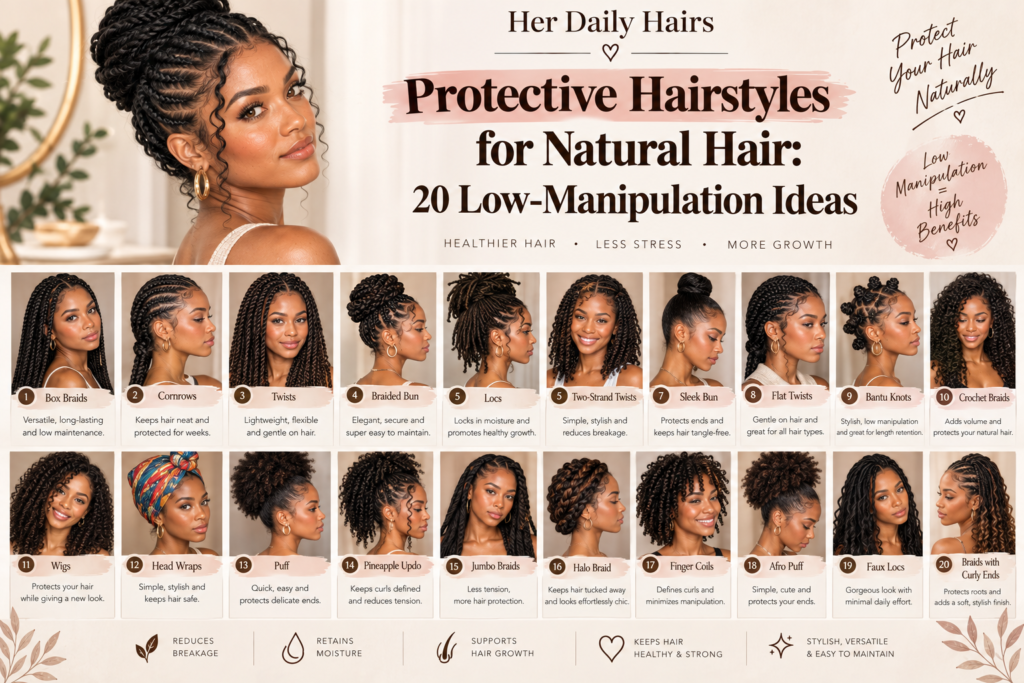
Looking for more protective styling inspiration? Check out our guides on Protective Hairstyles for Natural Hair: 20 Low-Manipulation Ideas and Bantu Knots: How to Do Them and Style the Results for more heatless and low-manipulation styling ideas.