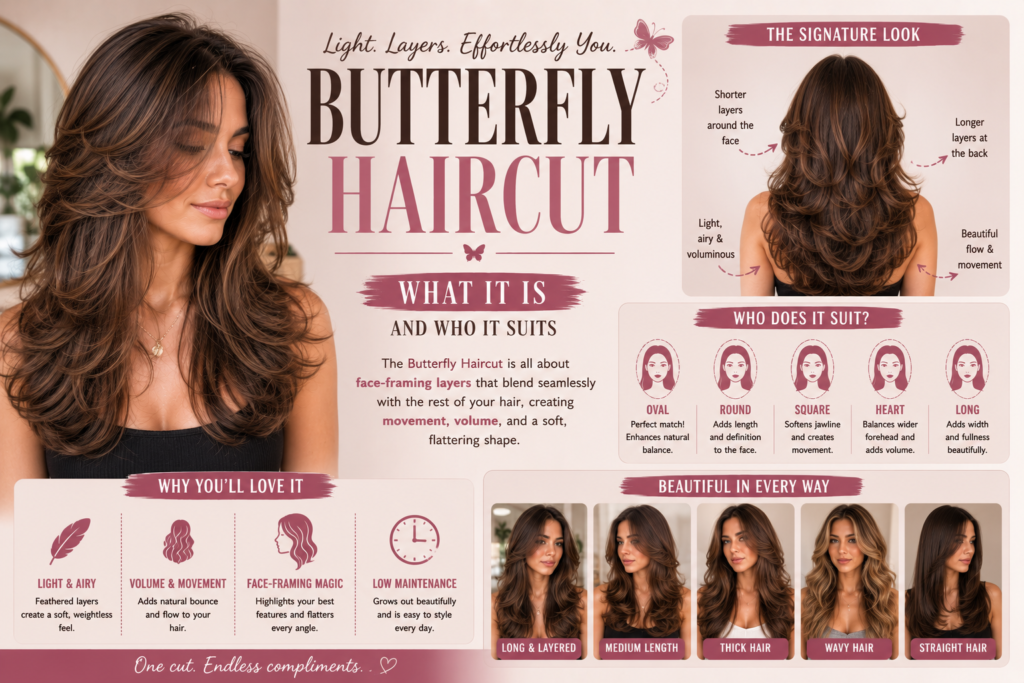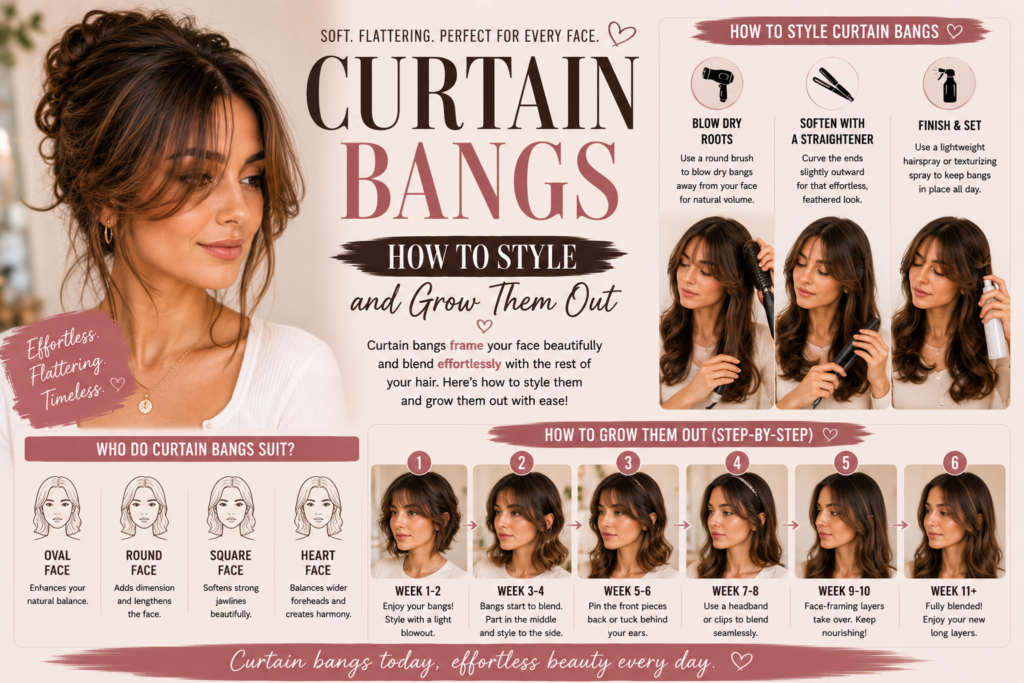
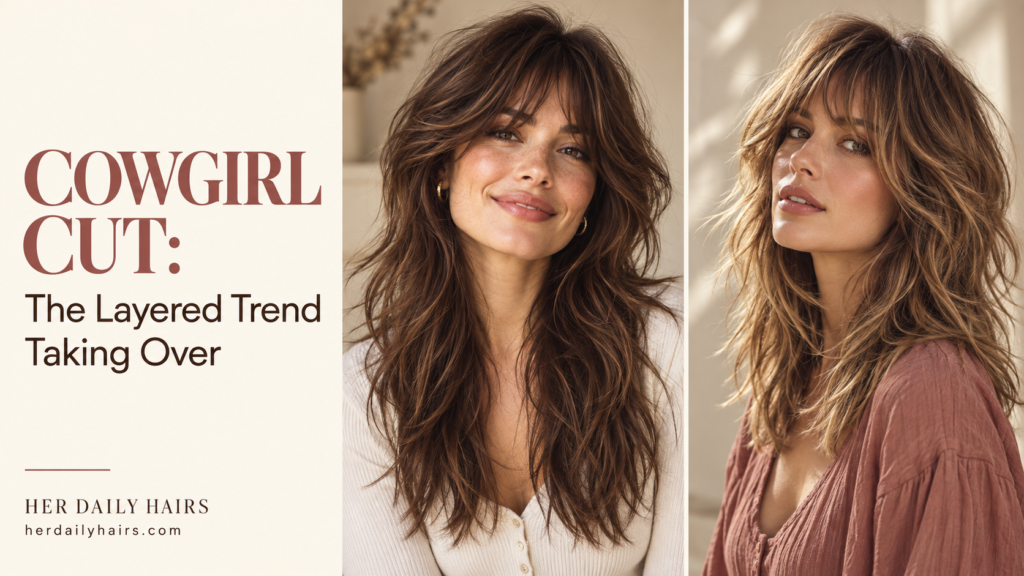
Western-inspired fashion has been having a moment for a while now, and hair trends are finally catching up with the cowgirl cut hair style — one of the standout summer 2026 Pinterest trends. Combining long, feathered layers with a nostalgic, retro-Western feel, the cowgirl cut brings a bit of that lived-in, effortlessly cool aesthetic to modern hair without requiring a dramatic length change or a significant departure from your current style.
This guide breaks down exactly what the cowgirl haircut trend involves, where its aesthetic inspiration comes from, who it tends to flatter, how to ask for it at your next salon appointment, and how to style and maintain it once you’ve got it.
What Is a Cowgirl Cut?
The cowgirl cut is a long, heavily layered haircut characterized by feathered ends, subtle face-framing pieces, and a soft, flipped-out shape reminiscent of 1970s Western-inspired hairstyles. Unlike more dramatic, choppy layered cuts, the cowgirl cut tends to feel a bit softer and more polished, with movement concentrated toward the ends rather than sharp, piece-y texture throughout.
Key characteristics include:
- Long, feathered layers, often starting around the cheekbone or jaw
- Subtle, flipped-out ends, achieved through blow-drying technique or a curling iron
- Soft, face-framing pieces rather than a full, blunt fringe
- A relaxed, slightly retro overall shape, evoking a nostalgic, Western-inspired aesthetic
Where Does the Cowgirl Cut Trend Come From?
The style draws direct inspiration from 1970s hairstyling, particularly the feathered, flipped looks associated with that era’s country and Western fashion influences, think classic album covers and vintage magazine spreads featuring soft, face-framing layers. As broader fashion trends have leaned back into Western aesthetics — think fringe jackets, boots, and vintage denim — hair trends have followed suit, with the cowgirl cut emerging as the hairstyle equivalent of that nostalgic, effortlessly cool sensibility.
Who Does the Cowgirl Cut Suit?
Hair Type and Texture
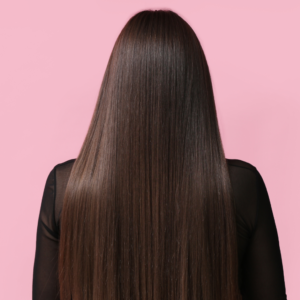
This cut tends to work particularly well on hair with a natural wave or the willingness to style with a curling iron or round brush, since the feathered, flipped-out ends are central to the look. Straight hair can absolutely work, but generally requires more intentional styling to achieve the same effect.
Hair Length
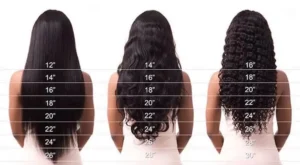
Because feathering relies on layers falling gracefully at various lengths, this cut generally works best on hair that’s at least shoulder-length, allowing enough length for the layers to move and flip properly.
Face Shape
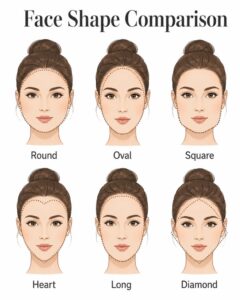
The soft, face-framing layers characteristic of this cut tend to be flattering across a range of face shapes, since the layering can be adjusted to add width near the jaw (helpful for heart-shaped or oval faces) or kept longer for a more elongating effect (often preferred for rounder face shapes).
Personal Style
This cut suits those drawn to a relaxed, slightly retro aesthetic rather than a sharp, editorial look — it pairs particularly well with a broader Western or vintage-inspired personal style, though it works just as well as a standalone haircut choice for anyone simply drawn to the shape itself.
How to Ask Your Stylist for a Cowgirl Cut
- Bring reference photos, ideally showing the specific degree of feathering and flip you’re going for, since this can vary quite a bit between individual interpretations of the trend.
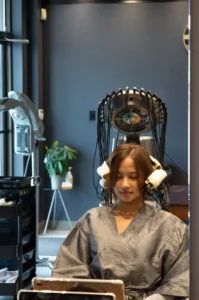
- Discuss your natural texture. Let your stylist know whether you plan to style with heat regularly, since this affects how the layers are cut to achieve the best flipped, feathered effect.
- Talk about face-framing length. Since this cut often includes pieces that hit around the cheekbone or jaw, be clear about how much face-framing you want versus keeping length more uniform throughout.
- Ask about maintenance expectations. Feathered layers can require more frequent trims than some other layered cuts to keep the ends looking intentional rather than simply growing out unevenly.
Styling Tips for a Cowgirl Cut
- Use a round brush while blow-drying to encourage the ends to flip outward, which is central to achieving the cut’s signature shape.
- A curling iron used away from your face (curling the barrel outward rather than inward) enhances the flipped effect if you prefer styling after your hair is already dry.
- Apply a lightweight texturizing spray to enhance movement without weighing down the soft, feathered layers.
- Keep a light hold styling product on hand to help the flipped ends hold their shape throughout the day without looking stiff or overly structured.
Maintaining a Cowgirl Cut
Because this cut relies on precise feathering throughout the length, trims every 6-8 weeks help maintain the intended shape as hair grows out. Skipping trims for too long can cause the feathered layers to blend together and lose the definition central to the style’s signature look. Between appointments, a light trim of just the very ends (sometimes called a “dusting”) can help extend the time before a full layering refresh is needed, particularly if you’re trying to grow out overall length while still keeping the feathered shape looking intentional.
Hair Color Pairings That Enhance a Cowgirl Cut
Since the cowgirl cut leans into a warm, retro aesthetic, certain color choices complement the overall vibe particularly well:
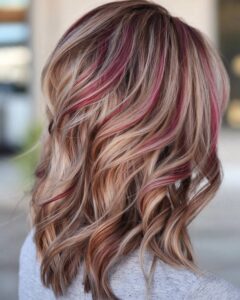
- Warm, sun-kissed balayage enhances the nostalgic, effortlessly lived-in feel the cut is going for, especially when concentrated through the feathered ends.
- Dimensional brunette or bronde tones pair beautifully with the soft, flipped layers, adding richness without looking overly polished or salon-fresh.
- Copper or auburn shades lean further into the Western-inspired aesthetic, echoing the warm, earthy color palette often associated with that broader style movement.
- Face-framing highlights placed specifically around the feathered pieces near the cheekbones add extra brightness and draw attention to the cut’s signature face-framing detail.
Cowgirl Cut vs. Other Trending Layered Cuts
- Vs. the wolf cut: The wolf cut tends to be choppier and more textured overall, with more dramatic crown volume, while the cowgirl cut leans softer and smoother, with movement concentrated at the feathered ends rather than throughout.
- Vs. the shag: A shag typically distributes heavy, piece-y layers evenly throughout the hair, while the cowgirl cut has a more polished, retro feel with less overall choppiness.
- Vs. the jellyfish cut: The jellyfish haircut creates dramatic contrast between one long and one very short layer, while the cowgirl cut maintains a single, gradually layered length throughout with no dramatic short section.
Products That Help Achieve the Cowgirl Cut Look
A few product categories are especially useful for maintaining this style day to day:
- A heat protectant spray is essential given how much this cut relies on regular blow-drying and curling to achieve its signature flip.
- A volumizing mousse applied to damp roots helps support the overall shape before blow-drying, giving the feathered layers something to hold onto.
- A flexible-hold hairspray helps set the flipped ends without making them look stiff or overly structured, preserving the cut’s relaxed, effortless quality.
- A shine spray or serum enhances the warm, sun-kissed feel often associated with the broader Western aesthetic this cut draws from.
Frequently Asked Questions About the Cowgirl Cut
Do I need Western-inspired style to pull off a cowgirl cut? Not at all — while the cut’s aesthetic inspiration comes from Western fashion, the haircut itself works as a standalone style regardless of your broader personal fashion sense.
Can a cowgirl cut work on curly hair? Yes, though the feathered, flipped effect may look somewhat different on naturally curly hair compared to straight or wavy hair, since curl pattern will influence how the layers fall and move.
How often do I need to style a cowgirl cut to maintain the look? While the cut looks great with regular styling (blow-drying with a round brush or curling), it can also be worn with minimal styling for a more relaxed, lived-in version of the same feathered shape.
Is the cowgirl cut similar to a shag? They share some layering principles, but the cowgirl cut tends to be softer and less choppy overall, with a more polished, retro-inspired finish compared to a traditional shag’s piece-y texture.
How much length do I need for a cowgirl cut? Most versions of this cut work best on shoulder-length hair or longer, since the feathering technique relies on enough length for the layers to flip and move properly.
Will a cowgirl cut work with bangs? Yes — many versions of this trend are paired with soft, curtain-style bangs that echo the same feathered, face-framing quality found throughout the rest of the cut, though it works well without bangs too for those who prefer to keep their forehead exposed.
Is the cowgirl cut expected to remain popular beyond 2026? As a revival of a decades-old style, the cowgirl cut has already proven its longevity once, and its lower-maintenance, versatile nature suggests it may have more staying power than more extreme, dramatically layered trends that require constant upkeep to look intentional.
Final Thoughts
The cowgirl cut proves that sometimes the best hair trends are the ones that bring back a bit of nostalgia while still feeling genuinely fresh. With its soft, feathered layers and relaxed, retro-inspired shape, this cut offers a lower-maintenance alternative to some of 2026’s more dramatic layered trends, while still delivering plenty of movement and personality.
Loved this guide? Save it to Pinterest so you have it ready for your next haircut consultation.
Looking for more trending cuts? Check out our guides on Wolf Cut: Styling Ideas for Every Hair Length and Jellyfish Haircut: What It Is and Who It Suits for more of this year’s most talked-about layered cuts.