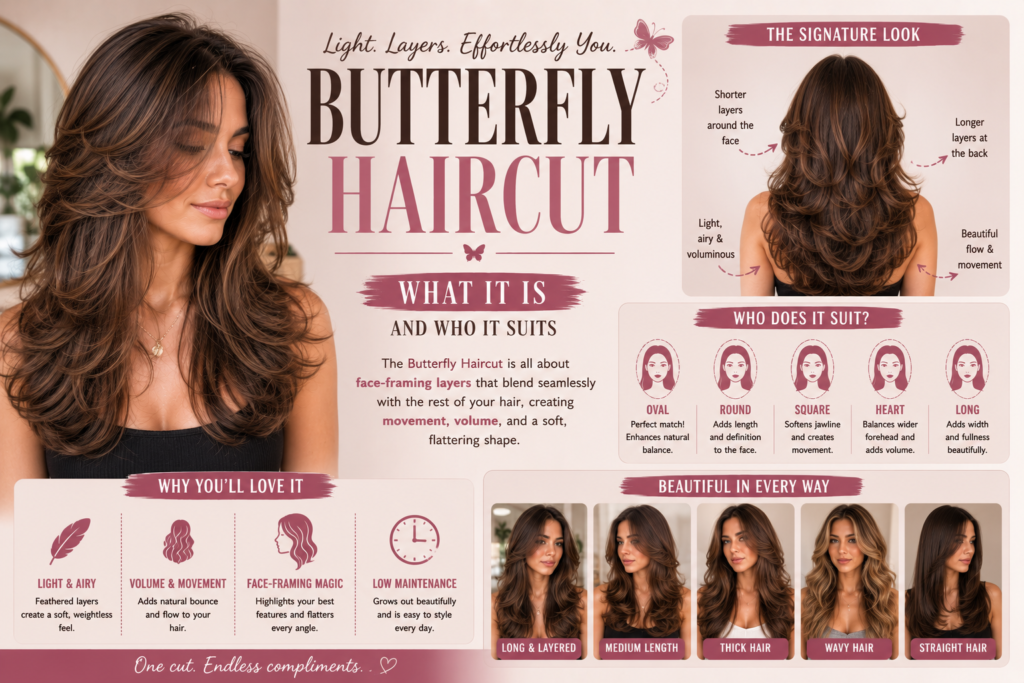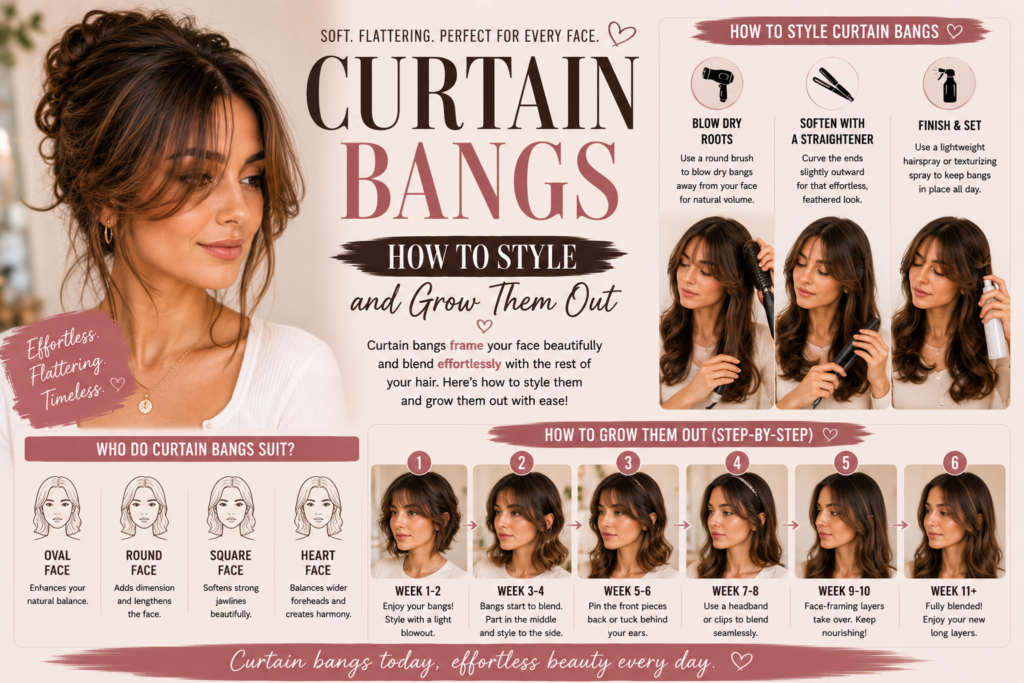
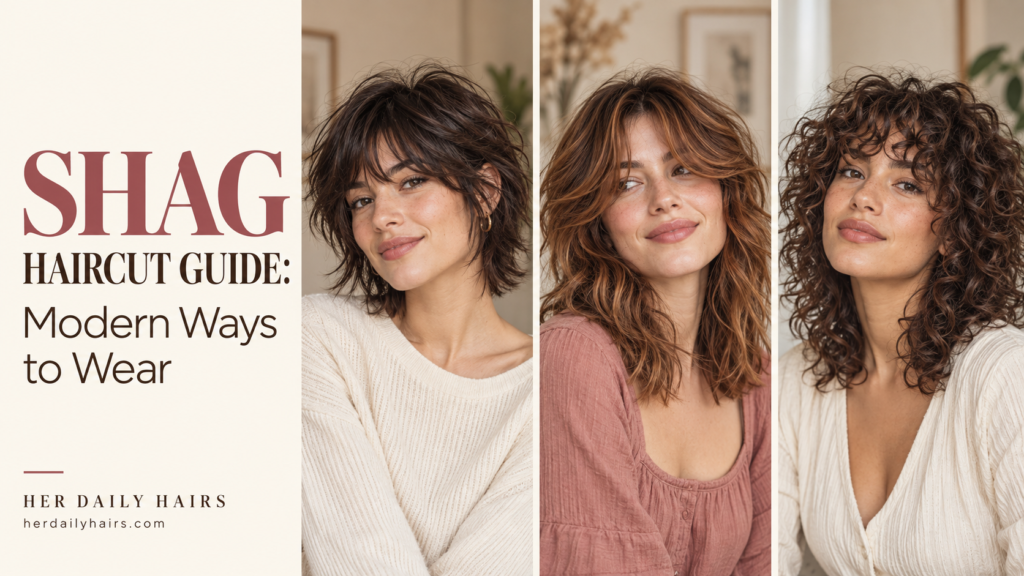
Few haircuts have proven as consistently reinventable as the shag. Every few years it resurfaces with a fresh update, and no exception — the shag haircut update leans into softer, more wearable layering while still keeping the choppy, textured spirit that’s made this cut a repeat favorite for decades.
This guide breaks down what makes the modern shag cut different from earlier iterations, the specific variations trending this year, who the style tends to flatter, and how to talk to your stylist about getting it right.
What Makes a Shag “Modern”?
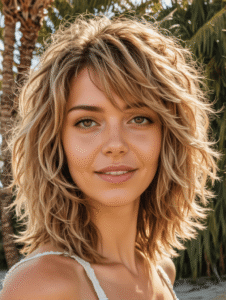
While the classic shag — heavy, choppy layers throughout with a shorter crown and longer sides — has remained largely recognizable since its 1970s origins, this year’s version reflects a few notable shifts:
- Softer, more blended layering rather than extremely choppy, disconnected pieces
- Longer, curtain-style bangs replacing the fuller, more structured fringe of earlier decades
- More versatility across lengths, with modern shags appearing on everything from pixie-length cuts to hair well past the shoulders
- A slightly more polished finish, often styled with soft waves rather than the more undone, rock-and-roll texture associated with earlier shag eras
Key Shag Variations Trending
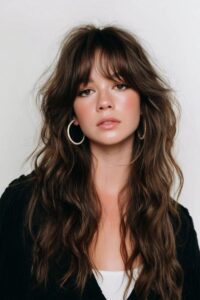
1. Long Shag with Curtain Bangs
This remains one of the most requested versions, combining long, feathered layers with soft, face-framing bangs for a look that balances edge with everyday wearability.
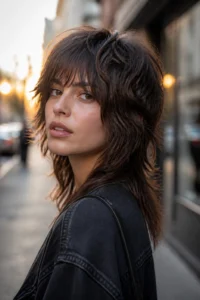
2. Wolf-Shag Hybrid
Blending the shag’s classic choppiness with the wolf cut’s dramatic crown volume, this variation leans into maximum texture and movement for those wanting the boldest possible layered look.
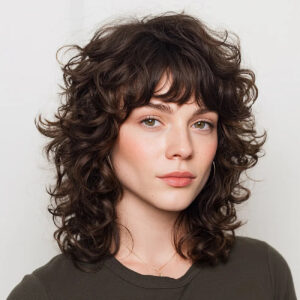
3. Curly Shag
Natural curls pair beautifully with the shag’s built-in layering, since curl pattern enhances the volume and movement the cut is designed around without requiring additional styling effort.
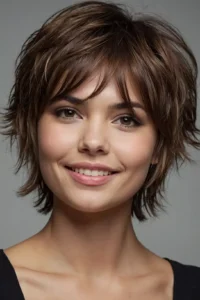
4. Pixie Shag
A shorter take on the trend, concentrating heavy layering and texture into a compact shape that offers all the movement of a shag with significantly less length to maintain.
5. Mullet Shag
Combining the shag’s overall layering with a slightly longer back section reminiscent of a mullet, this variation offers a bolder, more dramatic length contrast than a traditional shag.
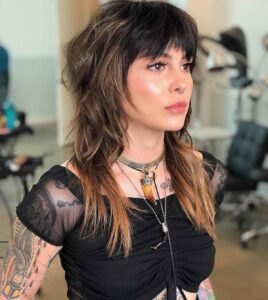
6. Soft, Blended Shag
For those wanting the shag’s texture without the sharper, choppier edges of earlier versions, this softer take uses more blended layering for a smoother, more everyday-wearable finish.
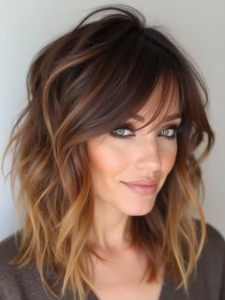
Who Does a Shag Haircut Suit?
Hair Type and Texture
Shags tend to work particularly well on hair with some natural texture or wave, since the cut relies on movement to achieve its signature look. Straight hair works too, but often benefits from some added texture through styling to fully embrace the cut’s shape.
Hair Length
One of the shag’s biggest advantages is its adaptability across nearly any length, from a short pixie shag to a long, flowing version — making it one of the more flexible trending cuts available this year.
Face Shape
Because shags typically include face-framing layers and bangs, they tend to work across a range of face shapes, with the specific layering placement adjustable to add width near the jaw or length near the crown depending on individual needs.
How to Ask Your Stylist for a Modern Shag
- Specify how choppy or blended you want the layering. Shag trends lean softer than earlier iterations, being clear about how much texture and separation you want helps your stylist choose the right cutting technique.
- Discuss bangs. Curtain bangs are a popular pairing this year, but the shag works well without a fringe too — let your stylist know your preference upfront.
- Bring reference photos of the specific variation you want. Since “shag” covers such a wide range of looks, from soft and blended to choppy and dramatic, visual references help avoid miscommunication.
- Talk about your styling routine. Some shag variations require more daily styling effort (particularly choppier, more textured versions) than others, so being upfront about your preferred maintenance level helps guide the cutting approach.
Styling Tips for a Modern Shag
- Use a texturizing spray or salt spray to enhance the piece-y, lived-in quality central to the shag’s aesthetic.
- Curl pieces randomly, not uniformly, for a more natural, undone finish rather than overly polished curls throughout.
- Focus volume at the crown with a root-lifting product to maintain the lift that gives the shag its signature shape.
- Air dry with a light styling cream for the softer, more blended iterations of the cut, saving heavier styling tools for days you want more definition.
Products That Help Maintain a Modern Shag
A few product categories are especially useful for keeping this cut looking its best day to day:
- A texturizing paste or spray, applied to the ends, enhances the piece-y definition that’s central to the shag’s signature look, regardless of which variation you choose.
- A lightweight volumizing mousse, used at the roots, helps maintain crown lift without weighing down the overall layering.
- A flexible-hold hairspray sets the style without making it feel stiff, preserving the shag’s naturally undone, lived-in quality.
- A heat protectant is essential if you regularly curl or style the layers with hot tools, since the fine, textured ends typical of this cut can be more prone to damage.
Maintaining a Shag Haircut
Regular trims every 6-8 weeks help maintain the shag’s layered shape, since the cut relies on distinct layering that can blend together and lose definition as hair grows out. Discuss with your stylist how much length you’re comfortable losing at each appointment to preserve the cut’s texture over time.
Which Face Shapes Suit a Shag Best?
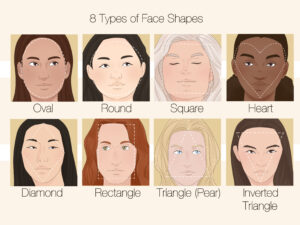
The shag’s adjustable layering placement makes it a fairly adaptable cut, but a few general pairings are worth noting:
- Round and square faces often benefit from the height and layering a shag naturally provides, since crown volume and face-framing pieces help create the illusion of length and added definition.
- Oval faces can wear nearly any shag variation without much adjustment, thanks to their naturally balanced proportions.
- Heart-shaped faces may want to discuss keeping a bit more length and fullness near the jaw when getting this cut, since face-framing layers can be customized to add balance rather than concentrating volume solely at the crown.
Shag vs. Other Trending Layered Cuts
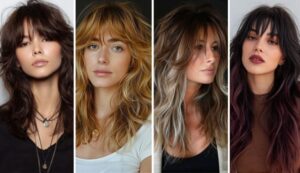
- Vs. the wolf cut: The wolf cut typically emphasizes more dramatic crown volume and a mullet-inspired shape, while a traditional shag distributes its choppiness more evenly throughout the length.
- Vs. the cowgirl cut: The cowgirl cut leans softer and more polished, with feathered rather than choppy layers, while the shag maintains more textured, piece-y movement throughout.
- Vs. the jellyfish cut: The jellyfish haircut creates a dramatic contrast between one long, mostly untouched layer and a much shorter under-layer, while the shag blends heavy layering more evenly across the entire head.
Hair Color Pairings That Enhance a Shag
Since the shag relies so heavily on visible texture and layering, certain color techniques can enhance the cut’s dimension even further:
- Balayage or babylights add natural-looking dimension that catches the light differently across each layer, making the cut’s movement even more apparent.
- A dimensional brunette or bronde base complements the softer, more blended shag variations particularly well, since the subtle color shift echoes the cut’s gentler layering.
- Face-framing highlights draw extra attention to curtain bangs or shorter face-framing pieces, a popular pairing for this year’s shag trends.
- All-over vivid or fashion colors can make choppier, more dramatic shag variations read even more boldly, since the color shift is visible at every layer transition.
Frequently Asked Questions About the Shag Haircut
Is the shag different from previous years? Yes — this year’s version leans toward softer, more blended layering and longer curtain-style bangs, compared to the choppier, more disconnected layering popular in earlier iterations of the trend.
Does a shag work on fine hair? Yes — the heavy layering built into a shag can actually enhance the appearance of volume and movement for fine hair, making it a popular recommendation for anyone wanting the illusion of more thickness.
How much length do I lose getting a shag? This varies depending on your starting length and how dramatic you want the layering to be, but shags can generally be customized to preserve significant length while still incorporating the layering the cut is known for.
Can I get a shag without bangs? Yes — while curtain bangs are a popular pairing this year, the shag’s core layering and texture can be achieved without any fringe at all.
How is a shag different from a wolf cut? Both share heavy layering, but the wolf cut typically incorporates more dramatic crown volume and a slightly more concentrated, mullet-inspired shape, while the shag distributes its choppiness more evenly throughout the entire head.
Is the modern shag a good choice for thick, coarse hair? Yes — thick, coarse hair can actually make the shag’s layering look especially full and dimensional, though it’s worth asking your stylist to thin out some of the bulk through the layering process so the cut doesn’t feel too heavy overall.
Can I transition from a shag back to a one-length cut easily? Growing out a shag’s heavy layering does require some patience, since the shorter layers need time to catch up with the rest of your length. Regular trims to gradually blend the layers, rather than letting them grow out completely untouched, generally makes the transition smoother and less awkward-looking in the interim.
Final Thoughts
The shag’s staying power comes down to its remarkable adaptability — whether you want the softer, more blended update or a bolder wolf-shag hybrid, this cut continues to reinvent itself while keeping its signature textured, layered spirit intact. Whichever variation you choose, it remains one of the most reliably flattering trending cuts available this year.
Loved this guide? Save it to Pinterest so you have it ready for your next haircut consultation.
Looking for more trending cuts? Check out our guides on Wolf Cut: Styling Ideas for Every Hair Length and Cowgirl Cut: The Layered Trend Taking Over for more of this year’s most talked-about layered cuts.